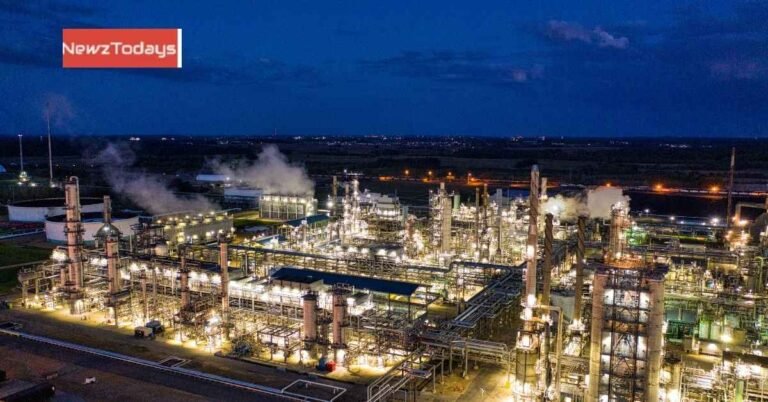



Pakistan Oilfields profit falls 17% in 2QFY26
Pakistan Oilfields Ltd posted Rs6.3bn quarterly profit, down 17% year-on-year, as exploration spending surged, while half-year earnings rose 16% supported by higher volumes and lower tax rate.
Pakistan Oilfields Ltd (POL) on Tuesday reported a profit of Rs6.3bn for the second quarter of FY26, down 17% from a year earlier but up 16% quarter-on-quarter, according to its filing with the Pakistan Stock Exchange (PSX).
Earnings per share stood at Rs22.16 for the quarter, taking first-half FY26 earnings to Rs41.29 per share, up 16% from the same period last year.
Read More: OGDC Boosts Reko Diq Investment by $25M
The result came in above market expectations, mainly due to stronger other income and a lower effective tax rate. The company’s effective tax rate fell to 26% in 2QFY26, compared with 37% in 2QFY25 and 33% in the preceding quarter. Analysts attributed the lower tax charge to adjustments in deferred taxation and income mix.
Net sales clocked in at Rs14.5bn, edging down 2% year-on-year but rising 11% from the previous quarter. The quarterly improvement was driven by higher oil and gas production volumes, reflecting stable output from key fields and improved operational uptime.
Pakistan’s upstream oil and gas sector has remained under pressure from declining indigenous reserves and circular debt constraints. According to the Pakistan Energy Yearbook 2024, the country’s crude oil production averaged around 64,000 barrels per day during FY24, while natural gas output continued its gradual decline due to maturing fields. The government has pushed exploration activity to offset depletion and reduce reliance on imported fuels, which strain foreign exchange reserves.
POL’s exploration costs surged nearly threefold year-on-year and 81% quarter-on-quarter to Rs2.0bn in 2QFY26. The increase stemmed from intensified seismic acquisition activities at Pariwali Development and Production (D&P) and Ikhlas Exploration Licence (EL) blocks. The higher outlay signals renewed drilling momentum amid government incentives aimed at boosting domestic hydrocarbon discovery.
Royalty expense rose to Rs1.7bn, up 2% from a year earlier and 14% from the prior quarter. Royalty charges as a percentage of sales increased to 12%, compared with 11% in the same quarter last year and the preceding quarter. The rise tracked higher net sales during the period, as royalties are directly linked to revenue from crude and gas output.
Operating expenditures stood at Rs3.3bn in 2QFY26, up 9% quarter-on-quarter, reflecting increased production volumes and associated field costs. Despite higher operating and exploration expenses, POL maintained healthy margins due to disciplined cost management and steady realized prices.
Other income amounted to Rs2.2bn in the quarter, down 51% year-on-year. The decline was largely due to lower returns on marketable securities amid falling interest rates. The State Bank of Pakistan cut its policy rate multiple times over the past year as inflation eased from its 2023 peak, compressing yields on fixed-income instruments. On a quarterly basis, however, other income rose 22%, possibly due to reduced exchange losses during the period.
The company declared a cash dividend of Rs27.50 per share for the quarter, translating into a half-year payout ratio of 67%, compared with 70% in the same period last year. POL has historically maintained a generous payout policy, supported by strong cash flows and minimal leverage. The company remains one of the largest exploration and production firms listed on the PSX, with diversified working interests across several onshore blocks.
At current market levels, POL is trading at a forward price-to-earnings multiple of 6.8 times FY26 estimates and 5.5 times FY27 forecasts, according to brokerage projections. Analysts maintain a positive stance on the stock, citing strong dividend yields and potential upside from new discoveries.