


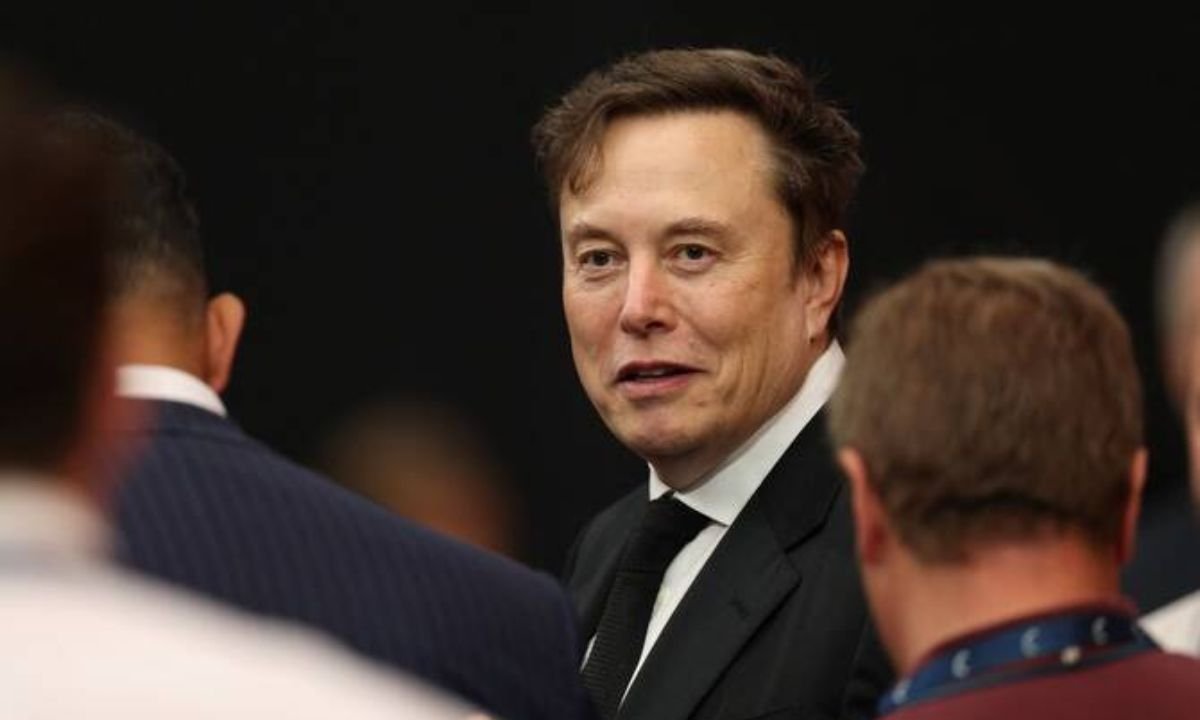
Elon Musk Sent Ominous Texts During OpenAI Settlement Talks
In a recent development related to the ongoing legal battle between Elon Musk and OpenAI, new claims surfaced revealing that Musk sent ominous text messages to OpenAI’s president and co-founder Greg Brockman, as well as CEO Sam Altman. This exchange occurred shortly before the trial began, and was disclosed in a legal filing by OpenAI’s lawyers on May 4, 2026.
According to OpenAI’s submission, Musk proposed a settlement to Brockman two days prior to the trial. Brockman responded by suggesting both parties drop their lawsuits. The communication quickly escalated after Musk sent a threatening message stating, “By the end of this week, you and Sam will be the most hated men in America. If you insist, so it will be.”
The legal filing did not include the full texts but aimed to have the exchange admitted as evidence in court. However, the presiding judge ruled the messages inadmissible. Despite this, the texts have drawn significant attention from observers analyzing the motives behind Musk’s lawsuit.
Musk’s lawsuit seeks several remedies against OpenAI, including undoing its for-profit corporate structure, making its AI technology publicly accessible, voiding Microsoft’s licensing agreement with OpenAI, and demanding financial compensation in the form of general, compensatory, and punitive damages, as well as legal fees. OpenAI, on the other hand, has alleged that Musk’s primary intent is financial gain and a strategic move to undermine a competitor rather than genuine concerns over AI safety.
Read More: Elon Musk Launches Grokipedia to Rival Wikipedia
The trial between Elon Musk and OpenAI remains ongoing, with both sides presenting their cases amid widespread public and media interest. This legal conflict highlights the complex intersection of AI development, corporate governance, and intellectual property rights in the rapidly evolving tech landscape.
OpenAI continues its operations under a unique capped-profit structure, emphasizing ethical considerations and widespread AI accessibility, while the outcome of this trial may have lasting implications for technology companies and AI innovation across the globe.