


If you’re searching for “SNGPL bill check by city,” you’re probably trying to answer one of two questions: does the online bill-check process actually differ depending on where you live, or you’re specifically looking for your city’s page to confirm you’re using the right tool. Here’s the direct answer before anything else: the consumer number and the bill-check process are identical across every city SNGPL serves. What genuinely differs by city is everything around the bill — regional load-shedding timing, which SNGPL circle handles your area, and how the tariff mechanics play out locally based on climate. That’s what this page actually breaks down.
Check Out: SNGPL Online Bill Check| Download Bill
SNGPL consumer number
enter exactly as printed on your bill, no spaces or dashes
ℹ️ found on the top-right of any previous bill
Does SNGPL Bill Check By City Work Same Way in Every City?
Yes. Whether you’re in Lahore or Muzaffarabad, you use the same 11 or 14-digit consumer number in the same bill-check tool, and the same charge categories — Gas Charges, Fixed Charges, GST, FPA, Arrears — apply everywhere. SNGPL runs one national billing system, not separate city-level portals.
What isn’t uniform:
- Which SNGPL region/circle administers your connection (this determines which office you’d deal with for a physical visit, meter test request, or new connection)
- Local winter load-shedding time-blocks, since colder cities see tighter gas-supply management in peak winter
- How fast a household crosses into Non-Protected tariff, since this is driven by actual consumption — colder cities with longer heating seasons cross the 0.9 HM³/month winter-average threshold more easily than warmer plains cities
SNGPL Coverage Area — Full City List
SNGPL’s distribution network covers Punjab, Khyber Pakhtunkhwa (KPK), Islamabad Capital Territory, and parts of Azad Jammu & Kashmir (AJK). Cities and towns within this network include:
Punjab: Lahore, Faisalabad, Rawalpindi, Multan, Gujranwala, Sialkot, Sargodha, and surrounding urban and rural areas
Khyber Pakhtunkhwa: Peshawar, Mardan, Kohat, Abbottabad, and other KPK towns with gas infrastructure
Islamabad Capital Territory: Islamabad and surrounding sectors
Azad Jammu & Kashmir: Muzaffarabad and select connected areas
If your city isn’t in this list, or you’re in Karachi, Hyderabad, Quetta, or elsewhere in Sindh or Balochistan, your gas utility is SSGC, not SNGPL — a completely separate company with its own billing portal. No consumer number from an SNGPL bill will work on the SSGC system, and vice versa.
City-by-City Bill Check Notes
Lahore
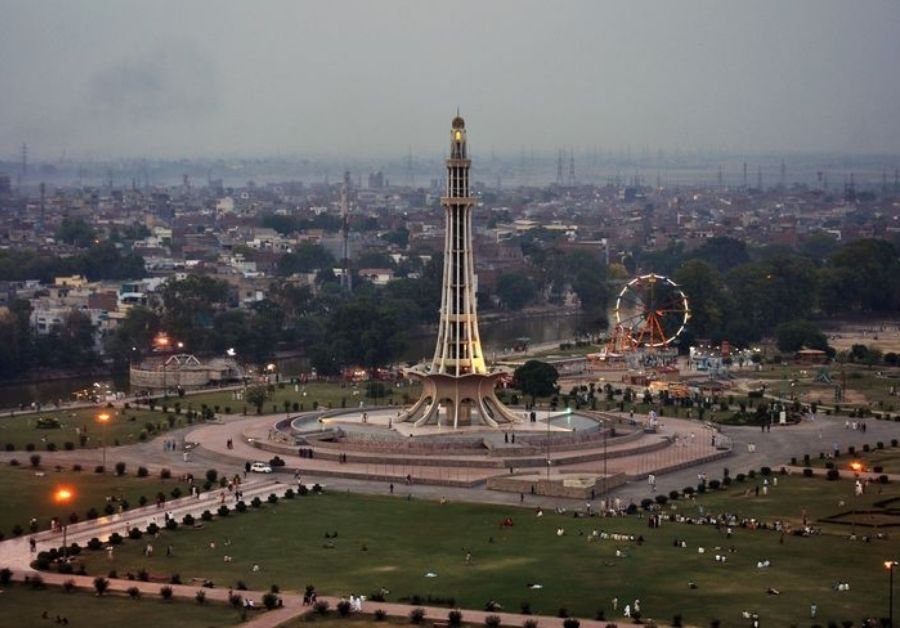
Lahore carries the largest single consumer base in SNGPL’s entire network. Every domestic, commercial, and industrial connection here runs through the standard national billing system — nothing city-specific changes in how you check or pay your bill. Given the density of connections here, delayed or estimated meter readings tend to surface as a slightly more common complaint simply due to volume, so it’s worth checking your bill for the word “Estimated” next to the meter reading before assuming a rate change caused a jump.
Islamabad
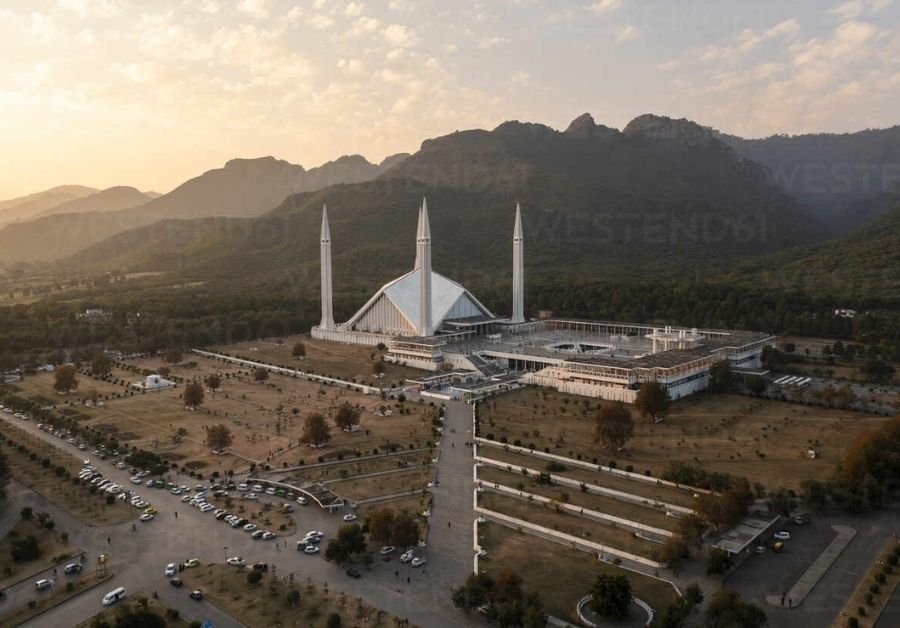
Islamabad and Rawalpindi sit on the same regional distribution system, and are frequently treated as a single service area for gas supply planning. The bill-check process is identical to the rest of the network — consumer number in, bill out.
Rawalpindi
As one half of the twin-cities gas network with Islamabad, Rawalpindi consumers use the same consumer-number format and payment options as everywhere else. Given Rawalpindi and Islamabad’s higher-altitude winter climate compared to central and southern Punjab, households here are somewhat more likely to see a winter-average consumption high enough to trigger Non-Protected reclassification — worth watching if your household runs a geyser through the coldest months.
Faisalabad
Faisalabad carries a substantial industrial consumer base alongside domestic connections, but the online bill-check tool and consumer-number format are unchanged from any other SNGPL city.
Multan
A major Punjab urban centre fully integrated into SNGPL’s standard billing system — same tool, same consumer-number format, no regional variation in the check-bill process itself.
Peshawar
Peshawar is the primary KPK distribution point. KPK consumer numbers are sometimes reported to carry region-specific formatting conventions, though the core 11/14-digit structure and lookup process remain the same as Punjab. If your bill doesn’t load, the troubleshooting steps are identical regardless of region — recheck every digit before assuming a system fault.
Gujranwala, Sialkot, Sargodha
These Punjab cities run on the same national SNGPL system with no process differences. Consumers here follow the identical steps: consumer number, bill-check tool, payment via app, bank, or wallet.
Mardan, Kohat, Abbottabad
Smaller KPK towns under SNGPL’s network follow the same billing process as Peshawar. Given the colder winter climate in areas like Abbottabad specifically, households here are worth flagging as more exposed to winter-driven Non-Protected reclassification than lowland Punjab cities.
Muzaffarabad (AJK)
AJK connections run through the same SNGPL system as Punjab and KPK. The consumer number format and bill-check tool are unchanged; regional office administration is separate from mainland Punjab circles, which matters only if you need an in-person visit rather than an online check.
Why Winter Climate Matters More Than Which City You’re In
This is the detail almost no city-specific bill-check page anywhere covers, and it’s worth understanding regardless of where you live: SNGPL reclassifies domestic consumers from Protected to Non-Protected tariff status based on average consumption across November, December, January, and February. Cross a 0.9 HM³/month average across those four months, and you’re billed at Non-Protected rates — up to four times higher — for the entire following year.
Cities with longer, colder winters (Rawalpindi, Islamabad, Peshawar, Abbottabad, Mardan) naturally push households closer to that threshold through longer geyser and heater use. Cities with shorter, milder winters (Multan, Faisalabad, parts of southern Punjab) see it less often. This isn’t a city-specific billing rule — it’s the same formula everywhere — but the climate of your city is what actually determines how likely you are to be affected by it. Knowing this ahead of winter, rather than discovering it on an April bill, is the single most useful thing you can do to manage your annual gas cost.
Winter Load Shedding: What Changes by Region
SNGPL manages winter supply shortfalls through scheduled load shedding rather than uncontrolled outages, following a fixed priority order: domestic households → power generation and CNG stations → commercial users → fertilizer plants → cement plants. Domestic consumers are prioritized above nearly every other sector.
In practice, this typically means gas to homes is supplied in three daily time blocks during peak winter — roughly morning, midday, and evening — timed around cooking needs. During Ramadan, these blocks shift to align with Sehri and Iftar. The exact timing can vary by region and year depending on supply conditions and government directives for that season, which is why checking current local timings each winter is more reliable than relying on a fixed schedule from a previous year.
Which SNGPL Region Handles Your City
SNGPL’s operations are organized into regional circles for administrative and technical purposes — this is what determines which office would handle an in-person new-connection application, meter test request, or physical complaint if you ever need one, separate from the online bill-check process which is identical everywhere. If a physical visit becomes necessary, confirming your correct regional office in advance saves a wasted trip — SNGPL’s official site lists current regional office contact details under its company/offices section.
Frequently Asked Questions
Do I need a different tool to check my SNGPL bill depending on my city? No. One consumer number, one bill-check process, works identically across every city SNGPL serves — Lahore, Islamabad, Rawalpindi, Faisalabad, Multan, Peshawar, Gujranwala, Sialkot, Sargodha, and all other Punjab, KPK, and AJK areas.
Is my bill higher in winter because of where I live? Not directly — but colder cities push households toward longer heater/geyser use, which increases the odds of crossing the 0.9 HM³/month average that triggers Non-Protected tariff reclassification for the following year. It’s a consumption effect, not a location-based rate.
Which cities does SSGC cover instead of SNGPL? Karachi, Hyderabad, Quetta, and the rest of Sindh and Balochistan. If you’re in one of these, use SSGC’s portal — SNGPL’s consumer number and bill-check tool won’t retrieve your bill.
Does the gas load-shedding schedule differ by city? The overall national priority order (domestic first, then power/CNG, commercial, fertilizer, cement) is consistent, but the specific daily time-block hours can vary by region and year depending on supply conditions — check current local timings each winter rather than assuming last year’s schedule still applies.
Do consumer numbers look different in different cities? The 11-digit (older connections) and 14-digit (newer connections) formats apply nationally. KPK numbers are sometimes reported with region-specific formatting conventions, but the lookup process in the bill-check tool is identical regardless.
My city isn’t listed here — does that mean SNGPL doesn’t serve it? Not necessarily. SNGPL’s network extends to many smaller towns beyond the major cities listed here across Punjab, KPK, and AJK. If gas service in your area comes from SNGPL rather than SSGC, the same consumer number and bill-check process applies.
This is an independent, unaffiliated guide covering SNGPL’s service areas. For official regional office addresses, current load-shedding schedules, and tariff notifications, always confirm directly through sngpl.com.pk or the SNGPL ConnectOn app.