
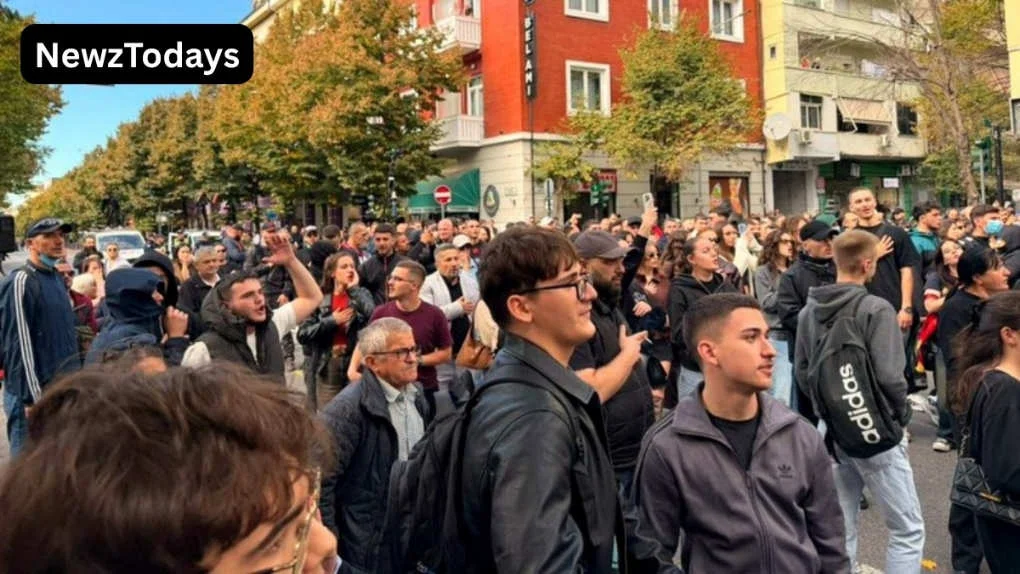
23 Arrested in Violent Student Protests in Albania
At least 23 individuals were taken into custody amid clashes during student protests in Tirana, Albania’s capital, on Tuesday. The demonstrators targeted the Ministry of Education, expressing their dissatisfaction with the country’s higher education system and broader socio-political issues.
Escalation of Protests Over Education and Inequality
Hundreds of students gathered to demand improvements in university conditions, reductions in tuition fees, enhanced financial aid, and better employment opportunities for graduates. The protest soon turned violent as participants hurled stones and concrete blocks, damaging the Education Ministry’s fence and windows. In response, law enforcement deployed tear gas and water cannons to disperse the crowd. During these confrontations, six police officers and a journalist sustained injuries.
Political Underpinnings and Wider Discontent
The protests are not isolated to education grievances but are part of the broader Flamingo Revolution movement, which challenges government policies and demands the resignation of Prime Minister Edi Rama. Originally sparked by opposition to a luxury tourism project, the movement now addresses allegations of corruption, political influence, and a lack of governmental accountability. Protesters voiced concerns about increasing social inequalities and ineffective political leadership, with one activist, Luljeta Kola, highlighting the growing divide between the wealthy and the poor in Albania.
Deputy Prime Minister Albana Koçiu condemned the violent tactics, emphasizing that attacks on public institutions and officials undermine the legitimacy of the students’ demands.
Implications for Pakistan and Its Youth
This development in Albania signals a wider trend where young populations in various countries are taking a more active stance against systemic social and economic challenges. For Pakistan, a nation with its own youth demographic grappling with education and employment issues, the situation highlights the importance of responsive governance and inclusive policies to avoid similar unrest. Ensuring investment in higher education and creating pathways for youth employment remain critical to social stability and progress in Pakistan.


