Global Energy Import Dependency to Peak by 2034, Rystad Finds
Dependence on imported energy worldwide is expected to reach its highest point by 2034, according to Rystad Energy’s latest annual report, Global Energy Scenarios 2026. The report projects that following this peak, the global reliance on external energy sources will gradually decline, with import dependence among importing nations falling from around 40% today to just 26% by 2050.
Shift Towards Electrification and Energy Security
The analysis attributes this anticipated peak and subsequent decline largely to growing concerns over energy security, which have bolstered investments in electrification and diversification of energy supply. Since early 2023, nearly 100 countries have implemented measures to shield their consumers from sharp disruptions caused by geopolitical events, such as conflicts affecting the Strait of Hormuz, a vital energy transit corridor.
Simultaneously, 26 nations have introduced policies encouraging greater use of electricity over traditional fossil fuels. This transition is reflected in the forecasted increase of electricity’s share in useful energy consumption, from 28% today up to 41% by mid-century.
China’s Growing Influence in Clean Energy Technologies
The report highlights China’s expanding dominance in key clean technology sectors, noting its significant share of the global market in electric vehicle batteries (78%) and solar wafer manufacturing (96%). As Gulf oil supply vulnerabilities persist, China’s technologies increasingly fill this gap, accentuating importers’ dependence but also accelerating the global shift to cleaner energy sources.
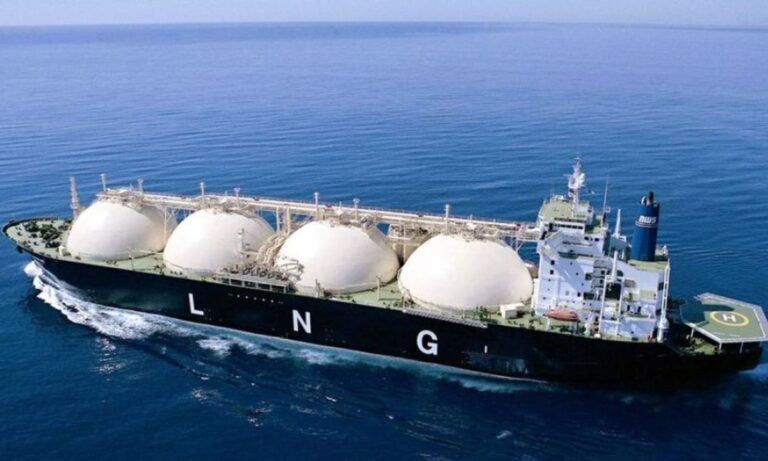
In the wake of recent energy supply shocks caused by the Russia-Ukraine conflict and US-Israel tensions with Iran, infrastructure adjustments have enhanced system resilience. For example, Europe’s gas imports from Russia plummeted from 36% in 2021 to about 7.5% by 2025, while liquefied natural gas shipments from the US surged. However, intense competition between Europe and Asia for LNG supplies raises concerns over winter stock shortages and supply constraints.
Implications for Pakistan and Energy Security
For Pakistan, this global trend has significant implications. As an energy-importing country vulnerable to geopolitical and supply chain risks, Pakistan could benefit from accelerating its electrification policies and diversifying its energy mix towards domestically available renewable sources. The rising costs of fossil fuels, highlighted by record-high diesel prices caused by supply disruptions, also underline the urgency for Pakistan to enhance its energy security and reduce import dependence.
Rystad Energy noted in the report, “The combination of energy crises in recent years points to the necessity of building more resilient and flexible energy systems worldwide,” underscoring that strategic transitions in energy sourcing and consumption are pivotal for future stability and affordability.