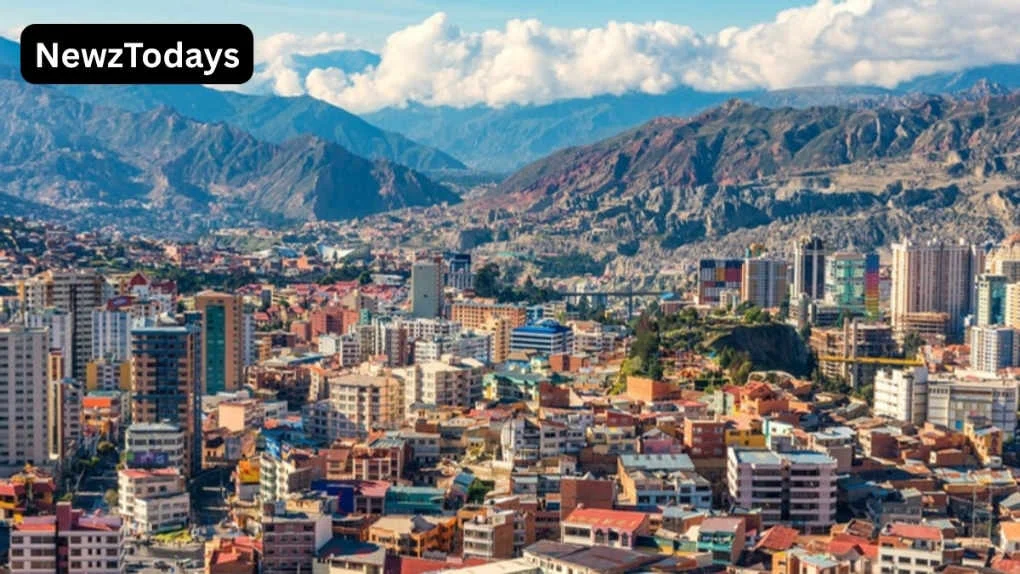
Bolivia Faces Deepening Energy Crisis Amid Gas Reserve Decline
Bolivia’s energy sector is undergoing a severe crisis as its natural gas reserves dwindle, exacerbating fuel shortages and economic instability. The South American nation, once buoyed by fossil fuel revenues, now struggles with reduced exports and increasing domestic energy demands.
Natural Gas Reserve Depletion and Economic Impact
Bolivia’s proven natural gas reserves have shrunk considerably, now estimated at about 3.7 trillion cubic feet as of April 2026. This decline has resulted in nearly a 60% reduction in gas exports over the past ten years. The country’s heavy dependence on natural gas—comprising approximately 70% of its electricity generation—has intensified the repercussions of this shortfall, leading to growing fuel shortages.
Economic consequences have followed, with inflation rising sharply and imported goods becoming increasingly expensive. Public sentiment has been further aggravated by subsidy cuts amid rising global energy prices, driven partly by geopolitical tensions such as the conflict in Iran. These factors combined have sparked widespread protests across Bolivia.
Historical Context and Policy Challenges
Bolivia’s energy woes are rooted in a series of government decisions spanning more than a decade. When Evo Morales took charge of the country’s fossil fuel industry in 2006, the government renegotiated contracts with international companies, gaining greater control and revenue. This influx of funds supported public programs, fuel subsidies, and a fixed exchange rate policy that initially helped reduce poverty. However, the government’s optimistic projections about the size of gas reserves created a misleading sense of security.
Despite the initial economic gains, the lack of sustained investment and exploration has left Bolivia’s gas industry underdeveloped. Attempts to diversify energy sources have been minimal, leaving the country ill-prepared to face the declining fossil fuel outputs. Experts like Luis Fernando Romero, former head of an economist association in southern Bolivia, have criticized the country for missing a historic opportunity to convert significant revenues into long-term stability.
Significance for Pakistan and Regional Energy Lessons
Bolivia’s predicament offers important insights for Pakistan and other energy-dependent nations. Reliance on a single energy source, especially without diversifying into renewables or expanding exploration efforts, can leave countries vulnerable to supply shocks and price volatility. Pakistan, facing its own challenges with natural gas shortages and energy imports, may find lessons in Bolivia’s experience to plan better for sustainable energy strategies.
Recent efforts by Bolivia to secure a $1.9 billion IMF bailout and undertake energy sector reforms underscore the urgency of addressing structural weaknesses in the economy. For Pakistan readers, this case highlights the broader risks of not proactively managing energy resources and the necessity of advancing renewable options alongside traditional fuels.
“We failed to take advantage of a historic opportunity that brought in immense revenue,” said Luis Fernando Romero, reflecting on Bolivia’s energy management shortcomings.