Dhruv Rathee Voices Vote Fraud Claims in London Protest
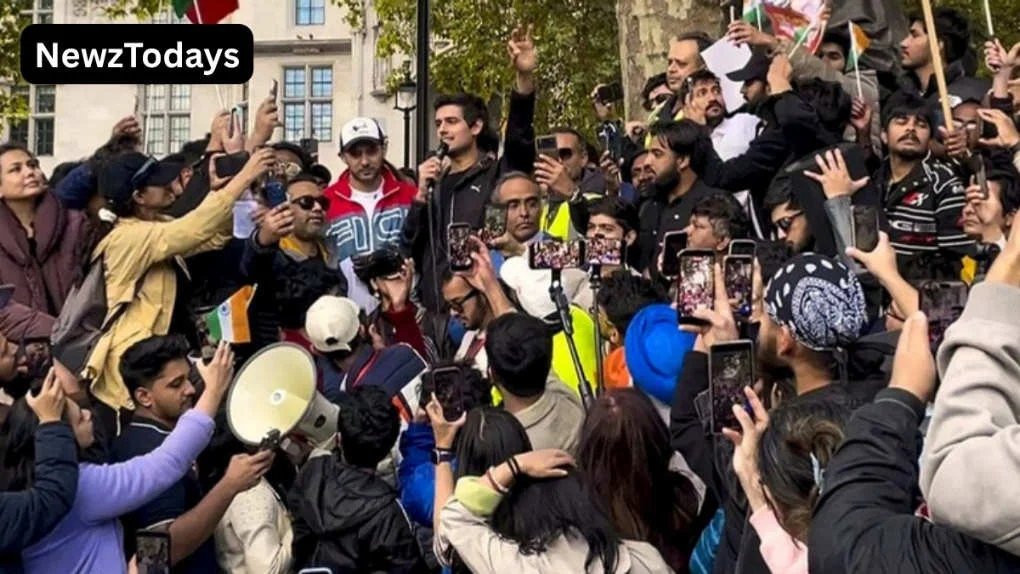
Prominent Indian YouTuber Dhruv Rathee led a demonstration in London highlighting alleged electoral manipulation in India. The protest was held at Parliament Square on October 17, 2026, drawing hundreds to oppose India’s Special Intensive Revision (SIR) of voter lists.
London Protest Demands Electoral Transparency
Organized by opposition-aligned groups and Indian student bodies in the UK, the gathering called for the resignation of India’s Chief Election Commissioner Gyanesh Kumar. The demonstrators, rallying around the statue of Mahatma Gandhi, raised slogans accusing the government of “vote theft” and urged for increased openness in the election process.
Dhruv Rathee, speaking predominantly in Hindi, appealed to both Indian residents and the diaspora to stay vigilant against what he described as compromised voting procedures. He emphasized the importance of public trust in democratic institutions and suggested that protests should continue until a new election commissioner acceptable to all parties is appointed.
Political Tensions Surface Among Diaspora Communities
The protest witnessed vocal criticism of Prime Minister Narendra Modi and his Bharatiya Janata Party (BJP), with flags symbolizing the Congress party, communist groups, and the Indian Workers Association prominently displayed. An opposing contingent, supporting Modi, also gathered nearby, leading to exchanges of chants and heightened tensions managed by London’s Metropolitan Police.
Some attendees used symbolic props, including a stuffed monkey toy connected to slogans mocking Modi, which caught attention on social media platforms. Nevertheless, there were concerns voiced by community leaders like Hirdesh Gupta of India Diaspora UK, who cautioned against fracturing the Indian diaspora by internationalizing India’s political disputes.
Why This Matters for Pakistan
The demonstration reflects the broader regional impact of India’s internal political developments. Pakistan, sharing deep historical ties with India, often observes such movements closely, especially those involving the Indian diaspora. The allegations of electoral fraud and political unrest abroad could influence diplomatic narratives and public opinion in Pakistan, given the intertwined histories and ongoing rivalry. Monitoring these protests provides insight into transnational political engagement and its potential ramifications on South Asian geopolitics.
Dhruv Rathee succinctly captured the protesters’ sentiment: “Electoral transparency and public confidence in democracy must be upheld,” underscoring the global resonance of India’s domestic electoral challenges.