Copper Prices Stay High as Aluminium War Premium Falls
The London Metal Exchange (LME) Week 2026 opened with a spotlight on the contrasting trajectories of key base metals, where copper maintains strong price levels while aluminium loses its war-driven premium. Industry experts and analysts gathered in London to address the implications of macroeconomic trends, geopolitical tensions, and supply chain challenges shaping the metals market.
Copper Market Remains Robust Amid Supply Concerns
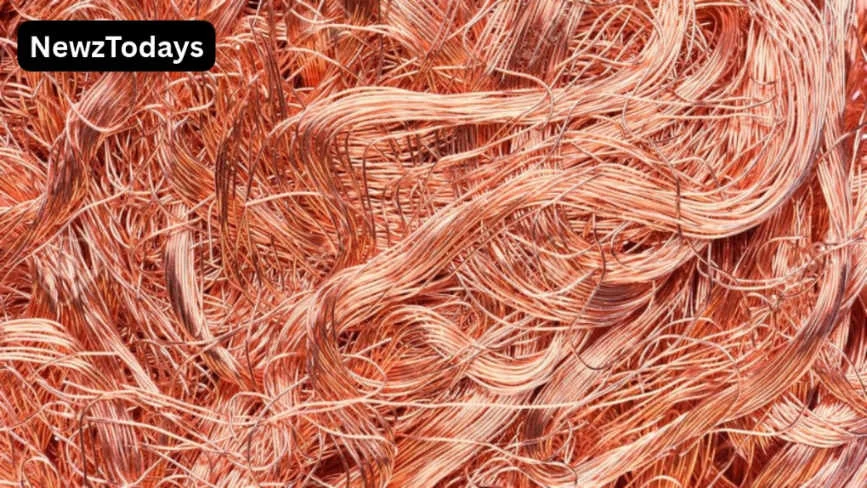
Standard Chartered commodity analysts presented forecasts pointing to sustained high prices for copper through 2026 and 2027. The average copper price is now predicted to reach $13,674 per ton this year, up from earlier estimates, with 2027 prices also revised upward to $13,210 per ton. Copper has experienced a 16% price increase year-to-date, supported by persistent supply disruptions and ongoing uncertainty around U.S. tariff policies.
Among the primary influences on copper prices is the unresolved status of refined copper import tariffs under the U.S. administration. Currently exempt, these imports face potential tariff imposition, which continues to inject uncertainty into the market. Besides tariffs, physical inventory imbalances and tightening supply chains have exacerbated price pressure, pushing copper spreads on the LME into backwardation for most of the year.
Aluminium Loses Its Elevated Pricing Advantage
In contrast to copper’s strength, aluminium’s price premium derived from the war-related supply disruptions has diminished. The easing of some geopolitical constraints and improved availability have lessened the metal’s price advantage, signalling a shift back toward more normalized market conditions for aluminium.
The discussions at LME Week also emphasized the broader macroeconomic factors influencing base metals, including movements in the U.S. dollar, Federal Reserve monetary policy, and China’s economic performance. These elements contribute to the volatility and price direction of industrial metals essential to global industries.
Why This Matters for Pakistan
Pakistan’s industrial sector relies heavily on commodities like copper and aluminium for manufacturing, construction, and infrastructure development. Copper’s sustained high prices may increase costs for industries such as electronics, electrical wiring, and transport equipment producers. Meanwhile, the normalization of aluminium prices could offer some respite in sectors like packaging, automotive, and construction materials.
Given Pakistan’s reliance on imports for many base metals, fluctuations in global prices directly impact the country’s trade balance and industrial competitiveness. Understanding these commodity trends is crucial for policymakers and businesses to navigate cost pressures and plan for future investments amid an uncertain global economic environment.
As stated by Alex Kimani, a finance and commodity expert, “Copper’s price resilience amidst geopolitical and economic uncertainties underscores the strategic importance of this metal in the energy transition and technological advancements.” This insight highlights the need for Pakistan to consider long-term strategies for securing critical minerals in a volatile market.
Related Stories
- Gold and Silver Prices Stabilize Amid Global Market Tensions
- Authors Demand UK Reverse Palestine Action Ban Amid Rooney Book Sale Halt
- Supreme Court Cancels Rs4.79 Billion Tax on Universal Service Fund
- MoU Signed to Enhance Digital Trade Skills of Horticulture Exporters
- bitcoin crosses $83k amid $45.7m short seller losses