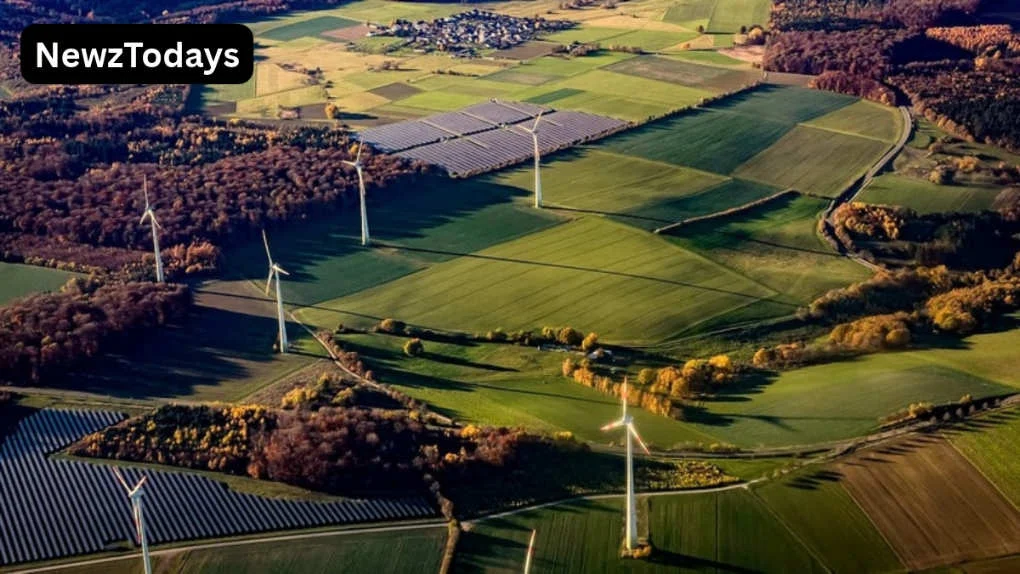
IEA Projects 4,800 GW Renewable Capacity by 2031
The International Energy Agency (IEA) has released a new forecast estimating a significant surge in global renewable energy capacity, predicting an additional 4,800 gigawatts (GW) by 2031. This increase marks a 57% rise compared to the growth seen in the previous six years, underscoring the rapid acceleration of renewable energy deployment worldwide.
Renewable Growth Driven by Energy Security Concerns
According to the IEA’s Renewables 2026 report, recent geopolitical tensions, including the ongoing Strait of Hormuz crisis and soaring fuel prices, have shifted the primary motivation for expanding renewable energy from environmental concerns to energy security. Countries are increasingly prioritizing renewables to reduce their reliance on unpredictable fossil fuel imports. IEA Executive Director Fatih Birol emphasized that energy security has now become the dominant factor encouraging renewable expansion globally.
Emerging Markets Narrow the Gap with Advanced Economies
For the first time, emerging and developing economies outside China are expected to add as much new clean energy capacity as advanced economies between 2026 and 2031. These countries had previously lagged in renewable deployment, expanding at about half the rate of advanced economies during 2020-2025. However, growing policy support, improved competitiveness of wind and solar technologies, and heightened energy security concerns have led to nearly a 20% increase in projected renewable growth for these nations compared to last year’s IEA report.
China’s dominance in renewable capacity growth is also expected to diminish slightly, with its share dropping from over 60% in 2025 to approximately 53% by 2031. Meanwhile, regions such as India, Southeast Asia, Africa, and the Middle East will make significant contributions to new renewable capacity additions.
Implications for Pakistan
This robust global expansion of renewable energy presents both challenges and opportunities for Pakistan. The country, facing its own energy security issues and economic constraints, stands to benefit from accelerating the integration of renewables into its energy mix. In light of the IEA’s findings, Pakistan could leverage policy incentives and regional collaborations to tap into abundant renewable resources, particularly solar and wind. Doing so would not only help reduce dependence on imported fuels but also align the country with global trends towards cleaner and more secure energy systems.
As international momentum builds behind renewables, Pakistan’s policymakers and investors will find increasing justification for prioritizing sustainable energy projects that enhance the nation’s energy independence and environmental sustainability.