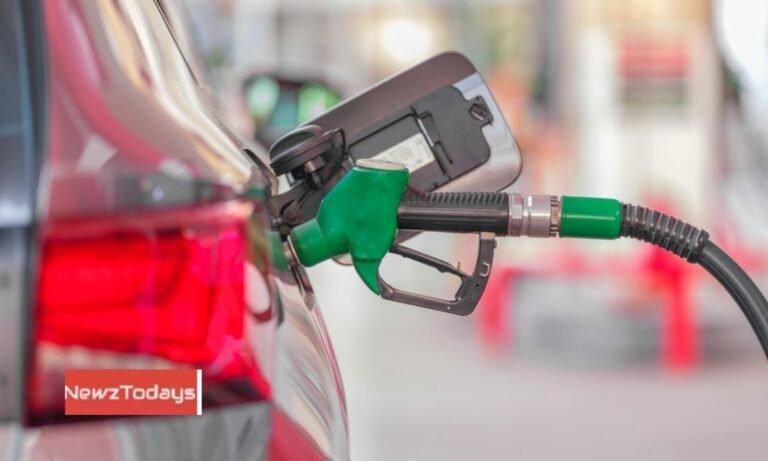
Wars Drive Push for Faster Global Electrification
Global conflicts in Ukraine and the Middle East are accelerating efforts toward increased electrification worldwide, as rising fossil fuel prices push consumers and governments to seek alternatives. Ahead of the upcoming COP31 climate summit, emphasis is growing on boosting electricity’s role within energy consumption, aiming to curb dependence on hydrocarbons and stimulate cleaner energy sources.
Electricity’s Growing Role Amid Energy Challenges
Despite a historic $2.3 trillion investment in clean energy in 2025, fossil fuels continue to supply over 80% of the world’s primary energy. The transition to electricity derived from renewable sources remains hampered by factors such as high costs, intermittency in renewables, battery limitations, and the need for critical minerals.
Where hydrocarbons represent about 65% of energy at the final consumption stage, increasing electricity’s share is seen as a vital efficiency move. This shift reduces overall primary energy demand without compromising societal needs. The preference for wind, solar, biomass, geothermal, hydro, and nuclear power aligns with global sustainability goals.
COP31 Focus: Accelerating Electrification
At the upcoming COP31 meeting, key negotiators like Australian climate minister Chris Bowen express hope for countries to pledge increased incorporation of electricity in their energy mixes. Bowen described electrification as a potential highlight outcome, emphasizing the need for a collective commitment to raise electricity’s share in final energy consumption — the actual energy used by end-users rather than raw fossil fuels.
Recent geopolitical tensions have also spurred the popularity of electric vehicles as an alternative to fluctuating fuel prices and have supported broader shifts from fossil fuels to electricity in power generation.
Why This Matters for Pakistan
Pakistan faces growing energy demands and volatility in fossil fuel markets due to geopolitical unrest. The global trend toward faster electrification underscores the need for Pakistan to enhance its renewable capacity and integrate efficient electrification strategies. Accelerating renewable-based electricity can help stabilize energy costs, reduce reliance on imported fuels, and support Pakistan’s climate goals amid changing global dynamics.