Iran Denies Nuclear Site Inspections Amid US Military Tensions
Iran has once again rejected requests for United Nations nuclear inspections, citing ongoing threats of military action by the United States. This stance was confirmed by Reza Najafi, Iran’s ambassador to international organizations in Vienna, who criticized demands for unrestricted access to Iranian nuclear sites while facing the prospect of military strikes.
Background on Iran’s Nuclear Inspection Dispute
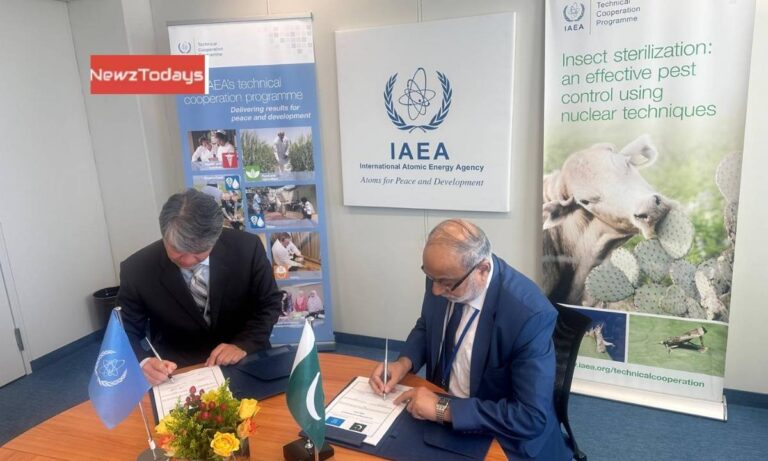
The International Atomic Energy Agency (IAEA) has reported a significant setback in verifying Iran’s nuclear activities. Earlier this month, IAEA Director General Rafael Mariano highlighted the agency’s failure to receive updates from Iran about its declared nuclear material and facilities, nor being granted on-site inspection access. The disruption in monitoring began after coordinated attacks on Iranian nuclear sites in June 2025, attributed to U.S. and Israeli forces.
Najafi linked the IAEA’s current lack of continuity in nuclear oversight directly to these military assaults, describing them as unlawful and unjustified. Iran has historically engaged in some verification efforts but has ceased cooperation since these incidents, emphasizing its position that it cannot be expected to comply under the shadow of military threats.
Why this Matters for Pakistan
Iran’s refusal to allow international inspections amid rising U.S. military pressure intensifies regional tensions that could have implications for Pakistan and neighboring countries. Stability in the Middle East is vital for global energy markets, as disruptions can impact oil and gas supplies, affecting prices and energy security worldwide, including in Pakistan.
Moreover, as Pakistan shares close diplomatic and economic ties with Iran, developments affecting Tehran’s relations with the West could influence geopolitical dynamics in South Asia. The standoff also highlights challenges in international nuclear diplomacy, raising questions about enforcement, inspection regimes, and the potential for conflicts in the volatile region.
According to Najafi, “We will not accept being bombed on the one hand while being asked in a tone of entitlement to provide detailed information about our materials and sites and grant unrestricted access to them.” This statement underscores the deep mistrust and ongoing confrontations that complicate efforts to achieve nuclear transparency and peace.