

Apple Foldable iPhone: Why Apple Rejected the Flip Design (Leak Explained)
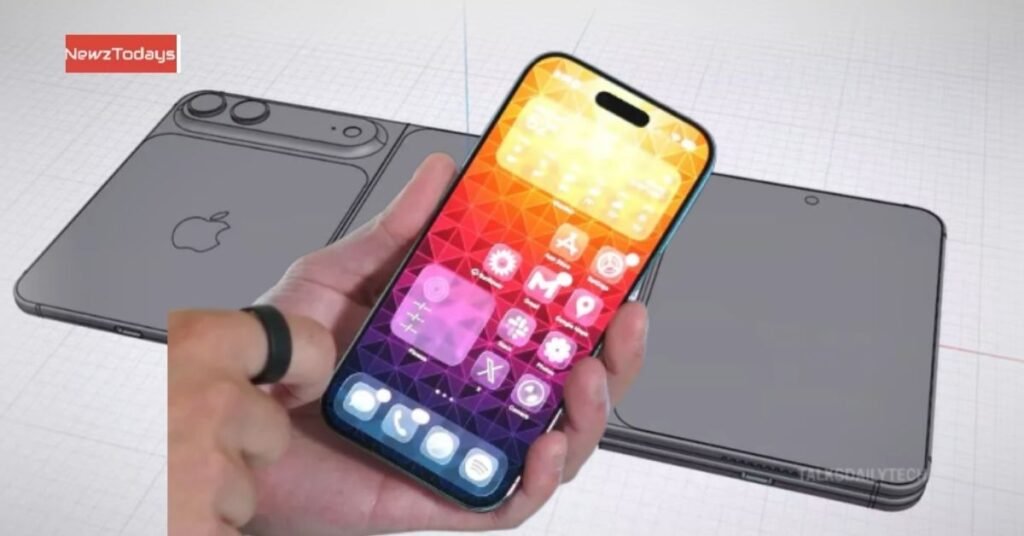
Apple’s long-rumored foldable iPhone is reportedly approaching launch, with multiple leaks suggesting the company is moving toward mass production. However, new information reveals that Apple initially explored a top-down flip design—similar to Samsung’s clamshell foldables—but ultimately rejected it.
According to leaks from Chinese tipster Instant Digital, Apple engineers felt the flip design did not create meaningful new use cases. Instead, the company pivoted to a book-style foldable device, which could function as both an iPhone and a tablet.
Read More: Apple plans iPhone Manufacturing in Pakistan: EDB CEO
Here’s a detailed breakdown of why Apple abandoned the flip design and what the final foldable iPhone might look like.
Key Takeaways (Quick Answers)
Why did Apple abandon the flip iPhone design?
Apple reportedly felt the flip design didn’t create new user experiences and mainly served to make the phone smaller.
What design will Apple’s first foldable iPhone use?
Leaks indicate Apple will launch a book-style foldable, opening like a book rather than folding vertically.
What problems did the flip design cause?
Internal space constraints, smaller battery capacity, and camera compromises made the design less appealing.
Is Apple still considering a flip-style iPhone?
Yes. Reports suggest Apple may revisit the flip concept for future models.
Apple’s First Foldable iPhone: A Book-Style Device
Instead of a clamshell phone, Apple’s upcoming foldable iPhone is expected to use a book-style folding design, similar to devices that expand into a larger tablet display.
This design could allow Apple to create a 2-in-1 device, combining:
- iPhone functionality when folded
- iPad-like experience when unfolded
- A larger multitasking display
For Apple, the goal appears to be more than novelty. The foldable device would expand productivity and media consumption rather than simply making the phone more compact.
Industry analysts say Apple tends to avoid releasing hardware unless it creates a clear new use case, which may explain the shift away from the flip concept.
Why Apple Rejected the Flip iPhone Design
According to Instant Digital, Apple engineers encountered several issues during development.
1. Limited New Use Cases
The flip design primarily offered portability, allowing the phone to fold into a smaller shape.
However, Apple reportedly felt that shrinking the device alone wasn’t enough innovation.
2. Internal Space Constraints
A clamshell fold divides the internal space into two small halves.
This makes it harder to fit key components such as:
- Large batteries
- Advanced camera modules
- Cooling systems
3. Battery and Camera Compromises
Leaks claim Apple had to sacrifice battery capacity and camera performance in early prototypes.
Since Apple prioritizes premium camera quality and battery life, these compromises likely made the design unacceptable.
4. Apple’s Hardware Philosophy
Apple typically focuses on devices that deliver new workflows and experiences, not just new shapes.
The company reportedly decided that a book-style foldable device better fits this philosophy.
How Foldable Phones Create New User Experiences
For foldable devices to succeed, they must provide clear advantages over traditional smartphones. Here’s how manufacturers design meaningful foldable experiences:
- Expand the Display
A foldable device should offer a larger screen for productivity, gaming, or video. - Enable Multitasking
Split-screen apps and multitasking features take advantage of the expanded display. - Optimize Software
The operating system must seamlessly transition between folded and unfolded modes. - Maintain Hardware Quality
Cameras, battery life, and performance must match flagship standards. - Deliver Portability
Even with larger displays, the device should remain easy to carry.
Apple’s book-style design reportedly aligns more closely with these principles.
Expert Insight: Why a Book-Style Foldable Makes More Sense
From a product strategy perspective, the book-style foldable provides a stronger long-term foundation.
Think of it as a mini iPad that fits in your pocket.
When folded, it behaves like a standard smartphone. When opened, it becomes a productivity device capable of:
- Running multiple apps side-by-side
- Offering larger editing or writing spaces
- Enhancing gaming and video viewing
This approach mirrors Apple’s broader ecosystem strategy, where devices like the iPhone, iPad, and Mac complement each other.
By merging phone and tablet experiences, Apple could create a new category between the two.
Common Questions About Apple’s Foldable iPhone
When will Apple release a foldable iPhone?
Leaks suggest Apple could launch its first foldable iPhone within the next year, though the company has not officially confirmed a date.
How large will the foldable display be?
Analysts expect a display roughly 7–8 inches when unfolded, similar to small tablets.
Will it replace the standard iPhone?
No. The foldable device will likely be a premium addition to Apple’s lineup, not a replacement.
Could Apple still release a flip iPhone later?
Yes. Reports suggest Apple is still exploring flip designs for future models.
Will foldable iPhones be expensive?
Early predictions place the price well above current iPhone Pro models, likely in the premium category.
Conclusion
Apple’s decision to abandon a flip-style foldable iPhone highlights the company’s focus on meaningful innovation rather than novelty. While clamshell designs emphasize portability, Apple appears more interested in creating a 2-in-1 phone-tablet experience through a book-style foldable device.
If the leaks are accurate, Apple’s first foldable iPhone could introduce a new way to use smartphones—blending the power of an iPhone with the versatility of an iPad.
However, the flip design may still return in future models as folding display technology continues to evolve.