Canada Doubles LNG Capacity to Meet Asia’s Growing Demand
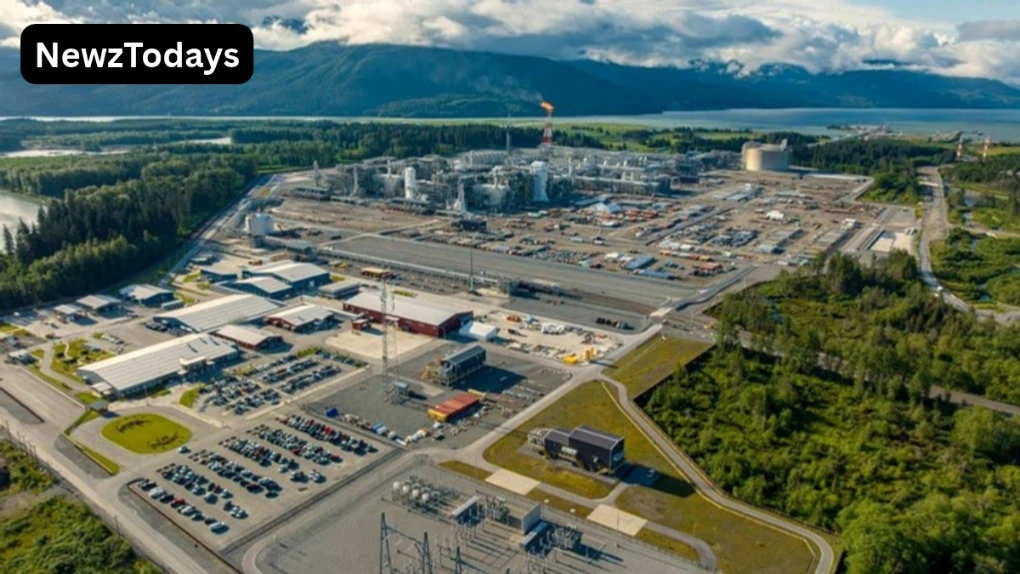
Canada is rapidly expanding its liquefied natural gas (LNG) export capacity to capture the rising demand from Asian markets. The country aims to reach 33 million tonnes per annum (mtpa) of LNG exports by 2030, driven by the final approval of the LNG Canada Phase 2 expansion alongside other projects such as Cedar LNG and Woodfibre under construction.
Canada’s Strategic LNG Position in Asia
Located on the Pacific coast, Canada enjoys shorter shipping routes to Asia compared to competitors. Liquefied natural gas shipments from the Kitimat terminal take 8 to 9 days to reach Tokyo, significantly less than the 16 to 18 days from the U.S. Gulf Coast. This geographic advantage allows Canadian LNG to avoid the congested Panama Canal and unstable Middle Eastern chokepoints, notably the Strait of Hormuz.
These logistical benefits, combined with vast natural gas reserves and lower-emission production projects, strengthen Canada’s position as a reliable and competitive LNG supplier for Asian buyers seeking cleaner and secure energy sources.
Expanding Capacity Amid Global Competition
The official green light for LNG Canada Phase 2, a collaboration including Shell, Malaysia’s PETRONAS, China’s PetroChina, Mitsubishi Corporation, and KOGAS, will double the export capability to 28 mtpa. When combined with the capacities from Cedar LNG and Woodfibre projects, Canada is expected to achieve a total LNG export volume of 33 mtpa by the decade’s end.
According to energy consultancy Wood Mackenzie, Asia’s LNG demand is projected to nearly double by 2060, reaching about 500 mtpa. Canada’s natural gas sector is well-positioned to serve this burgeoning market, but the window to secure investments and market share is narrowing as other global LNG projects, particularly in the U.S., advance rapidly.
Joshua Ngu, Vice Chairman for Asia Pacific at Wood Mackenzie, highlights Canada’s advantages: “Canada offers a unique combination of vast resources, Pacific Basin access, and short shipping distances that few LNG suppliers can match.” However, he cautions that the realization of this potential depends heavily on the execution and timely delivery of ongoing projects.
Implications for Pakistan and Regional Energy Dynamics
For Pakistan, which is actively seeking to diversify its energy imports and reduce reliance on Middle Eastern sources, the expansion of Canadian LNG capacity offers a promising alternative due to its shorter delivery times and lower geopolitical risks. As Pakistan navigates increasing energy demand and supply uncertainties, securing LNG from stable suppliers with competitive pricing could improve the country’s energy security and cost-efficiency.
Moreover, Canada’s emphasis on lower emissions aligns with global trends towards cleaner energy, providing an avenue for Pakistan to integrate more sustainable fuel options. In a region often affected by disruptions in traditional supply routes, the diversification enabled by Canadian LNG may help stabilize energy markets and foster regional cooperation.