

Cement sector profit led by LUCK in 2QFY26
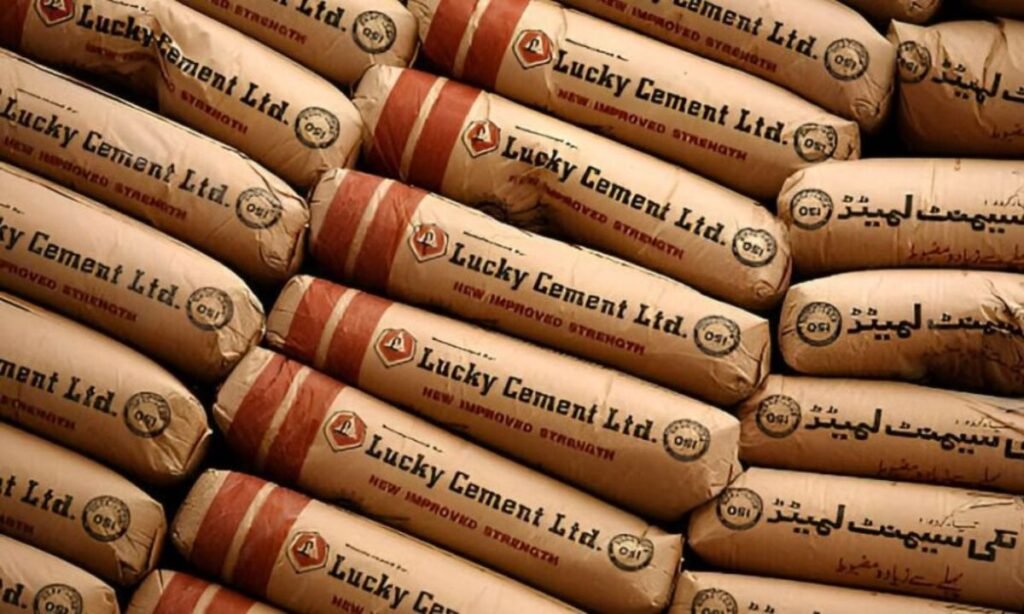
LUCK, BWCL and FCCL drove over half of cement sector earnings in 2QFY26, with Lucky Cement alone contributing 25% as lower finance costs and higher other income supported year-on-year growth despite weaker quarterly momentum.
Pakistan’s cement sector remained profitable in 2QFY26, led by Lucky Cement, Bestway Cement and Fauji Cement, which jointly accounted for 52% of total industry earnings during the quarter.
Read More: Cement Profits Rise 60% in 4QFY25
Lucky Cement emerged as the single largest contributor, representing 25% of the cement sector’s profitability in 2QFY26.
The company’s earnings rose 18% year-on-year, supported by a 36% decline in finance costs and a twofold increase in other income. Lower borrowing rates provided relief after the State Bank of Pakistan began easing its policy rate from the historic 22% peak seen in 2023 to support economic recovery.
On a quarter-on-quarter basis, however, Lucky Cement’s profitability fell 41%. The decline mainly reflected the absence of dividend income booked in the preceding quarter. Non-core income has remained a key swing factor for diversified cement producers with exposure to power and overseas operations.
Bestway Cement accounted for 16% of the cement sector’s total profitability in 2QFY26. The company posted earnings of Rs5.6bn, marking a 24% decline year-on-year.
The drop was primarily driven by a sharp 77% contraction in other income, underscoring the volatility of non-operational gains in the current interest rate cycle.Sequentially, Bestway Cement’s profitability edged up 2% quarter-on-quarter.
The modest increase reflected improved sales volumes and a higher share of profit from associates.
Industry data from the All Pakistan Cement Manufacturers Association shows domestic cement dispatches grew around 5% year-on-year in 2QFY26, supported by gradual recovery in private sector construction.Fauji Cement contributed 12% to total sector profitability during the quarter.
The company reported earnings of Rs4.0bn, largely flat compared with the same period last year. Margins were pressured by lower retention prices and elevated fuel costs, particularly coal, which remains a major input for local producers.
On a quarterly basis, Fauji Cement’s profitability increased 23%. The growth stemmed from higher net sales, driven by stronger domestic dispatches. Industry analysts note that local cement prices remained largely stable during the quarter, but competition intensified in key regional markets.Overall, every major listed cement company reported profits in 2QFY26, except Dewan Cement, which posted a loss of Rs215mn.
Smaller players have faced greater cost pressures and limited pricing power amid uneven demand recovery.In the first half of FY25, Lucky Cement, Bestway Cement and Fauji Cement collectively represented 57% of total cement sector profitability.
Their individual contributions stood at 32%, 15% and 10%, respectively. The concentration reflects scale advantages, diversified operations and stronger balance sheets compared with smaller competitors.
Pakistan’s cement industry has endured volatile demand in recent years. According to APCMA data, total cement dispatches declined in FY24 amid high inflation and reduced public development spending. The government’s Public Sector Development Programme allocation was trimmed during fiscal consolidation efforts linked to the International Monetary Fund programme.
However, easing monetary policy and lower imported coal prices have started to improve margins. International coal prices have declined from their 2022 peaks, reducing input costs for cement manufacturers. At the same time, financing costs are moderating as interest rates trend downward, benefiting highly leveraged players.Sector outlook remains cautiously optimistic.
Analysts expect profitability to increase year-on-year, supported by higher domestic offtakes, lower finance costs and easing coal prices. Infrastructure-related demand could also strengthen if development spending accelerates in the second half.On a quarter-on-quarter basis, profitability is projected to remain broadly flat.
Construction activity typically slows during Ramadan and Eid holidays, dampening short-term cement demand. Seasonal factors, combined with cautious private sector investment, may limit sequential growth.Within the sector, Lucky Cement and Maple Leaf Cement are widely viewed as top picks due to stronger cost structures and diversified revenue streams.
The cement sector’s earnings trajectory will depend on sustained domestic demand recovery, stable pricing discipline and continued monetary easing in coming quarters.