China Boosts Soft Power in Uzbekistan Amid Rising US Influence
China has intensified its cultural and media outreach in Uzbekistan following a surge in American trade and diplomatic engagement across Central Asia. The Chinese strategy marks a shift toward winning regional favor through soft power as Washington expands its footprint.
Chinese Media Campaign Amplifies Uzbekistan Ties
In late October and early November, China’s state-run broadcaster CGTN launched an extensive media initiative promoting Sino-Uzbek relations. Nearly 70 articles and videos in Uzbek and Russian languages highlighted collaborative political, economic, and social endeavors between the two nations. These materials featured viewpoints from government officials, business leaders, academics, and artists, aiming to appeal broadly within Uzbek society.
The content portrayed China as a land of opportunity, emphasizing avenues for trade, education, tourism, and even marriage. Additionally, Chinese media showcased Uzbek President Shavkat Mirziyoyev’s developmental vision by covering the publication of a Chinese edition of his book, signaling a diplomatic gesture of respect toward Uzbek leadership.
US Engagement Spurs Chinese Response
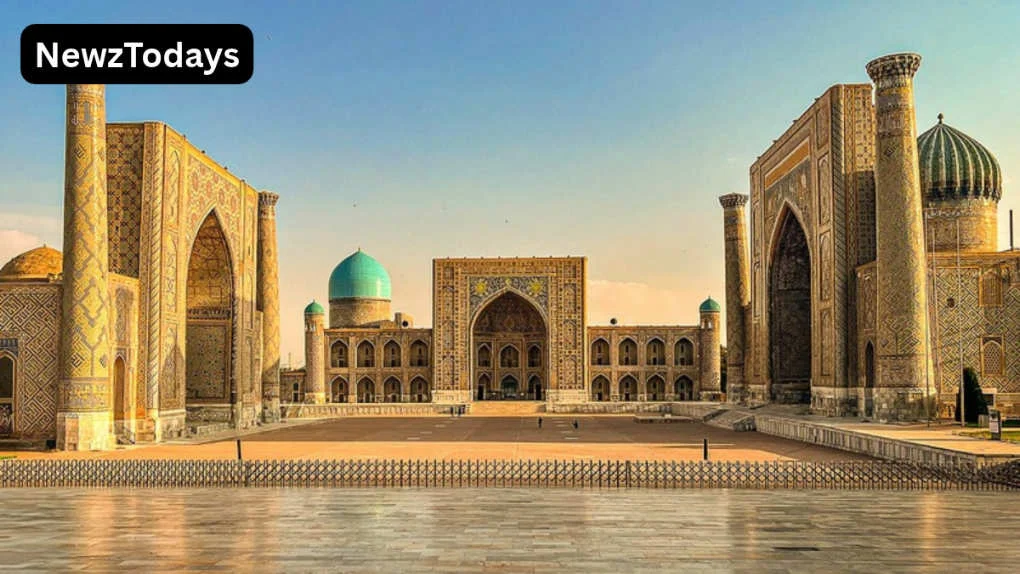
The amplified Chinese campaign appears to be a reaction to heightened US activity in the region. In October, US Senator Marco Rubio led a delegation to Samarkand, fostering dialogues with foreign ministers from five Central Asian countries to promote a US-backed trans-Caspian trade corridor. The visit culminated in a trade fair with over 50 agreements reportedly worth up to $12 billion between American and Uzbek enterprises.
Rubio expressed America’s intent to strengthen economic ties, stating, “The United States wants to be a strong partner in Central Asia.” This milestone has boosted US influence but simultaneously spurred China to reinforce its cultural diplomacy to maintain relevance in Central Asia’s largest state by population.
Implications for Pakistan and Regional Dynamics
Central Asia’s expanding geopolitical landscape holds significance for Pakistan, given its strategic aspirations and economic connectivity goals that include engagement through multilateral initiatives such as the China-Pakistan Economic Corridor (CPEC) and the broader Belt and Road Initiative. The contest between China’s soft power approach and US economic diplomacy in this corridor could influence regional trade flows, investment patterns, and diplomatic alignments.
For Pakistan, understanding these dynamics is vital as increased US and Chinese activities could reshape infrastructure projects, security partnerships, and economic opportunities within Central Asia. Moreover, Islamabad’s own relations with Central Asian countries might be affected by the intensifying rivalry over influence in the region.