
EU–India Trade Deal Threatens Pakistan Textiles
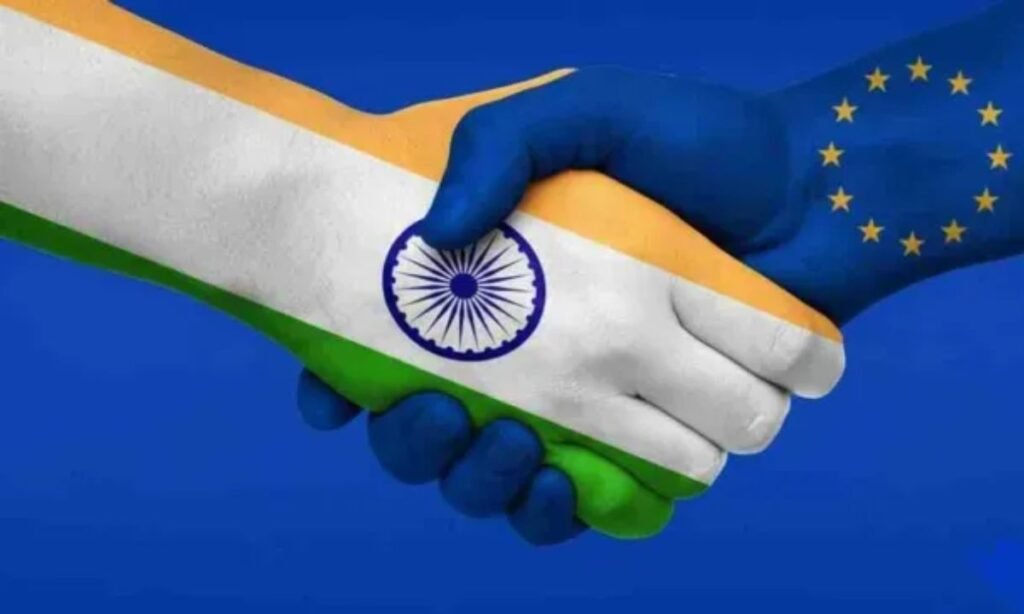
Former caretaker Federal Minister and Chairman of the Economic Policy and Business Development (EPBD), Dr. Gohar Ejaz, has sounded the alarm over the European Union–India Free Trade Agreement, warning that it poses a serious and immediate threat to Pakistan’s industrial base, particularly the textile sector.
Dr. Gohar Ejaz said the zero-tariff “honeymoon period” previously enjoyed by Pakistan with the European Union has come to an end, as the EU has now extended the same zero-duty market access to India and other regional competitors.
“Earlier, Pakistan benefited from preferential zero tariffs, but now the same facility will apply across the region,” he said, warning that Pakistan’s competitive edge in the EU market has been severely compromised.
According to Gohar Ejaz, the EU–India trade agreement could jeopardize Pakistan’s $9 billion worth of exports to the European Union, most of which are textile-related. He cautioned that the fallout could be devastating for employment, with up to 10 million jobs at risk across the textile and allied industries.
Read More: Wafi Energy And Hyundai Nishat Sign Lubricants Deal
Calling the situation a “wake-up call,” the former minister stressed that the government must take immediate decisions to protect the domestic textile industry.
“To survive regional competition, the textile sector must be provided electricity and gas at regional rates,” he said, adding that industrial taxes must be brought in line with neighboring countries and the overall cost of doing business reduced to regional benchmarks.
He further stated that Pakistani industries can no longer bear the burden of systemic inefficiencies, warning that continued delays in policy action could result in export erosion, factory closures, and large-scale unemployment.
“The decision must be taken today,” Gohar Ejaz emphasized. “Without urgent reforms, Pakistan risks losing billions in exports and millions of livelihoods.”
The EU–India trade agreement is expected to eliminate tariffs across major sectors including textiles, apparel, chemicals, footwear, marine products, and gems and jewellery—significantly intensifying competition for Pakistan in one of its most critical export destinations.