Global Power Grid Expansion Jumps 50% to Support Energy Transition
In 2025, global efforts to extend power grid infrastructure witnessed a significant surge, with utilities worldwide installing over 21,000 kilometers of new transmission lines—a 50% increase compared to 2024. This rapid expansion was reported by the International Renewable Energy Agency (IRENA) during the recent COP31 climate summit, highlighting the critical role of grid development in advancing electrification and clean energy integration.
Surging Grid Construction and Investment
The Utilities for Net Zero Alliance, a coalition comprising 89 utilities, spearheaded this expansion, marking a remarkable leap from approximately 14,000 kilometers added in the previous year. Investment plans associated with power grid development also intensified, with annual expenditures slated to reach at least $156 billion. According to IRENA Director-General Francesco La Camera, grid investments must accelerate further, with cumulative spending exceeding $10 trillion by 2035 to meet escalating energy demands and electrification goals globally.
Why Grid Expansion Is Vital for Pakistan and Beyond
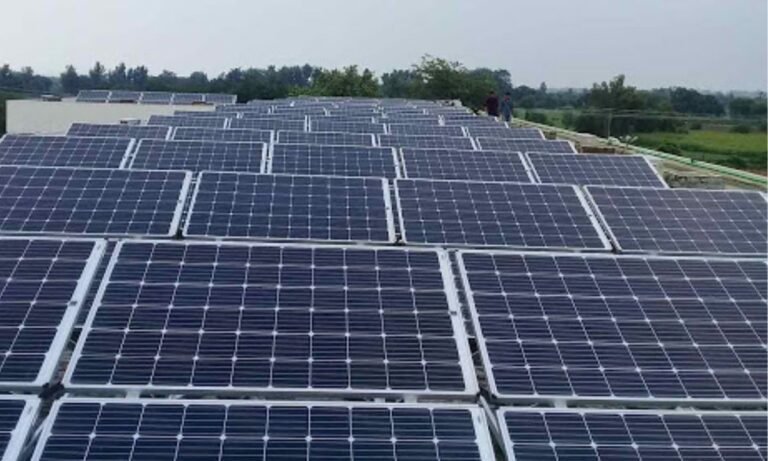
Modernizing and expanding transmission networks is indispensable for integrating renewable sources like wind and solar, which are often located far from consumption hubs and produce electricity intermittently. The variability of these clean energy sources necessitates extensive transmission capacity to minimize curtailment—where generated power is wasted due to limited grid connectivity or demand constraints.
For Pakistan, which is aggressively pursuing renewable energy projects to reduce reliance on imported fuels and ensure energy security, the global trend underscores the urgency to upgrade its power grid. Enhanced transmission infrastructure would facilitate the efficient transfer of green energy from generation sites to population centers, supporting Pakistan’s climate commitments and economic resilience.
Global Context: Balancing Security and Climate Objectives
Wood Mackenzie research suggests that countries prioritizing energy security over climate targets can still achieve emissions reductions through increased electrification. This aligns with forecasts indicating that expanded grid infrastructure can help limit global temperature rise to 2.5°C, slightly better than the 2.6°C projected otherwise. Nevertheless, La Camera stressed the need to move beyond commitments to tangible system-wide transformation to keep pace with these goals.
In summary, the unprecedented growth in global transmission capacity sets a crucial foundation for the energy transition. As Pakistan and other developing nations look to bolster their grids, this trend offers both a roadmap and a reminder of the scale of investment and coordination required to achieve reliable, sustainable electrification worldwide.
“We must shift from targets to implementation, from isolated projects to holistic system transformation,” La Camera emphasized, highlighting the collective effort needed to power a net-zero future.