

Gulf Tensions Lift Gas, Gasoline Prices
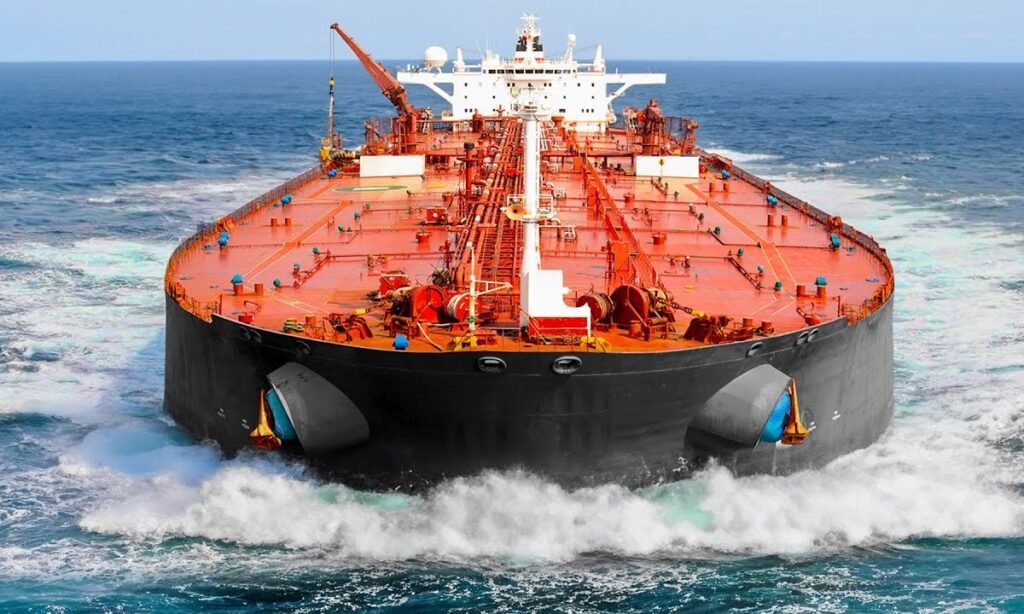
Risk premium pushes gas and gasoline higher amid supply fears in key export routes.
Escalating tensions around the Strait of Hormuz are driving fresh gains in global gas and gasoline prices as traders factor in potential supply disruptions from the Gulf region.
Gasoline benchmarks have climbed sharply this week as markets price the risk of restricted crude and product flows through critical shipping lanes.
The Strait of Hormuz handles about 20% of global oil consumption, according to the U.S. Energy Information Administration, making it one of the world’s most strategic energy chokepoints. Any threat to its operations quickly feeds into refined fuel markets.
Gasoline prices respond rapidly to geopolitical shocks because refiners rely on stable crude supplies and uninterrupted product exports.
Even without an immediate drop in physical shipments, the perception of risk increases trading volatility and lifts wholesale prices. Retail pump prices often follow with a lag, depending on local taxes and inventory cycles.
Read More: Govt increases prices of petrol, diesel
Natural gas markets are also feeling indirect effects. While most Gulf producers export crude rather than pipeline gas, Qatar is the world’s largest exporter of liquefied natural gas.
According to the International Energy Agency, global LNG trade exceeded 400 billion cubic metres in 2023, with Qatar accounting for roughly 20% of supply.
Any shipping disruption in Gulf waters could tighten LNG availability, particularly for Asian buyers.
European gas markets remain sensitive after the supply shock triggered by Russia’s invasion of Ukraine in 2022. The European Union reduced its dependence on Russian pipeline gas from around 40% of imports in 2021 to below 15% in 2024, according to European Commission data.
LNG from Qatar and the United States has filled much of that gap. Fresh instability in Gulf shipping lanes therefore raises concerns over energy security heading into peak demand periods.
In gasoline markets, inventories are not critically low but remain below long-term averages in several regions.
The International Energy Agency has noted that global oil product stocks have fluctuated around five-year norms, leaving limited buffer against sudden disruptions. Diesel and jet fuel markets are even tighter, but gasoline is still exposed to crude price swings.
OPEC+ producers have signalled modest output increases in coming months. However, traders argue that additional barrels offer limited reassurance if export routes face heightened risk. Spare production capacity is concentrated in Gulf countries whose shipments also pass through Hormuz.
Financial markets have reacted in tandem. Energy equities gained as crude and gasoline futures rose, while broader indices showed volatility.
Analysts say risk premiums can unwind quickly if tensions ease, but can expand sharply if hostilities intensify.
If shipping flows remain uninterrupted, gasoline prices may stabilise once immediate fears subside. However, a prolonged disruption could push crude toward the $80 to $100 per barrel range, amplifying gasoline costs globally. Gas markets could see renewed volatility, especially in Asia and Europe where LNG imports remain critical.
For consumers, the impact depends on duration. Short-lived tension may cause temporary price spikes. Sustained conflict around Gulf export routes would embed a structural risk premium in both gas and gasoline markets, reinforcing inflation pressures and complicating central bank policy decisions.