

Iran drone strike hits tanker, oil holds above $100
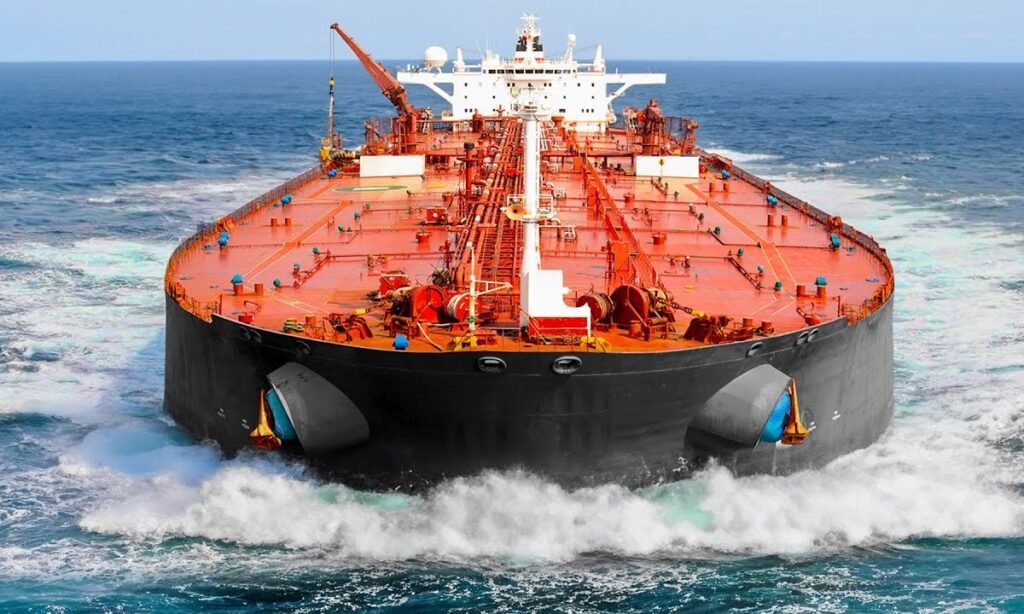
Attack on Kuwaiti vessel near Dubai raises supply risks as crude prices stay elevated.An Iranian drone strike hit a Kuwaiti oil tanker anchored at Dubai port, triggering a fire and raising fresh concerns over energy supply disruptions in the region, according to media reports.
Dubai authorities later said the fire had been brought under control, easing immediate fears of a wider maritime disaster. The vessel, identified as the very large crude carrier Al Salmi, has a capacity of 2 million barrels and was fully laden at the time of attack.
Read More:US gasoline tops $4 as Middle East tensions rise
Kuwait Petroleum Corporation said in statements reported by Gulf News.The strike caused damage to the vessel’s hull and ignited a fire onboard, with authorities warning of a potential oil spill in surrounding waters.
The incident highlights growing risks to key oil transport routes amid escalating geopolitical tensions in the Middle East.Oil prices moved higher briefly following the attack but later pared gains. Brent crude was trading at $112.94, slightly down from the previous session, while West Texas Intermediate stood at $102.73 per barrel, maintaining levels above the $100 mark.
The latest price movements come despite assurances from U.S. President Donald Trump that he seeks to end the conflict and that Iran is open to negotiations. Iran has repeatedly denied these claims, casting doubt on the prospects for a near-term diplomatic resolution.Trump has alternated between signaling negotiations and issuing strong warnings.
In his latest statement, he threatened to target Iran’s critical infrastructure, including power plants and desalination facilities, if Tehran fails to agree to a deal. Media reports have noted that targeting civilian infrastructure would constitute a violation of international law.
The U.S. administration has set April 6 as a new deadline for reaching an agreement with Iran, adding urgency to diplomatic efforts. However, the conflicting signals and continued escalation suggest that a resolution remains uncertain.Rising geopolitical tensions are already impacting global energy markets and consumers. The average gasoline price in the United States has crossed $4 per gallon for the first time in over three years, according to Reuters, reflecting the transmission of higher crude costs into retail fuel prices.
The attack on the Al Salmi underscores the vulnerability of oil supply chains in the Gulf region, particularly around key transit hubs. With crude prices holding above $100 and tensions unresolved, markets are expected to remain volatile, with further risks tied to developments involving Iran and regional shipping routes.