Nordic Power Prices Face Winter Spike as Hydropower Dwindles
As winter nears, Nordic countries are bracing for a sharp rise in electricity prices due to plummeting hydropower reserves coupled with soaring natural gas costs. Industry analysts warn that this combination could trigger severe electricity price spikes, especially if wind speeds remain low for extended periods.
Declining Hydropower Reserves and Rising Gas Prices
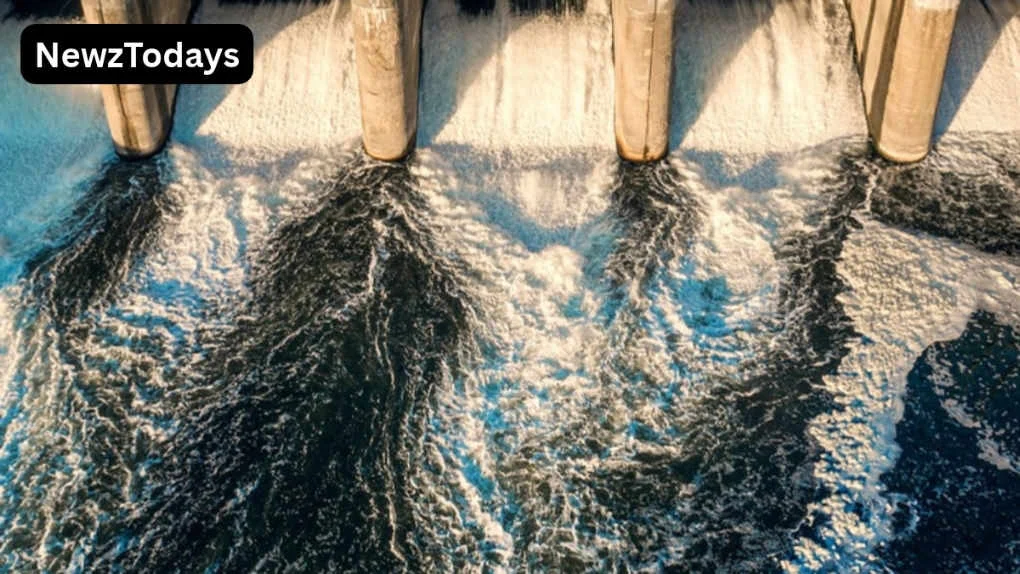
Energy trading firm Mind Energy, headquartered in Denmark, highlighted that southern Norway’s hydropower reservoirs currently hold their lowest water levels in three decades. This declining water availability limits renewable electricity production at a critical time when demand for heating surges.
Simultaneously, European natural gas prices have escalated dramatically, reaching levels not seen since late 2022. This increase forces power generators to rely more heavily on gas-fired plants when hydropower and wind energy fall short, driving up electricity costs across the Nordic region.
Implications for Nordic Electricity Markets
In southern areas of Norway, Sweden, and Denmark, power generation increasingly depends on German gas plants, especially during periods of low wind, underscoring the region’s vulnerability to fluctuations in fuel prices. Analysts from Mind Energy noted that energy markets underestimated the severity of this year’s supply tightness earlier in 2026, resulting in heightened market anxiety as winter approaches.
Senior Market Analyst Karsten Sander Nielsen observed, “The Nordic countries are significantly influenced by Europe’s strained gas market, and the hydrological challenges have amplified the upward pressure on power prices.” This stresses the region’s reliance on a delicate balance of renewable resources and imported fuel.
Relevance for Pakistan’s Energy Sector
Although geographically distant, the Nordic experience underscores the global challenges of navigating energy supply amid fluctuating renewable resource availability and volatile fossil fuel markets. Pakistan, which is actively expanding its renewable energy portfolio, including hydropower, can draw lessons on the importance of diversified energy sources and strategic fuel reserves to mitigate price shocks during critical demand seasons.
As international energy markets become increasingly interconnected, price surges in one region can indirectly influence global energy commodity prices, affecting fuel costs and electricity tariffs in countries like Pakistan. Monitoring such developments is essential for policymakers and energy stakeholders to ensure stability and affordability in local energy supply.