
Pakistan Fuel Supply Chain Comes Under Pressure
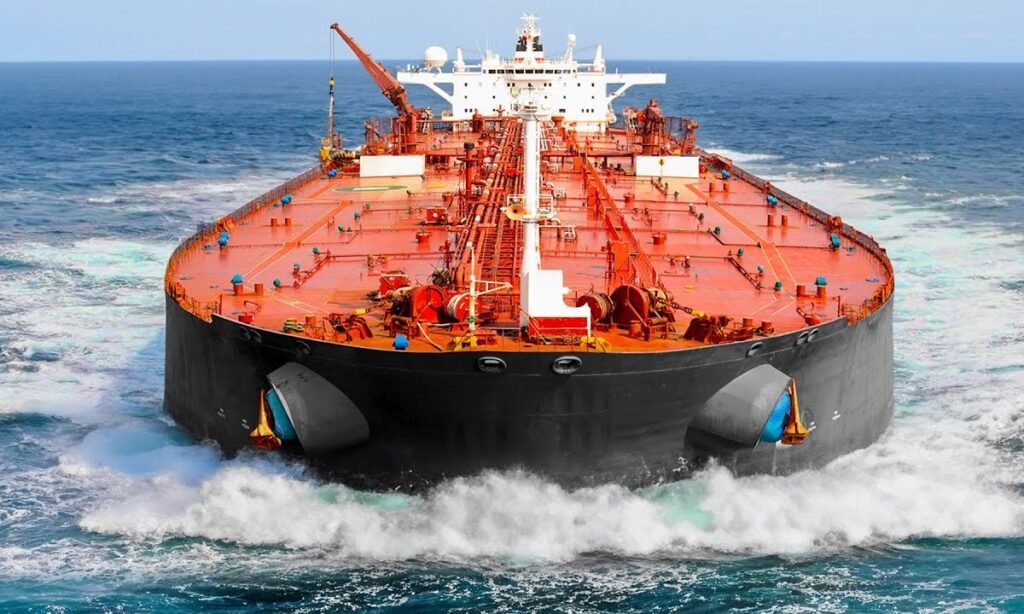
Pakistan’s fuel supply chain has come under pressure after escalating tensions in the Middle East disrupted shipping routes, sending global oil prices soaring and forcing the government to manage limited domestic reserves, officials told a Senate committee on Monday.
At a meeting of the Senate Standing Committee on Petroleum chaired by Senator Manzoor Ahmad, the petroleum secretary said about 70 per cent of Pakistan’s petroleum imports come from the Middle East, where shipping movements have been halted due to regional instability.
The disruption has sharply pushed up global fuel prices and complicated Pakistan’s import schedule.According to officials, the price of high-speed diesel has surged from $88 to $187 per barrel, while petrol has climbed from $74 to $130, reflecting the impact of supply disruptions in the region.
Despite the volatility, the petroleum secretary said fuel remains available across Pakistan, as the government is trying to extend the use of existing reserves and ensure continued imports. Current stockpiles include crude oil for 11 days, diesel for 21 days, petrol for 27 days, LPG for 9 days, and aviation fuel (JP-1) for 14 days, the committee was told.
The official also confirmed that two Pakistani oil tankers are currently stranded in the Strait of Hormuz, further complicating logistics.To maintain supply, Pakistan has temporarily allowed the import of petroleum products below Euro-5 quality standards, while a ministerial committee formed by the prime minister is reviewing the fuel situation on a daily basis.
Regulators told lawmakers that since March 7, diesel prices have effectively doubled while petrol prices have risen about 70 pc, increases officials said were partly aimed at discouraging hoarding and ensuring oil marketing companies continue importing fuel.Lawmakers, however, criticized the move.
Senator Saadia Abbasi said raising prices on existing stocks allowed the government to reap financial gains, while committee chairman Manzoor Ahmad alleged that the policy ultimately benefited oil marketing companies — a claim the petroleum secretary rejected.The committee also heard warnings about liquefied natural gas (LNG) supply constraints. Officials said LNG shipments from Qatar have been suspended since March 2, with only two of the eight cargoes scheduled for March arriving in Pakistan.
If new shipments are not secured, officials warned that the country could run out of LNG after April 14.Gas supplies to the power sector have already been reduced from 300 million cubic feet per day to 130 million, while one fertilizer plant has had its gas supply cut by 50%, officials said.
Read More:Hormuz strait oil supply tightens

The government plans to prioritize domestic consumers if shortages deepen.Authorities are exploring spot LNG purchases from SOCAR, Azerbaijan’s state energy company, but warned that spot prices could reach $24 per unit, far higher than the roughly $9 price under Qatar’s long-term contracts, potentially leading to more expensive electricity generation.Officials said countries worldwide are scrambling to secure fuel supplies as geopolitical tensions disrupt global energy markets.