

Pakistan inflation seen at 7.4% in March
Pakistan’s inflation is projected at 7.4% year-on-year in March 2026, driven by a sharp surge in fuel prices and rising electricity costs, according to an Optimus Research report.
According to report issued by OPTIMUS, Pakistan’s consumer inflation is expected to rise to 7.4% year-on-year in March 2026, as a sharp increase in fuel prices pushed monthly inflation higher, according to a research report released on March 30. The National Consumer Price Index (NCPI) is estimated to record a 1.23% month-on-month increase, largely driven by energy-related components.
Read More: Govt Freezes Oil Prices For Another Week
Fuel prices emerged as the primary driver behind the inflation spike, surging nearly 25% month-on-month during March. The report noted that fuel and transportation costs alone are expected to contribute around 65% of the monthly increase in headline inflation. Rising logistics costs also pushed the transport index up by an estimated 13.6% month-on-month and 14.3% year-on-year.
The surge in domestic fuel prices follows a sharp escalation in global oil markets. Arab Light crude prices rose 71% compared to the February average, while gasoil and gasoline prices increased by approximately 150% and 90%, respectively. Despite the global spike, the government absorbed part of the impact, limiting domestic fuel price increases to about 25% over the same period.
Electricity costs also contributed to inflationary pressures. A fuel cost adjustment of Rs1.63 per kilowatt-hour in March, now extended to previously exempt protected consumers, is expected to push the electricity index up حوالي 5% month-on-month and nearly 15% year-on-year. Housing, water, electricity, gas, and fuels collectively carry a weight of 23.6% in the inflation basket, amplifying their overall impact.
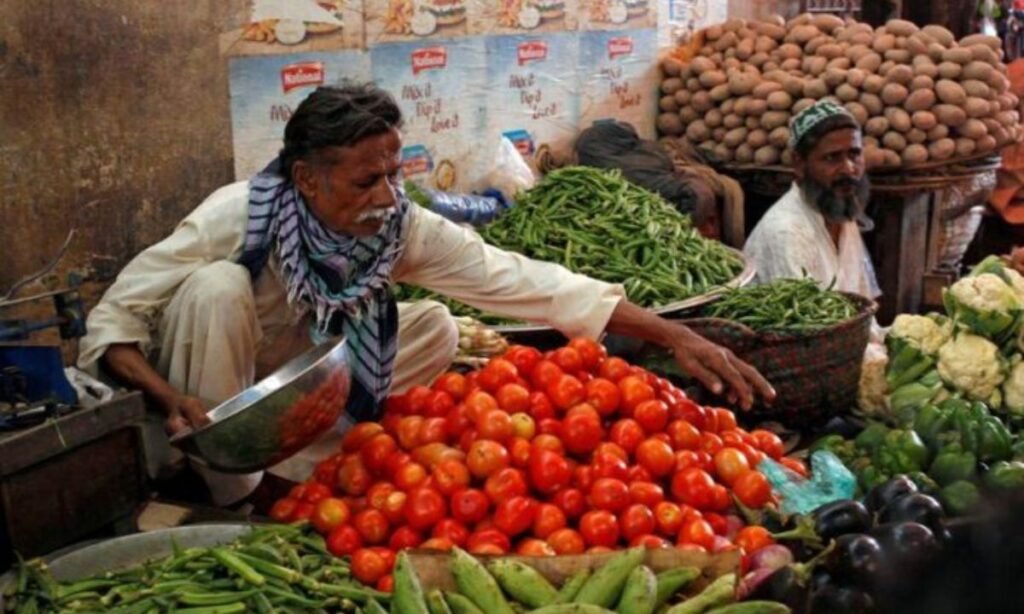
In contrast, food prices remained largely stable during the month, with the food index showing a marginal decline of 0.1% month-on-month. Analysts attributed this to a temporary supply glut in the agriculture sector caused by border closures, which suppressed price increases. However, early indicators from the Sensitive Price Index suggest food inflation may begin rising as fuel costs pass through to supply chains and exports resume.
The report highlighted that Pakistan’s inflation outlook may worsen in the coming months, with headline inflation likely to enter double digits from April 2026. Analysts expect inflation to peak near 13% year-on-year due to base effects, elevated oil prices, and lagged transmission of higher fuel costs into broader sectors of the economy.
Core sectors of the inflation basket showed mixed trends. Health inflation was estimated at 7.6% year-on-year, while education rose 8.9%, reflecting persistent cost pressures in essential services. Meanwhile, miscellaneous items recorded the highest increase at 20% year-on-year, indicating broader underlying inflationary pressures beyond energy.
The research also flagged fiscal risks arising from continued fuel subsidies, which could strain Pakistan’s already tight fiscal position and widen the current account deficit. Bond yields have already risen by 100 to 200 basis points across tenors, signaling market concerns over inflation and macroeconomic stability.
Pakistan’s inflation trajectory remains closely tied to global oil price movements and domestic energy pricing policies. The projected rise in inflation underscores mounting pressure on policymakers to balance subsidy support with fiscal sustainability as Pakistan navigates a volatile external environment.