

Pakistan power crisis deepens amid LNG shortfall
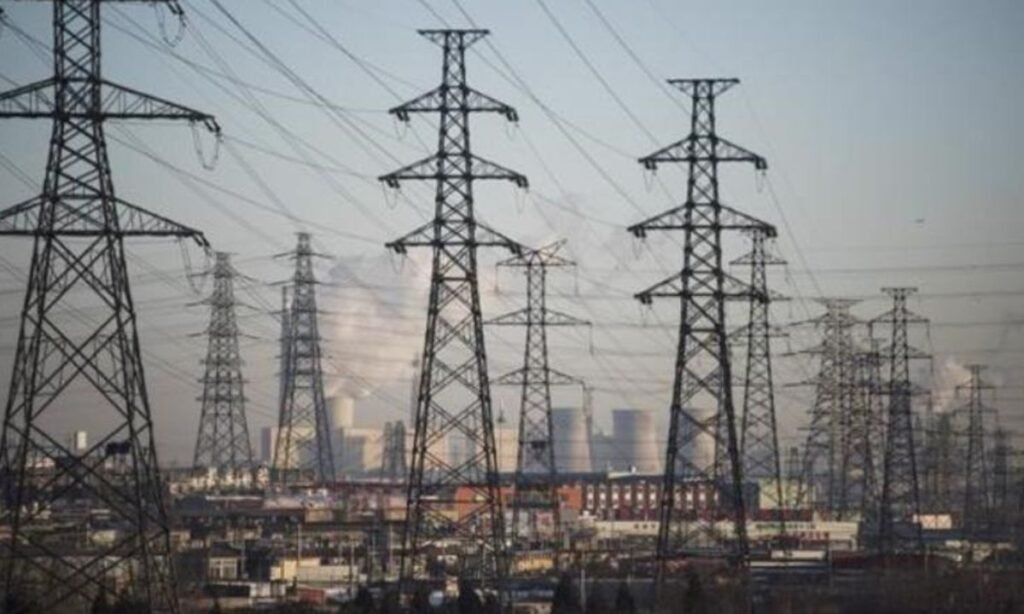
Government plans 2–3 hours daily load-shedding and tariff hikes as LNG supplies collapse and fuel costs surge ahead of peak summer demand.
Pakistan is preparing for widespread power shortages and higher electricity tariffs as liquefied natural gas supplies are set to fall to near zero from next month, forcing authorities to adopt load-shedding and emergency fuel measures to manage summer demand.
Senior officials said the Power Division is finalising a hybrid strategy combining two to three hours of daily load-shedding, compulsory conservation measures, and increased fuel cost adjustments to stabilise the national grid under worsening supply constraints.
The crisis stems from a sharp decline in LNG availability, which currently contributes more than 21% of Pakistan’s electricity generation. Officials warned that even if geopolitical tensions ease immediately, LNG imports would remain disrupted due to supply chain shocks and pricing volatility.
Read More: LNG Surplus Puts Petroleum Division Under Strain
The reduction will remove around 150 million cubic feet per day of gas and LNG supplied to power plants in March, significantly weakening generation capacity from April onwards. Gas availability for power generation is expected to fall to around 80 mmcfd, forcing authorities to divert supplies from other sectors.
Pakistan’s power mix has historically relied on imported fuels, making it vulnerable to global disruptions. According to the Economic Survey of Pakistan 2024-25, thermal sources, including LNG and coal, account for nearly 60% of total electricity generation, exposing the system to price and supply shocks.
Coal-based generation is also under pressure, with both imported and local coal supplies expected to remain constrained. Together, LNG and coal account for roughly 30% of total electricity supplied to the national grid, raising concerns about a widening supply-demand gap during peak summer months.
Officials estimate peak electricity demand will reach 27,000 to 28,000 megawatts, compared with current peak usage of around 14,000 megawatts. Daytime demand has dropped below 9,000 megawatts due to rising adoption of solar power, which has reduced reliance on the national grid.
However, solar generation cannot fully offset evening peak demand, increasing pressure on conventional fuel-based plants. Authorities are now turning to furnace oil as the primary replacement fuel despite its significantly higher cost.
Fuel cost comparisons highlight the scale of the challenge. LNG-based generation cost around Rs20 per unit in February, while imported coal stood at Rs13.50 per unit. Local gas and coal ranged between Rs12 and Rs14 per unit. In contrast, furnace oil-based generation costs have surged to around Rs35 per unit following disruptions in global oil markets.
The situation has been aggravated by geopolitical tensions in the Middle East, particularly disruptions in the Strait of Hormuz, a key global oil transit route. According to the International Energy Agency, nearly 20% of global oil supply passes through this corridor, making prices highly sensitive to regional instability.
Officials estimate that fuel cost adjustments could rise by Rs10 to Rs12 per unit due to the non-utilisation of approximately 5,000 megawatts of LNG-based capacity, which includes some of Pakistan’s most efficient power plants.
High-speed diesel, another alternative fuel, is not being considered due to prohibitive costs exceeding Rs80 per unit and its critical role in agriculture and transport, particularly during the ongoing harvest season.
To manage shortages, the government has restricted furnace oil exports and built reserves exceeding 360,000 tonnes, sufficient for about 25 days of full-capacity generation. Furnace oil plants will likely be used during peak hours due to their quick ramp-up capability.
Gas supply reallocations are also under consideration. Authorities may suspend supplies to the compressed natural gas sector, already operating at 50% capacity, to free up an additional 25 to 30 mmcfd for power generation. Partial curtailment of gas to fertiliser plants is also being reviewed.
The crisis is further complicated by domestic logistical issues affecting coal transport. Disputes between Pakistan Railways and major coal-fired power plants have disrupted fuel supply chains, putting 1,500 to 1,800 megawatts of generation capacity at risk.
The Sahiwal and Jamshoro coal plants, which together produce up to 2,000 megawatts, are facing critically low coal inventories, estimated at three to seven days. Officials warned that depletion of these stocks could trigger an additional 2.5 to 3 hours of load-shedding.
According to power sector data, these plants contribute around 10% to 15% of total electricity generation, making their disruption a significant threat to grid stability. The situation also has financial implications, as coal transport accounts for over 30% of Pakistan Railways’ freight revenue.
Regulatory approvals have allowed Jamshoro to shift to road-based coal transport, but higher logistics costs will increase electricity tariffs. Sahiwal remains in the tendering phase for similar arrangements, delaying mitigation efforts.
Pakistan’s power sector has faced persistent structural challenges, including circular debt exceeding Rs2.6 trillion, according to the Ministry of Energy. These financial constraints limit the government’s ability to absorb rising fuel costs, increasing reliance on consumer tariff adjustments.
Recent policy measures, including IMF-backed energy reforms, have already pushed electricity tariffs upward, with further increases expected under the automatic fuel cost adjustment mechanism.
Analysts warn that the combination of supply shortages, high fuel costs, and infrastructure bottlenecks could strain economic activity, particularly in the industrial sector, which depends on reliable and affordable electricity.
The government’s final strategy will depend on evolving fuel availability and geopolitical developments, but officials acknowledge that some level of load-shedding and tariff pressure is now unavoidable.
The unfolding crisis underscores Pakistan’s continued dependence on imported fuels and highlights the urgent need for energy diversification, grid modernisation, and policy stability to ensure long-term power security.