Pakistan Sees Sharp Rise in Car Imports Amid Auto Parts Industry Concerns
Pakistan experienced a notable jump in car imports in September 2026, sparking caution within the local auto parts manufacturing sector. The sudden surge has raised alarms about potential impacts on domestic production, employment, and the broader automotive supply chain.
Significant Increase in Car Imports
Data reveals that imports of new completely built-up (CBU) vehicles climbed dramatically to 2,407 units in September, a sixfold rise from 391 units in August. Similarly, imports of used cars more than doubled from 1,185 to 2,454 units during the same period. This brought total vehicle imports to 4,861 units for the month. New vehicle imports were dominated by the BYD ATTO, which accounted for over 1,500 units, marking its highest monthly volume to date. On the used car front, luxury models alongside popular compact and mini cars such as Suzuki Alto, Daihatsu Mira, and Toyota Yaris saw increased arrivals.
Impact on Local Auto Parts Manufacturers
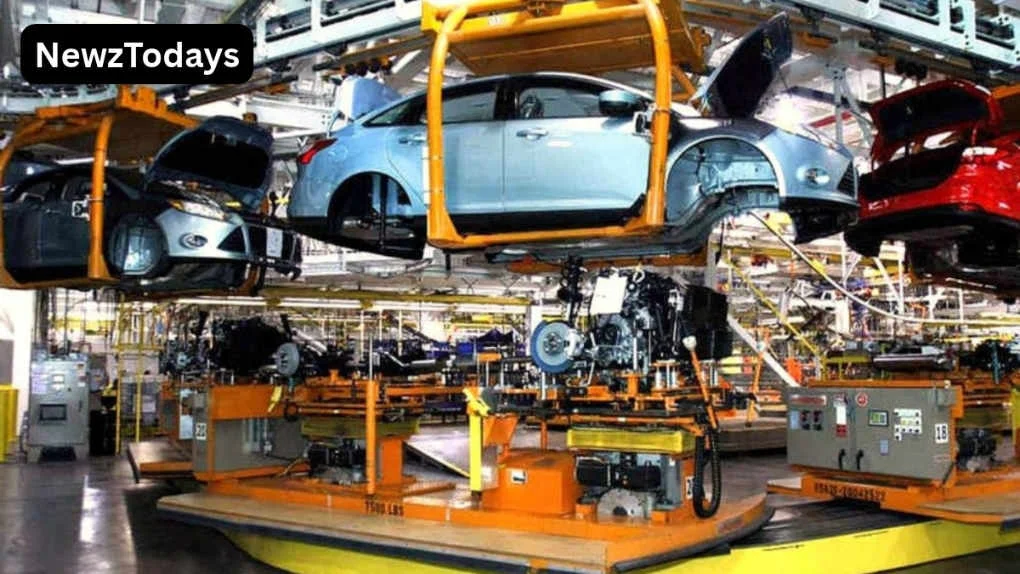
The Pakistan Association of Automotive Parts & Accessories Manufacturers (PAPAAM) has expressed concern that this import growth threatens roughly 1,200 domestic parts producers. These manufacturers supply essential vehicle components including seats, glass, doors, bumpers, headlamps, wiring harnesses, tyres, steering wheels, and shock absorbers. Since CBU vehicles arrive fully assembled, they bypass local parts suppliers entirely.
According to Abdur Rehman Aizaz, PAPAAM chairperson, around 65 percent of the component value in a locally assembled Toyota Corolla comes from domestic parts. With the current rise in imports, the industry estimates a potential Rs7.3 billion displacement in parts demand based on September’s figures, though this is an estimated calculation rather than confirmed revenue loss.
Broader Implications for Pakistan’s Auto Sector
While the influx of imported vehicles broadens consumer options, especially for buyers in higher price brackets, it simultaneously endangers the sustainability of local manufacturing and jobs. Reduced production volumes can increase costs per unit and undermine the competitiveness of local assemblers. Furthermore, suppliers of raw materials like steel, plastics, rubber, glass, and electrical components could experience downstream effects from diminished orders.
Aizaz raised a pertinent question about policy priorities, contrasting the preferences of affluent consumers for imported used cars with the livelihoods of domestic factory workers earning modest wages. This ongoing dynamic has reignited discussions on how Pakistan can balance expanding vehicle choices with safeguarding its vital local auto parts and assembly industries.
For Pakistani consumers and policymakers alike, these developments highlight the complexities of trade and industry strategies affecting prices, employment, and manufacturing resilience in the automotive sector.
Related Stories
- Customs Updates Import Values for Truck and Bus Tyres
- McLaren Puts 5 Historic F1 Cars Including Brad Pitt’s Test Car Up for Sale
- Pakistan’s Auto Policy Revises NEV Tax and Assembly Rules
- New Auto Policy 2026-31 Imposes Export Penalties on Manufacturers
- Islamabad Police to Seize Cars Driven Without Valid Licenses