

Pakistan-UK discuss energy, mediation role
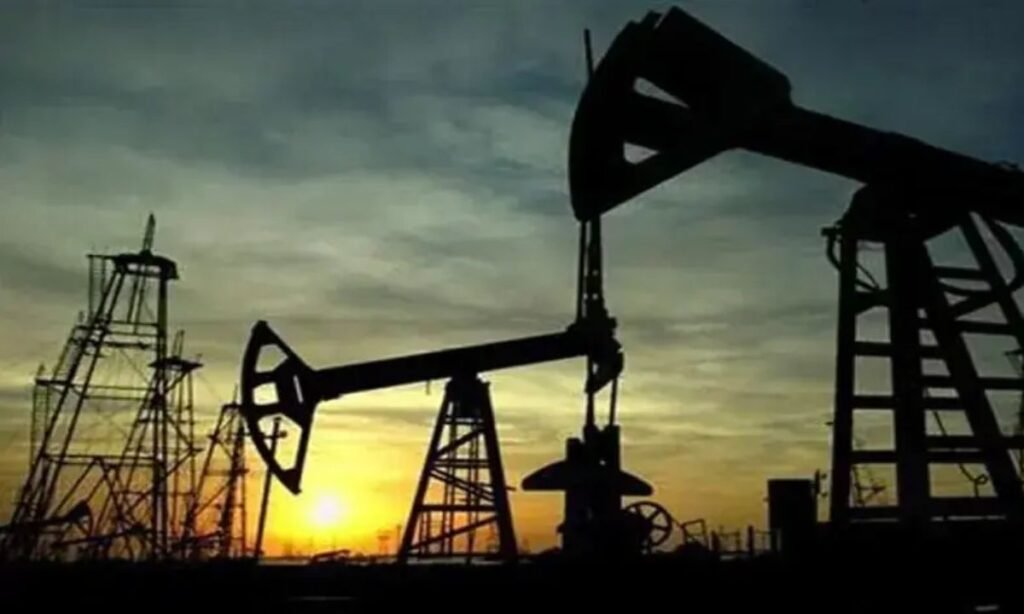
Pakistan and the United Kingdom reviewed regional tensions, energy security risks and agreed to expand cooperation in petroleum and mineral sectors during high-level talks in Islamabad.Federal Minister for Petroleum Ali Pervaiz Malik met UK High Commissioner Jane Marriott in Islamabad on April 7 to discuss regional developments, global energy market volatility and bilateral cooperation in Pakistan’s energy and minerals sectors.
Both sides focused on the impact of geopolitical tensions on petroleum supply chains and energy security.The UK envoy appreciated Pakistan’s diplomatic engagement and acknowledged its mediation efforts aimed at easing regional tensions. She noted that Pakistan had leveraged its relations with key global stakeholders, including the United States and Iran, to promote stability and dialogue.Jane Marriott also reviewed Pakistan’s petroleum supply situation and commended authorities for maintaining uninterrupted fuel availability despite global uncertainty.
She observed that Pakistan avoided major market distortions at a time when several economies faced supply disruptions and sharp price swings.Ali Pervaiz Malik said Pakistan remained committed to promoting peace through diplomatic channels and constructive engagement. He added that the government had taken timely decisions to ensure continuity in petroleum supplies during the recent period of uncertainty.
The minister cautioned against policy missteps, referencing 2022 when fuel subsidies strained Pakistan’s fiscal position. According to the State Bank of Pakistan’s annual report, untargeted energy subsidies contributed significantly to widening the fiscal deficit and external imbalances during that period.
Malik said maintaining supply stability was prioritized over short-term price relief to avoid deeper economic disruption.Pakistan’s petroleum consumption has remained sensitive to global price movements.
Data from the Oil Companies Advisory Council shows domestic sales stood near 16 million tonnes in FY2025, reflecting gradual recovery after contraction in previous years due to high prices and currency depreciation. Ensuring uninterrupted supply has therefore remained central to energy policy.The minister acknowledged support from key partners including Saudi Arabia, the United Arab Emirates and Oman in facilitating petroleum supplies.
He also referred to Qatar’s past cooperation, noting that long-term LNG agreements helped Pakistan secure cargoes at around $10 per MMBtu when global spot prices surged close to $30 during the 2022 energy crisis.
Pakistan relies heavily on imported energy, with the Economic Survey of Pakistan showing that oil accounts for nearly 30% of the country’s primary energy supply.
This dependence exposes the economy to external shocks, particularly during geopolitical crises that disrupt global supply chains.Highlighting domestic capacity, Malik said local exploration and production companies played a key role in sustaining supply during challenging periods.
He added that Pakistan’s fertilizer prices remain significantly lower than regional averages, supported by gas pricing policies and targeted subsidies for agriculture.
The UK side emphasized the importance of long-term collaboration in the energy sector. Jane Marriott highlighted ongoing technical cooperation between the British Geological Survey and the Geological Survey of Pakistan, particularly in mapping mineral resources and improving data capabilities.
Pakistan’s mineral sector has gained attention in recent years, especially after renewed focus on projects such as Reko Diq. According to government estimates, Pakistan’s untapped mineral reserves are valued in billions of dollars, with increasing interest from foreign investors seeking opportunities in copper, gold and rare earth elements.The minister also discussed institutional collaboration, including capacity building for the Oil and Gas Regulatory Authority. Strengthening regulatory frameworks has become a priority as Pakistan seeks to attract investment and improve governance in its energy markets.
The UK expressed interest in supporting such initiatives through technical expertise and institutional partnerships.Both sides agreed to deepen engagement through investment facilitation and joint efforts to enhance energy security. Pakistan is also pursuing broader energy sector reforms under ongoing discussions with the International Monetary Fund, focusing on reducing circular debt and improving cost recovery.
Read More: Hormuz strait oil supply tightens

The meeting signals Pakistan’s intent to balance diplomatic engagement with economic priorities as it navigates a volatile global energy environment. With rising demand, import dependence and fiscal constraints, sustained cooperation with partners like the United Kingdom is expected to remain critical for Pakistan’s energy transition and long-term stability.