

Pakistan’s Solar Share May Reach 60% by 2030
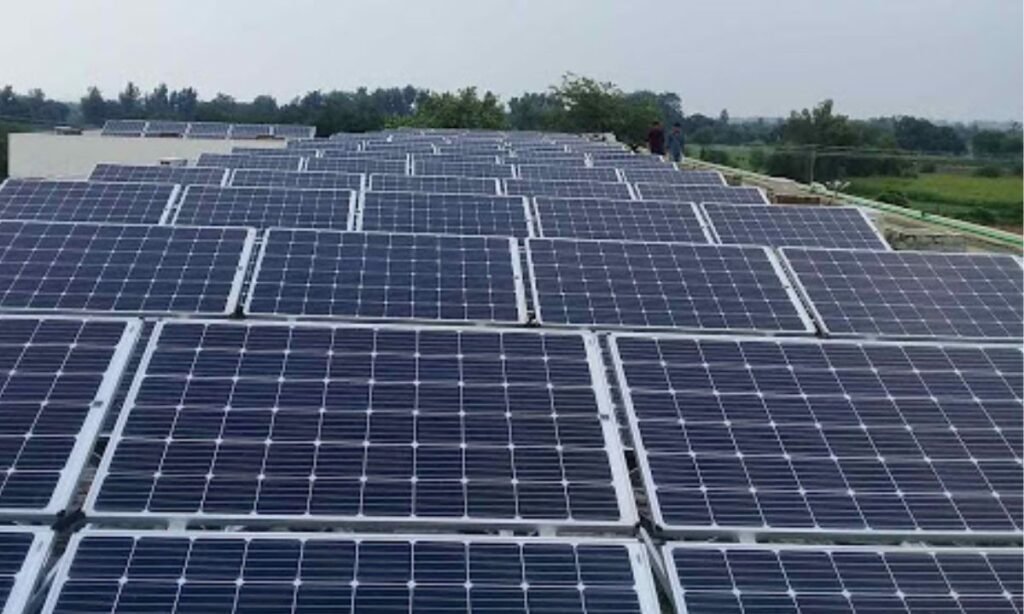
Pakistan holds a solar power potential of 40 gigawatts, according to the World Bank, which could raise the share of solar to 60% of the country’s energy mix by 2030.
The energy sector has long relied on fossil fuels, but advances in solar technology and falling prices have encouraged a shift toward renewable sources.
Through the net metering policy, consumers with solar panels can transfer excess electricity to the grid and receive credits, enabling them to generate part of their own power.
The government approved the 2019 renewable energy policy to support projects, but implementing the 2021 electricity policy still faces challenges.
Reports indicate the government plans to reduce solar export prices from Rs21 to Rs11, sparking criticism as fossil fuel power costs Rs60.
Read More: Petrol Price May Drop From December 1, 2025
Solar net metering installations have reached 3,000 megawatts.
PBS data show that in 2020, fossil fuels made up about 63% of total power generation, followed by hydropower at 29%, nuclear at 5% and renewable sources at roughly 3%.
Independent power producers reportedly oppose fast solar growth over revenue loss concerns, while regulators are perceived to favour IPPs over consumers.
Rising demand for solar panels has affected the government’s capacity payment plan, and critics warn tariff cuts may slow renewable energy progress.
They call for a comprehensive review involving experts, climate officials and solar consumers to ensure that national obligations and public interests are protected.