

PPL profit falls 26% in 2QFY26
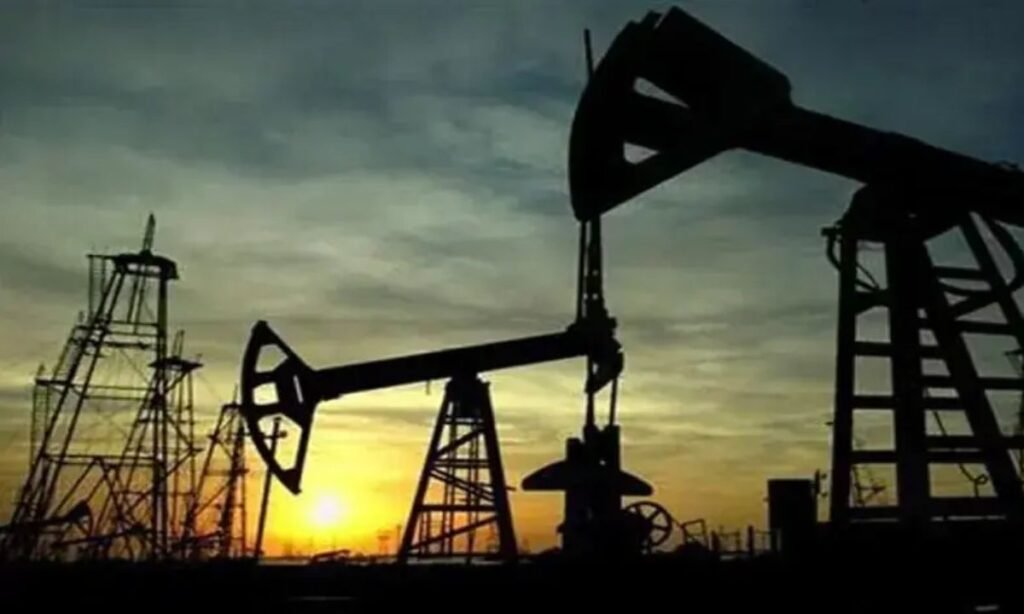
Pakistan Petroleum Limited posts Rs20.3bn quarterly profit, hit by weaker output and oil prices, while announcing Rs2 per share dividend.
Pakistan Petroleum Limited reported a 26% year-on-year decline in second-quarter profit as lower hydrocarbon production and weaker global oil prices weighed on earnings. The state-owned explorer posted net income of Rs20.3bn for 2QFY26, translating into earnings per share of Rs7.44, according to its filing to the Pakistan Stock Exchange.
Read More: PPL Enhances Production Enhancement at Gambat South
Profit remained largely flat on a sequential basis, edging up 1% from the previous quarter. For the first half of FY26, earnings stood at Rs40.4bn, down 21% from a year earlier, with EPS of Rs14.84. The decline reflects softer crude benchmarks and natural field depletion across key assets.
Net sales during the quarter rose 1% year-on-year to Rs61.2bn, while increasing 8% quarter-on-quarter due to a modest recovery in oil and gas volumes. Brent crude prices averaged around $[verify] per barrel during the quarter, lower than last year’s levels, according to international energy market data. Pakistan’s overall crude oil production has remained under pressure, hovering near 60,000 barrels per day in recent months, based on official petroleum division statistics.
Royalty expenses amounted to Rs9.0bn in 2QFY26, broadly flat compared with last year and up 5% from the previous quarter. Royalty as a percentage of net sales stood at 15%, consistent with recent quarters. Exploration costs declined sharply to Rs1.3bn, down 74% year-on-year, mainly due to the absence of a dry well expense recorded in 2QFY25.
Operating expenditures surged to Rs16.1bn during the quarter, rising 32% year-on-year and 18% quarter-on-quarter. On a per-barrel-of-oil-equivalent basis, OPEX stood at $5.7, compared with $4.9 in 1QFY26 and $5.1 in 2QFY25. Higher field service charges and inflationary pressures contributed to the increase, reflecting broader cost trends in Pakistan’s upstream sector.
Other income dropped 59% year-on-year to Rs3.6bn, largely due to lower interest rates on cash balances. The State Bank of Pakistan has reduced its policy rate in recent months amid easing inflation, compressing returns on short-term deposits and government securities. The effective tax rate for the quarter rose to 37%, compared with 35% in the previous quarter and 27% in the same period last year.
Alongside the results, Pakistan Petroleum Limited announced a cash dividend of Rs2 per share for 2QFY26, bringing the cumulative half-year payout to Rs4 per share. The company has historically maintained a steady dividend stream, supported by strong operating cash flows and a relatively low leverage profile compared with peers.
Pakistan Petroleum Limited remains one of the country’s largest exploration and production companies, with significant stakes in major gas fields including Sui and Kandhkot. The company plays a critical role in Pakistan’s energy supply chain, contributing substantially to domestic natural gas production. According to official energy data, natural gas accounts for nearly one-third of Pakistan’s primary energy mix, underscoring the strategic importance of upstream players.
The exploration and production sector has faced persistent challenges, including circular debt, delayed payments from state utilities, and declining indigenous reserves. The government has recently revised wellhead gas prices under its exploration policy to incentivize new drilling and arrest production decline. Industry analysts say improved pricing terms and a more stable macroeconomic environment could gradually support output recovery.
Shares of Pakistan Petroleum Limited are currently trading at a forward price-to-earnings ratio of 8.9x for FY26 and 8.0x for FY27, based on market estimates. Analysts maintain a positive outlook, citing attractive valuations and dividend yield despite near-term earnings pressure.