

PPMA says medicine prices steady despite fuel hike
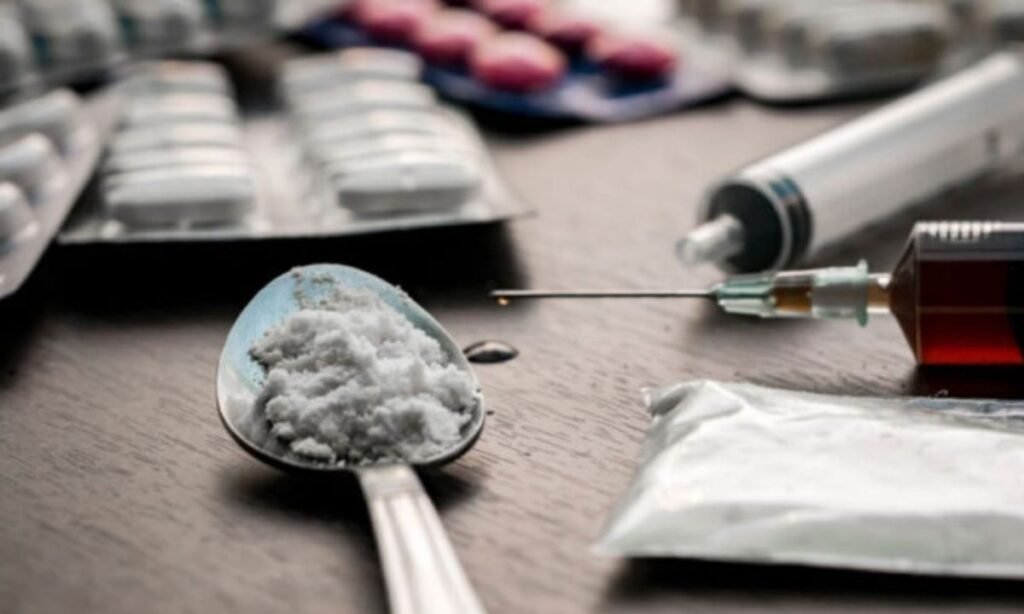
Essential drugs remain available nationwide as manufacturers absorb rising costs
Essential medicines in Pakistan remain widely available and price-controlled despite a sharp rise in fuel costs, the Pakistan Pharmaceutical Manufacturers Association (PPMA) said on Saturday.
Industry representatives rejected recent unverified reports suggesting shortages or price hikes. They said government-regulated prices for essential drugs have not changed in recent months. This stability persists despite petrol and diesel prices rising more than 20 percent.
The association said life-saving medicines, including insulin, antibiotics, and cardiovascular treatments, are being supplied without disruption. Anti-hypertensive, anti-diabetic drugs and vaccines also remain available across the country. Manufacturers have continued production and distribution despite higher input and logistics costs.
Read More: Govt exempts import duties on 61 medical goods
Officials said the sector absorbed increased expenses linked to fuel, freight, and imported raw materials. Active pharmaceutical ingredients, largely sourced from China and other markets, have become costlier due to currency pressures and regional instability. Despite this, companies have not passed on additional costs to patients for essential medicines.
Pakistan’s pharmaceutical sector relies heavily on imports for raw materials. According to the Drug Regulatory Authority of Pakistan (DRAP), nearly 95 percent of active pharmaceutical ingredients are imported. This exposes manufacturers to exchange rate volatility and global supply disruptions. The rupee’s depreciation over recent years has further raised input costs.
At the same time, around 90 percent of finished medicines consumed domestically are produced locally. This local manufacturing base has helped maintain supply continuity during periods of global disruption, including the COVID-19 pandemic and recent geopolitical tensions. Industry officials said current inventories of both raw materials and finished products remain sufficient to meet nationwide demand.
Data from the National Health Services Ministry shows Pakistan’s pharmaceutical market is valued at over $3 billion annually. The sector has grown steadily, driven by population expansion, rising disease burden, and increased healthcare access. According to IQVIA estimates, demand for chronic disease treatments, including diabetes and cardiovascular drugs, has increased significantly over the past decade.
Fuel price increases typically affect distribution costs in Pakistan’s fragmented supply chain. Medicines are transported across long distances, often under temperature-controlled conditions. Higher diesel prices directly raise logistics expenses, especially for vaccines and biologics requiring cold storage. Despite these pressures, the PPMA said supply chains remain intact.
The association said there is no shortage of medicines in the country. It added that both essential and non-essential drugs are available in adequate quantities. Officials stressed that reports suggesting otherwise are misleading and risk creating unnecessary panic among patients.
However, the industry flagged regulatory delays affecting the availability of certain advanced therapies. These include modern cancer treatments, vaccines, and immunoglobulins. According to PPMA officials, prices for several such medicines have already been approved by DRAP but are awaiting formal government notification.
Without official price notification, companies cannot commercially launch these therapies in the local market. This delays patient access to critical treatments and increases reliance on costly imports through informal channels. Industry representatives said timely notifications would improve availability and reduce financial strain on patients.
Pakistan’s drug pricing mechanism remains tightly regulated. The federal government sets prices for essential medicines under a controlled regime. While this ensures affordability, industry stakeholders argue it limits flexibility during periods of rising costs. The last major pricing adjustment framework was introduced in 2018, linking increases to inflation indicators.
According to the State Bank of Pakistan, inflation and exchange rate pressures have significantly increased input costs for manufacturing sectors, including pharmaceuticals. Energy costs and imported inflation remain key challenges for industrial output. Despite this macroeconomic backdrop, the pharmaceutical sector has maintained production levels.
Healthcare experts say uninterrupted medicine supply is critical in a country where chronic diseases are rising. Pakistan ranks among the top countries globally for diabetes prevalence, with over 33 million adults affected, according to the International Diabetes Federation’s 2023 report. Continuous access to insulin and related drugs is therefore essential.
The PPMA urged media outlets to verify information before publishing reports on medicine availability. It warned that inaccurate reporting could disrupt public confidence and create anxiety among patients dependent on regular treatment. The association emphasized that the current supply situation remains stable.
Industry representatives reiterated their commitment to ensuring uninterrupted access to medicines. They said manufacturers will continue supporting the healthcare system despite economic pressures. At the same time, they called on the government to address regulatory bottlenecks affecting the availability of advanced therapies.
The pharmaceutical sector’s performance will depend on policy consistency, currency stability, and timely regulatory decisions. Sustained coordination between regulators and manufacturers will be essential to maintain supply and expand access to newer treatments in Pakistan’s evolving healthcare landscape, PPMA said.