US Explores Restarting Russian Gas Supply to Europe
The United States is reportedly engaging in discussions aimed at reviving the flow of Russian natural gas to Europe through pipelines crossing Ukraine. This initiative, suggested by envoys Jared Kushner and Steve Witkoff during diplomatic visits to Moscow and Kyiv in September, could have significant implications amid ongoing energy tensions.
Proposed Gas Transit via Ukraine
Ukraine halted all transit of Russian gas at the beginning of last year after the expiration of a crucial five-year contract between Russia’s Gazprom and Ukraine’s Naftogaz. The agreement was not extended as Ukrainian officials declined new terms. The revived proposal includes a system where Russian gas would be sold through a U.S.-based intermediary firm, although it faces formidable legal and regulatory challenges within the European Union, which has imposed strict sanctions on Russian energy imports.
Potential Benefits and EU Challenges
Despite the opposition, the Ukrainian government could gain much-needed revenue from resuming gas transit. European consumers might also benefit from reduced gas prices during the critical winter season, as demand for heating climbs and EU storage levels remain below typical thresholds, with Germany notably at just 61% capacity compared to an 80% target as of early November. Germany holds the largest gas storage capacity within the EU, accounting for over 20% of the total.
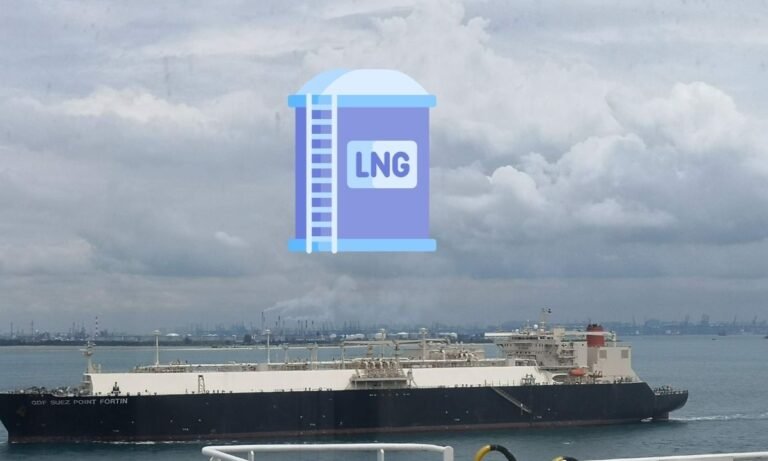
Still, European Union officials have emphasized their commitment to phasing out all Russian energy imports gradually to avoid disruption, with an official stance against resuming purchases even after the war in Ukraine concludes. Natural gas imports from Russia are expected to cease entirely in the coming year. Nevertheless, European nations have been significant buyers of Russian liquefied natural gas in 2026, comprising roughly 85% of global deliveries from Russia’s Yamal LNG project over the first nine months.
Significance for Pakistan and Regional Energy Dynamics
For Pakistan, developments in European energy supply chains highlight the complex geopolitics influencing global fuel markets. Pakistan relies heavily on LNG imports to meet its growing energy needs and is sensitive to price fluctuations driven by global supply and demand dynamics. Renewed flows of Russian gas to Europe could ease pressures on European markets, indirectly stabilizing LNG supply and prices internationally. Keeping a close watch on this situation could inform Pakistan’s own energy procurement strategies and diplomatic engagements in energy security forums.
“Restoring Russian gas to Europe through Ukraine presents both an economic opportunity and a diplomatic challenge,” noted energy analyst Irina Slav, highlighting the multifaceted nature of this proposal.