

Pakistan to Import Oil via Red Sea, Review Prices Weekly
Amid tension in Gulf region, government has planned to import oil through red sea from Saudi Arabia and United Arab Emirates (UAE) due to closure of Hormuz strait amid a plan to shifting to weekly oil prices review.
Sources told that government is currently working on different measures to ensure supply of oil amid Iran US Israel war.
Read More: Pakistan Awards 11 Oil & Gas Blocks
Pakistan imports one million barrels of oil on monthly basis and Saudi Arabia is a key oil exporter to Pakistan.
United Arab Emirates (UAE) also exports oil to Pakistan.
Sources said that UAE based firm ADNOC and Saudi Aramco will supply oil to Pakistan bypassing Hormuz strait.
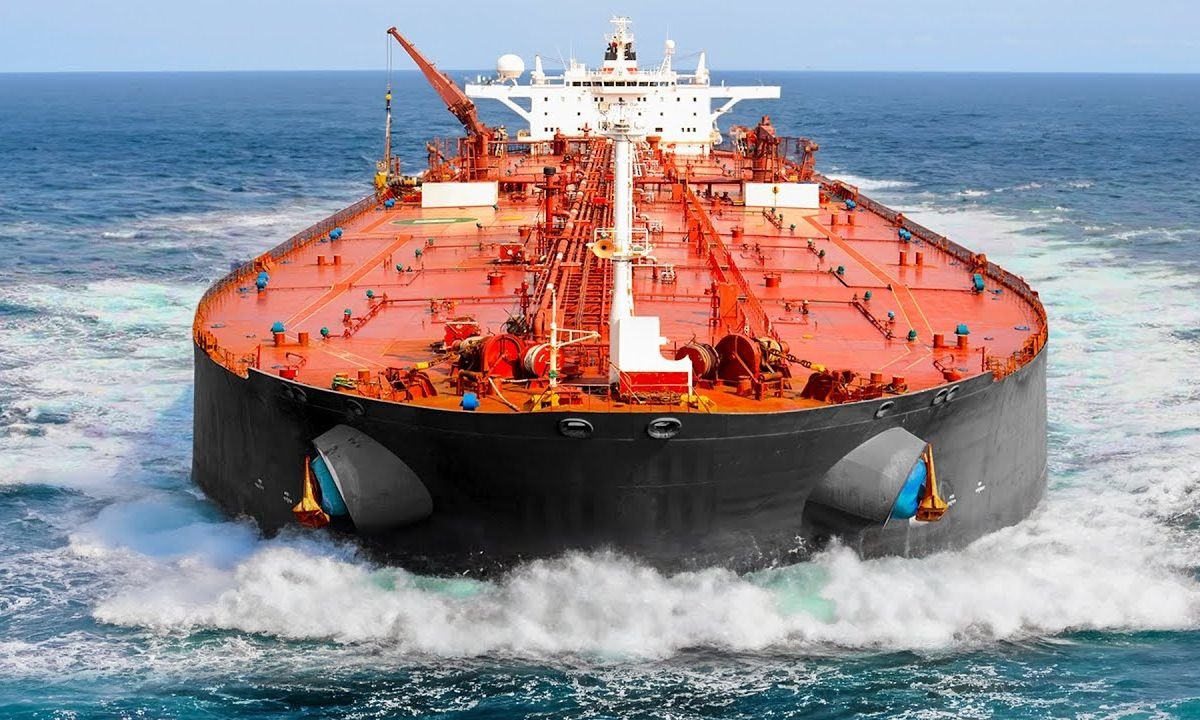
One refinery has already imported few ships through red sea bypassing Hormuz strait.
Couple of oil ships have reached Pakistan and some are on way to reach Pakistan.
In another measure, the government is going to take a decision in shifting oil prices review from existing fortnightly to weekly basis.
The objective of this measure is to discourage hoarding of petroleum products by petroleum dealers.
Sources also said that government was projecting Rs 50 per litre increase in oil prices following a recent war in Gulf region.
United States has been putting pressure on India to stop oil supplies from Russia.
Following war, India had taken oil cargoes from Russia in bulk to secure fuel supplies through red sea.
Now Pakistan also plans to get supplies from Saudi Arabia and UAE through red sea.
They said that oil cargoes of Pakistan National Shipping Corporation were in standby position to take supplies from Saudi Arabia and UAE
Oil and Gas Regulatory Authority (Ogra) has already managed high stocks of oil to meet 28 days requirement of the country following pre-emptive measures to import surplus fuel.
Due to the Iran-US and Isreal war, two cargoes of crude oil had been stuck now following closure of the Hormuz strait.
The strait is 21 miles (33 km) wide while offering the shipping lane and around a fifth of the world’s total oil consumption passes through it.
The Horumuz strait is used to ship over 20 million barrels of crude, condensate and fuels that was daily last year on average. OPEC members like Saudi Arabia, Iran, the United Arab Emirates, Kuwait and Iraq have been using this strait to export most of their crude mainly to Asia.
“However, we have managed a stock of petrol and diesel to meet country requirements,” Sources told adding that the country has stock of each product-petrol and diesel for 28 days.
Officials said that the regulator had also forecast the situation in January this year that middle east tension could lead to war between Iran-US and Israel.
“Therefore we had ensured to maintain a stock of oil over 25 days in January and 28 days stock in Feberuray by following surplus imports of fuel.
However, experts say that the entire world could face an oil crisis if the war sitaution continues for a week.
“Our two crude oil cargoes have been stuck due to closure of Hormuz strait,” sources said that remaining imports were scheduled later.
Petroleum Division had earlier directed the Oil and Gas Regulatory Authority (Ogra) to ensure availability of adequate stocks of crude and petroleum products (MS, HSD & LPG) in the country to avoid any supply disruption. The import of said products may also be tracked for timely deliveries given the emergent security situation in the gulf region.
The government on Friday had also assured the nation that Pakistan holds ample crude and petroleum product stocks and there is no cause for panic despite the emerging security situation in the Gulf region.
The assurance came during a high-level meeting jointly chaired by Federal Minister for Petroleum Ali Pervaiz Malik and Federal Minister for Finance Muhammad Aurangzeb.
The State Bank governor assured that there would be no delays in oil-related payments, enabling refineries and oil marketing companies to continue smooth import operations.
Oil markets had shifted focus to supply risks. OPEC+ had considered a significantly larger output increase following the oil supply threats.
Oil producing countries could increase production by 411,000 barrels per day in April, tahtwas triple the previously expected 137,000 bpd. The entire production could jump to a possible 548,000 bpd.
Saudi Arabia and the United Arab Emirates have already hiked exports in anticipation of disruption. Saudi crude shipments reached near three-year highs in February, while UAE Murban exports were set to rise in April. Combined exports from Iraq, Kuwait, and the UAE were going higher.
Iran produces around 3.3 million barrels per day and exports more than 2 million bpd. China is a key importer of oil from Iran.
Industry officials say that oil prices could jump manifold in the coming days if the OPEC countries do not increase production. The demand supply situation could create shortage and price hikes in the country.
Saudi Arabia is the world’s largest oil exporter that typically accounts for roughly 14–15% of global crude petroleum exports.
Industry officials say that the production cost of oil by these two countries-Saudi Arabia and Iran are cheaper compared to the other countries.
Therefore, they had the ability to disrupt the oil market. So, the distruption of oil from Iran could even result in higher oil prices and shortage of fuel products across the globe.