Gold Prices Fluctuate Amid Ceasefire and Rate Hike Concerns
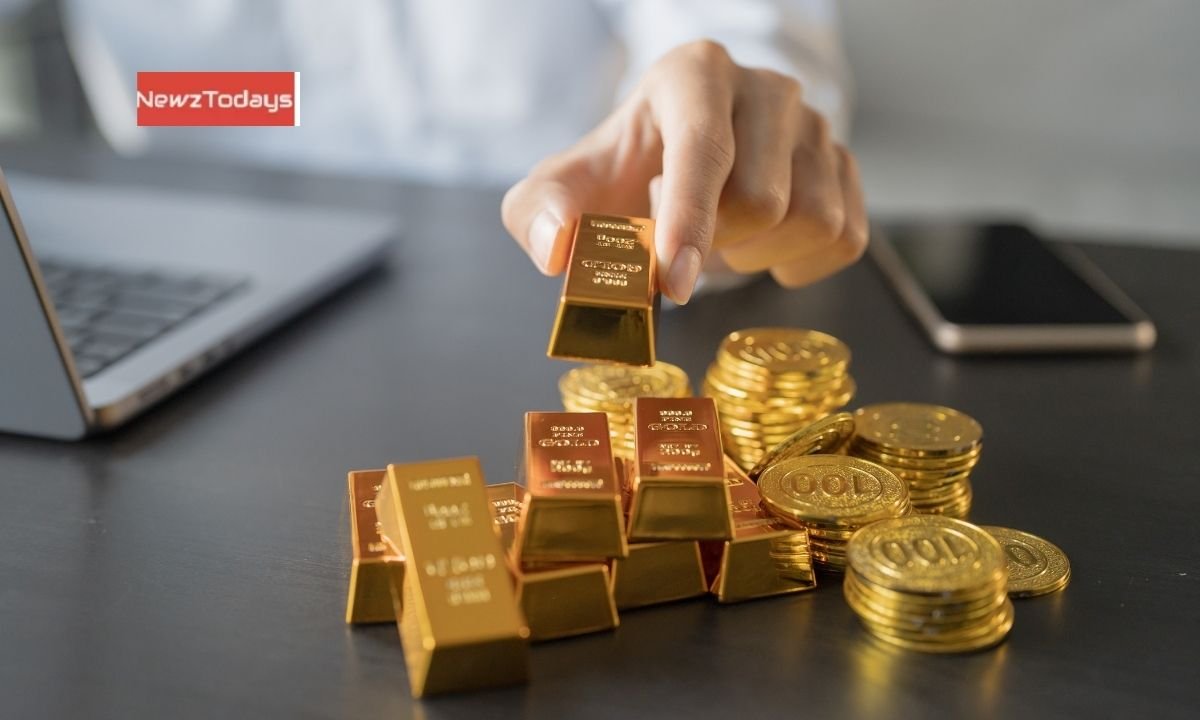
Gold prices experienced volatility on Monday, closing up by 1.08% at $4,525.34 per ounce, following announcements of a ceasefire agreement between Israel and Hezbollah. This optimism helped ease some geopolitical tensions that had supported gold’s appeal as a safe-haven asset since the outset of the Iran conflict in late February.
President Donald Trump’s announcement of progress toward halting hostilities in Lebanon raised hopes for de-escalation in the region. Trump highlighted Israel and Hezbollah’s agreement to halt attacks, a development that also saw Brent crude oil prices decline by 1.7% to $93.35 per barrel, and WTI crude futures dip to $90.65 per barrel. The easing in oil prices alleviated some inflationary worries which had been driving up gold’s value.
Despite the ceasefire news, the broader geopolitical environment remained uncertain. Iranian state media reported that Iran had suspended indirect communications with the United States in protest against Israeli military operations in Lebanon. The remarks suggested that the ceasefire could be fragile and at risk of falling apart unless military actions cease. The Lebanese Embassy in Washington confirmed that Hezbollah accepted a U.S.-brokered proposal for mutual cessation of attacks, with the understanding that Israeli strikes on southern Beirut suburbs would stop in exchange for Hezbollah’s abstention from attacking Israel, potentially extending to all Lebanese territory.
The conflicting developments underscored the delicate balance in global markets, especially as investors also prepare for upcoming economic data. Traders are closely watching the U.S. nonfarm payrolls report due Friday, with a consensus forecast of 95,000 jobs added and an unemployment rate holding steady at 4.3%. Market expectations currently reflect around a 39% probability of a Federal Reserve interest rate hike by December, according to CME Group’s FedWatch tool.
Gold’s gains were accompanied by a rise in silver prices, which increased by 1.59% to $76.17 per ounce, tracking gold’s modest recovery. The precious metals’ performance highlights investor caution amid unresolved geopolitical risks and domestic economic indicators influencing inflation and monetary policy expectations.
Ricardo Evangelista, an analyst at ActivTrades, noted that the fading optimism over U.S.-Iran negotiations regarding the Strait of Hormuz has led to a rebound in energy prices, which in turn heightened inflation concerns. These dynamics add complexity to the Federal Reserve’s decision-making and contribute to the mixed sentiment in commodity markets.
As the situation develops, market participants remain vigilant, weighing geopolitical risks against economic data and central bank policies in determining the trajectory of gold and other commodities.