Australia Greenlights Major Coal Project Extension Amid Climate Concerns
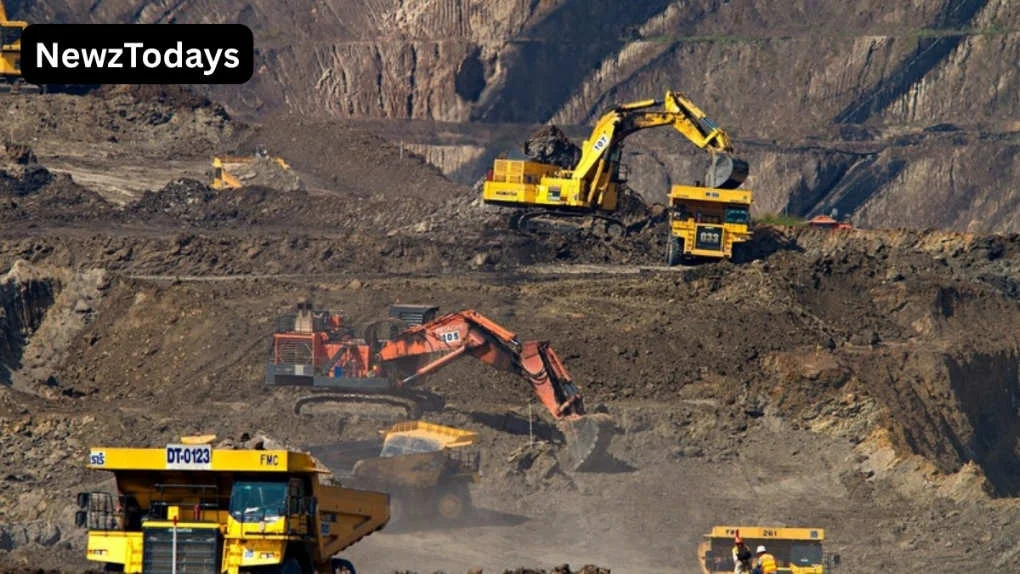
Australia has sanctioned a significant extension of one of its largest coal mining operations, the Hunter Valley Operations (HVO) Continuation Project, allowing coal extraction to continue until 2045. This decision comes despite the country’s commitments under the Paris climate agreement to reduce carbon emissions.
Extension Approved With Economic Priorities
The New South Wales Independent Planning Commission (IPC) gave the go-ahead for the project in September, unlocking approximately 429 million tonnes of coal across the North and South sites of the mine. The IPC acknowledged the environmental repercussions, estimating the project could emit 809 million tonnes of CO2 over its lifetime, adversely affecting local, state, and global climate efforts.
Nevertheless, the commission prioritized the economic advantages, emphasizing sustained employment, regional stability, royalties, and tax revenues. The project, contributing over $1 billion annually to the Hunter region’s economy, is viewed as vital for supporting local businesses and facilitating a gradual transition for workers and communities affected by shifts in the coal sector.
Controversy Amid Ongoing Climate Debate
While the extension received backing from key political figures such as Premier Chris Minns and Natural Resources Minister Courtney Houssos, it triggered opposition from environmental activists and some public segments. More than 10,000 public comments were submitted during the consultation process, with around 60 percent favoring the project. Climate advocates argue that approving long-term fossil fuel projects conflicts with Australia’s climate goals and undermines global efforts to combat warming.
The IPC maintains that the benefits outweigh the environmental costs, but opponents warn the decision risks exacerbating global warming. This contentious development arrives just weeks before Australia assumes a leadership role at the United Nations climate talks, COP31, raising questions about the country’s long-term environmental strategy.
Why It Matters for Pakistan
Australia is a major global coal exporter, and its policies significantly influence international energy markets, including those that affect Pakistan. Pakistan’s own energy challenges, including reliance on imported fuels and a growing demand for electricity, make the global coal market and international climate policies important considerations. As countries navigate the tension between development and sustainability, Australia’s decision highlights the complexities of balancing economic growth with environmental commitments—a dilemma Pakistan faces as it seeks to meet energy needs while addressing climate change.