Global Coal Demand Surges Amid LNG Supply Crisis
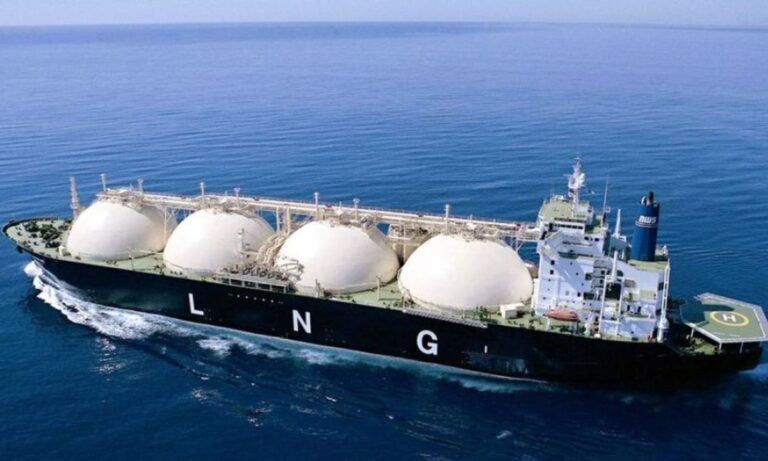
As liquefied natural gas (LNG) supplies from the Persian Gulf remain severely disrupted, global coal consumption is climbing sharply, driven by soaring gas prices and increasing heating needs ahead of winter. Energy markets in Asia and Europe have seen LNG prices spike dramatically, prompting a shift back toward cheaper coal imports.
Sharp Rise in Coal Use Due to LNG Shortages
LNG flows from the Persian Gulf have plummeted by more than 75% since February 28, sparking an unprecedented price surge. Asian spot LNG prices recently exceeded $26 per million British thermal units (MMBtu), while European gas prices topped €81 per megawatt-hour (MWh). In contrast, coal prices remain roughly 80% lower than LNG, making it an attractive alternative fuel source despite environmental concerns.
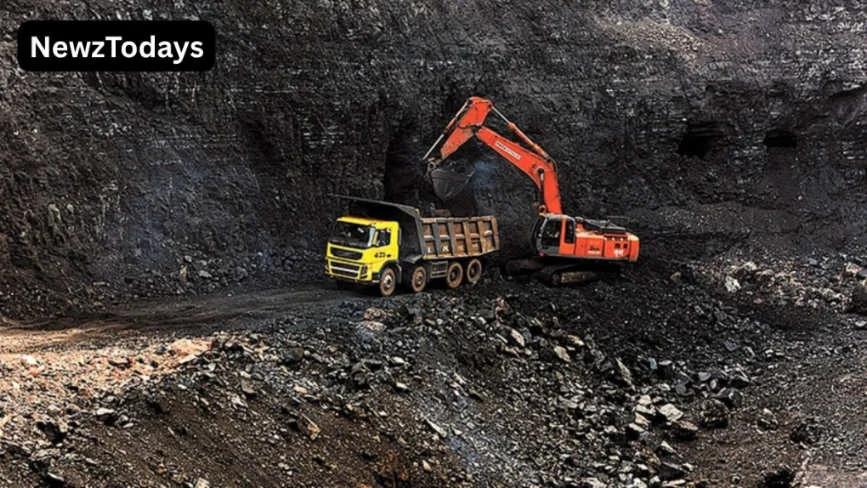
This price gap has pushed energy buyers in Asia and Europe to increase coal imports significantly for the upcoming peak heating season. Although coal has faced stringent climate regulations due to its high carbon dioxide and pollutant emissions, its affordability and availability continue to secure its place as a key energy source globally.
Record Coal Demand Forecasted in 2026
The International Energy Agency (IEA) has indicated that coal demand is on track to reach an all-time high this year, defying global efforts to transition away from fossil fuels. This uptick occurs even though many coal-fired power plants have been shuttered across Europe and North America, and new LNG infrastructure has been coming online.
Global coal exports, which had been declining earlier this year, may reverse course in the fourth quarter. Australian thermal coal, for example, now trades at a steep discount compared to LNG delivered to Asia, contributing to the resurgence in coal shipments. However, Asian buyers, especially in China, remain cautious and price-sensitive, only entering the spot market under favorable price conditions.
Implications for Pakistan’s Energy Sector
Pakistan, which heavily relies on imported LNG and coal for power generation, could be significantly impacted by these global energy market shifts. Rising LNG prices and supply disruptions could drive up fuel costs, exacerbating the country’s ongoing energy challenges and inflationary pressures.
Increased coal demand globally raises concerns about environmental and health risks that Pakistan also faces with its coal usage. Balancing affordability with cleaner energy policies will remain a critical issue for the country’s energy planners, especially as winter approaches and energy demand surges.
Toby Copson, Managing Partner at Davenport Energy, highlighted the structural challenge: “Asian demand remains highly price-sensitive, and with LNG supplies constrained, coal’s affordability dominates market decisions.” This dynamic underscores the complex interplay between energy security and sustainability priorities that Pakistan, like many other countries, must navigate.