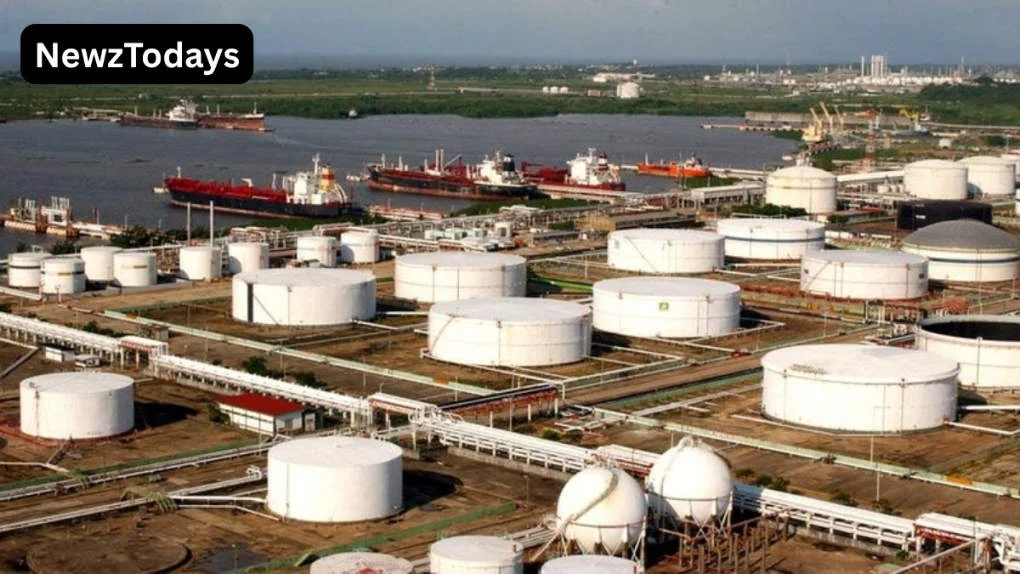
Oil Market Tightens Amid Tanker Attacks and Inventory Decline
The global oil market is experiencing increased pressure as tanker attacks near the Strait of Hormuz escalate and inventories continue to dwindle, pushing prices higher. Brent crude oil recently surged above $106 per barrel, reflecting growing concerns about supply disruptions and mounting demand for the coming year.
Rising Risks Impact Oil Supply Dynamics
Iran’s intensified assaults on oil tankers have heightened tensions in this strategically critical shipping lane, raising fears of further supply interruptions. Despite Gulf producers such as Saudi Arabia and the UAE restoring, and in some cases exceeding, their pre-conflict oil output levels through alternative routes like pipelines and ship-to-ship transfers, market participants remain wary. The involvement of Yemeni Houthi forces in targeting Saudi energy infrastructure adds complexity and uncertainty to the supply outlook.
Furthermore, major tanker tracking agencies, including Kpler and Vortexa, show transport volumes near pre-war conditions, yet the market’s underlying physical fundamentals suggest constrained availability of crude. This has diminished the calming effect of diplomatic statements or ceasefire attempts which earlier temporarily subdued price volatility.
OPEC’s Demand Forecast and Inventory Challenges
Adding to supply-side risks is OPEC’s recent projection, which anticipates a robust increase in oil consumption by 2.6 million barrels per day in 2027, signaling stronger global demand. Concurrently, global crude inventories have been shrinking rapidly, leaving little margin to offset any future shocks through strategic reserves.
In this context, previously influential political gestures, including President Trump’s diesel supply arrangement with Russia, have failed to stabilize markets or ease inflationary pressures in fuel costs. Analysts emphasize that current market forces outweigh political rhetoric, with fundamental supply and demand factors shaping the trajectory of oil prices.
Implications for Pakistan and Regional Energy Security
For Pakistan, the tightening oil market comes at a critical juncture amid its ongoing energy challenges. Higher crude prices translate into elevated import bills, exerting pressure on the country’s balance of payments and potentially driving up domestic fuel costs. This situation underscores the importance of diversifying energy sources and pursuing strategic partnerships to secure stable supplies.
The intensifying conflict surrounding maritime oil routes in the Middle East further highlights Pakistan’s vulnerability due to its reliance on imported hydrocarbons traveling through geopolitically sensitive corridors. As global inventories fall and risks remain elevated, the nation must consider contingency planning and enhanced energy efficiency measures to mitigate the impact of external shocks on its economy and consumers.
Irina Slav, an energy market analyst, noted, “The tightening of global oil markets is now driven by the harsh realities of supply constraints and geopolitical tensions, which no longer can be soothed by political statements alone.”