Qatar Proposes Long-Term LNG Supply, Power Plants to Lebanon
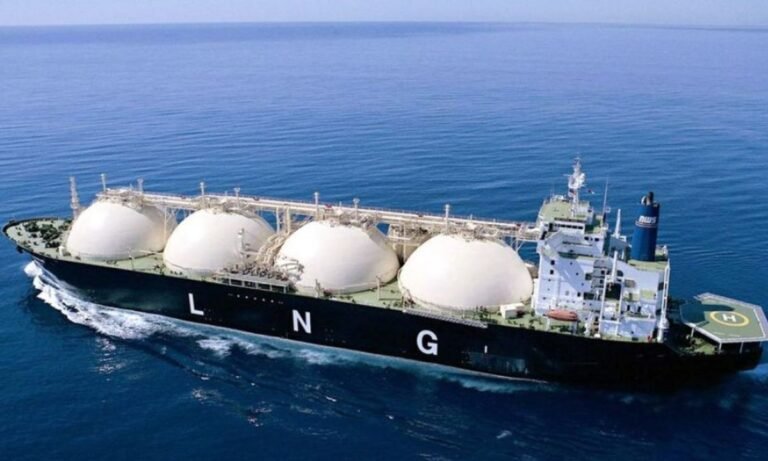
Qatar is presenting a comprehensive energy solution to address Lebanon’s chronic electricity shortages. Under a proposal revealed this week, QatarEnergy would finance, build, and supply two gas-fired power stations in Lebanon alongside a 20-year liquefied natural gas (LNG) delivery contract, offering relief without requiring upfront capital from the Lebanese government.
Details of Qatari Energy Initiative
The plan outlines the construction of two 825-megawatt combined-cycle gas plants in Lebanon, one located in Deir Ammar in the north and another in Zahrani in the south. QatarEnergy aims to supply the necessary gas via a floating storage and regasification unit with a capacity of 3.5 million cubic meters per day. Additionally, gas would be piped through Syria using the Arab Gas Pipeline at a rate of 4.5 million cubic meters per day.
Complementing the gas power infrastructure, the proposal includes renewable energy components: 800 megawatts of solar, 440 megawatts of wind energy, battery storage facilities, and 300 megawatts of electricity imports from Syria through two different routes. QatarEnergy and TotalEnergies plan to jointly develop the initial solar projects, marking a step towards diversifying Lebanon’s energy mix.
Strategic Significance and Implementation Timeline
This initiative is part of Qatar’s broader regional energy strategy, which also involves expanding power generation capacity in Syria. A consortium led by Qatar’s UCC Holding has concessions for 5,000 megawatts in Syria, including gas-fired and solar plants. The Lebanese program could be implemented within three years, contingent upon swift approvals from multiple governments.
Lebanon’s power utility currently struggles to provide power beyond a few hours each day, forcing widespread reliance on costly private diesel generators. With the Lebanese economy expected to contract by 6 to 7 percent this year, stable and affordable energy access is critical for economic recovery and social stability.
Implications for Pakistan and Regional Energy Dynamics
For Pakistan, an energy-deficient country itself, this deal underscores the growing importance of regional cooperation and LNG supplies in addressing power shortages. It highlights Qatar’s role as a pivotal LNG supplier, especially amid disruptions in major export routes like the Strait of Hormuz. Pakistan’s policymakers may find relevance in such models that combine private financing and diversified energy sources to alleviate similar energy crises.
Qatar’s approach of integrating gas-fired power with renewables and securing supply routes through geopolitically sensitive areas sets a precedent for countries seeking stable energy futures amid regional tensions and global supply uncertainties. As Pakistan faces its own challenges with costly fuel imports and electricity deficits, lessons from this agreement could inform future energy collaborations.
Prime Minister Nawaf Salam of Lebanon emphasized the significance of Qatar’s involvement, stating, “Qatar will finance, operate, and manage the entire project,” reinforcing international confidence in Lebanon’s energy revival.