
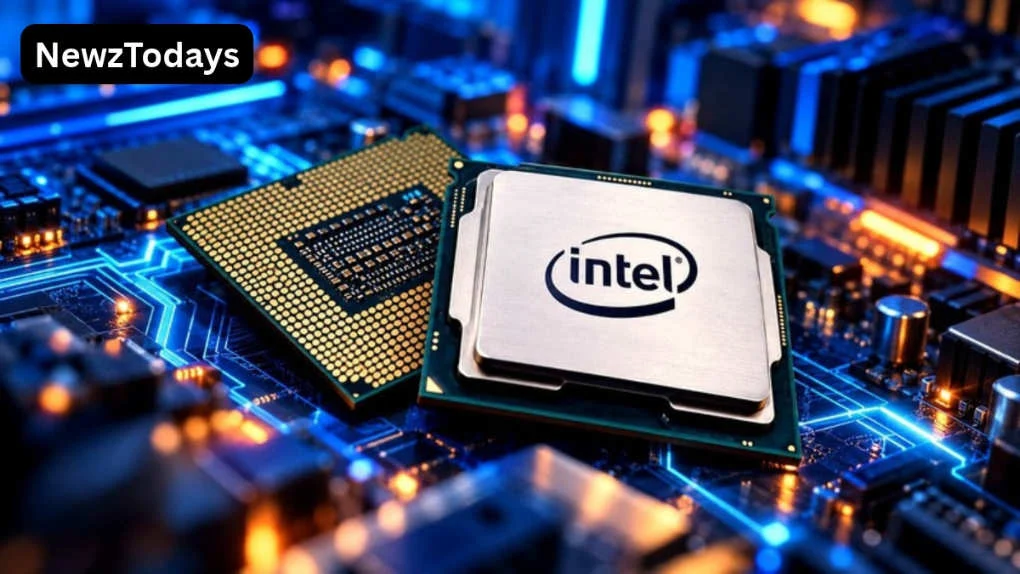
Intel Shares Drop 20% After Weaker Q4 Guidance
Intel’s stock experienced a sharp decline of more than 20% after releasing its Q3 2026 results, despite recording a robust revenue growth of 21% during the quarter. The chipmaker reported $16.5 billion in revenue, with its data center and AI-focused segment achieving a remarkable 78% increase, generating $7.3 billion.
Weak Fourth Quarter Forecast Weighs on Investor Confidence
Despite the strong third-quarter figures, Intel’s outlook for Q4 disappointed market expectations. The company projected revenues between $15 billion and $16 billion, substantially lower than analysts’ anticipated $17 billion. Moreover, adjusted earnings per share were reported at 25 cents, falling short of the projected 43 cents. This cautious forecast raised concerns about Intel’s near-term growth trajectory, especially given the memory shortage impacting the broader semiconductor industry.
Memory Chip Shortage Impacts PC Market and Production
The ongoing global shortage of memory chips has compelled PC manufacturers to limit production, leading to reduced demand for both laptops and desktops. Intel now foresees a 12% contraction in the PC market this year, followed by an additional 10% decline in 2027. CEO Lip-Bu Tan highlighted that rising memory costs have placed a cap on what manufacturers and consumers are willing to pay. He warned that the supply constraints and factory shutdowns have dampened results and that the shortage may intensify through next year.
This scenario has raised doubts over Intel’s turnaround strategy, which included raising $15 billion through equity sales earlier this year to capitalize on surging AI demand. While the AI and data center businesses showed strong growth, ongoing supply chain issues could challenge Intel’s ability to sustain momentum.
Implications for Pakistani Consumers and Tech Market
For Pakistani consumers and the domestic tech industry, this disruption signifies potential price hikes and limited availability of new laptops and desktops, exacerbated by the global memory shortage. As demand grows for AI-capable devices, the cost pressure may slow accessibility to advanced technology in Pakistan. Understanding these international supply dynamics is crucial for local manufacturers, retailers, and consumers planning purchases in the coming months.
Summarizing the situation, Lip-Bu Tan remarked to Bloomberg, “The memory prices increased significantly this year and the shortage will worsen in 2027,” underscoring the persistent challenges ahead.


