Investors Flock to Dangote Refinery IPO Amid Price Concerns
Nigerian conglomerate Dangote Petroleum Refinery has successfully closed its initial public offering (IPO), attracting demand reportedly three times the available shares. Valued at around $48.3 billion, the refinery’s public debut marks a significant moment for Africa’s industrial sector. However, investors are urged to weigh whether the current share price fairly reflects the business’s long-term profitability amid fluctuating refining margins.
Strong IPO Demand Highlights Investor Interest
The market response to Dangote’s IPO has been enthusiastic, with subscription levels far exceeding the target offer. This oversubscription suggests that investors are optimistic about the refinery’s growth potential and its strategic value in bolstering Nigeria’s energy independence. Yet, final share allotments and trading dates remain pending regulatory review, leaving some questions unanswered about the ultimate fundraising success.
Financial Performance Under Scrutiny
Recent unaudited figures for the first nine months of 2026 showcase robust financial performance, with revenues hitting $22.48 billion and net profit standing at $4.73 billion. Operating cash flows were reported at $3.68 billion, supported by $6.69 billion in cash reserves. Despite these impressive numbers, some analysts caution that the refinery’s profitability benefited from exceptionally high refining margins during this period, which may not be sustainable in the long term.
Dangote’s EBITDA margin for this timeframe was approximately 24.6%, a figure considerably above historical averages. This raises concerns that current earnings could normalize, potentially impacting future shareholder returns. The company’s ambitious plans include a capital expenditure budget of $11.8 billion through 2028, which further clouds projections of future free cash flow and dividend prospects.
Strategic Importance for Nigeria and Investors
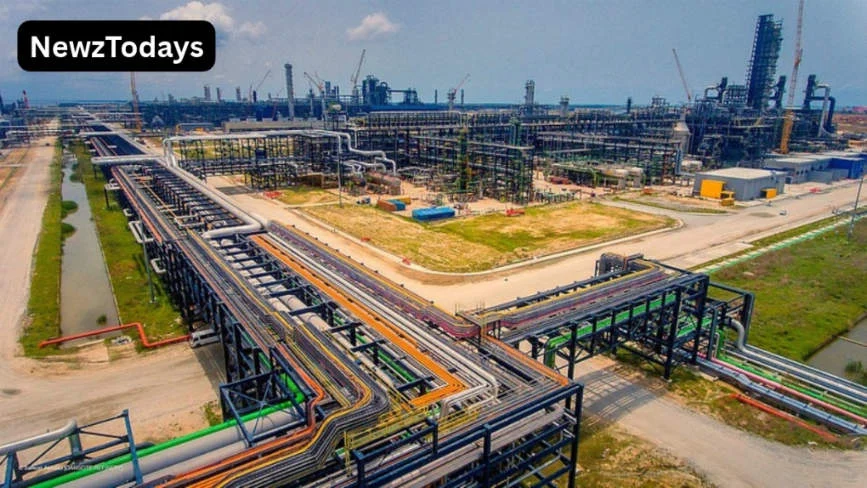
Beyond the numbers, Dangote Refinery holds enormous strategic relevance for Nigeria, a country that has long struggled with fuel import dependency. The refinery’s large-scale capacity of 700,000 barrels per day, complemented by petrochemical units and marine infrastructure, positions it as a potential game-changer for domestic fuel supply and export capability.
For the investors, the key challenge lies in balancing the refinery’s societal and strategic contributions with realistic expectations on profitability and returns. Cyril Widdershoven, senior maritime and energy analyst, noted, “Investors should clearly distinguish between temporary refining profits and sustainable earnings when assessing Dangote’s valuation.”
As Pakistan’s own energy sector explores avenues for boosting local refining and reducing import bills, Dangote’s IPO serves as an instructive case of the opportunities and risks in investing in large-scale energy infrastructure projects. Investors here must be vigilant in evaluating whether market enthusiasm is backed by solid fundamentals or susceptible to market cycles.