Samarkand Uzbekistan: Inside Amir Timur’s Silk Road Capital
Samarkand, the city Amir Timur made the capital of his empire, is one of the jewels of the Silk Road and a place with deep links to the history of South Asia. In this documentary, filmed on 29 May 2024, the NewzTodays video team joins a guided tour from Timur’s tomb to the tiled avenue of Shah-i-Zinda, a traditional paper workshop and an evening of Uzbek music and dance.
A city of 2,500 years
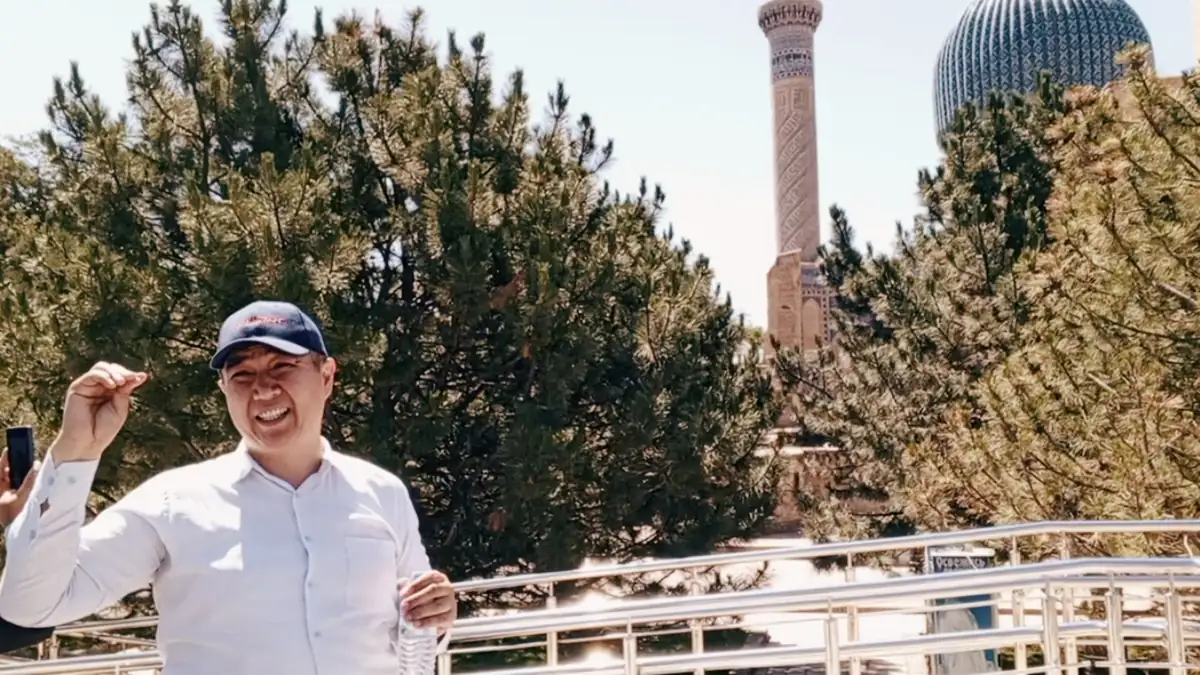
The tour begins in a pine-shaded park, with the minaret and ribbed blue dome of Gur-e-Amir rising behind the trees. Here our guide gives the group a short history of Samarkand. He describes it as a city of about 2,500 years, one of the great crossroads of the Silk Road, where caravans carrying silk, spices and ideas met between China, Persia and India. Historians trace the city’s founding to around the 7th or 8th century BC, when it was known as Marakanda, which makes it one of the oldest continuously inhabited cities in Central Asia.
“Samarkand – Crossroad of Cultures”
The title under which UNESCO added the historic city to its World Heritage List in 2001
Gur-e-Amir, resting place of Amir Timur
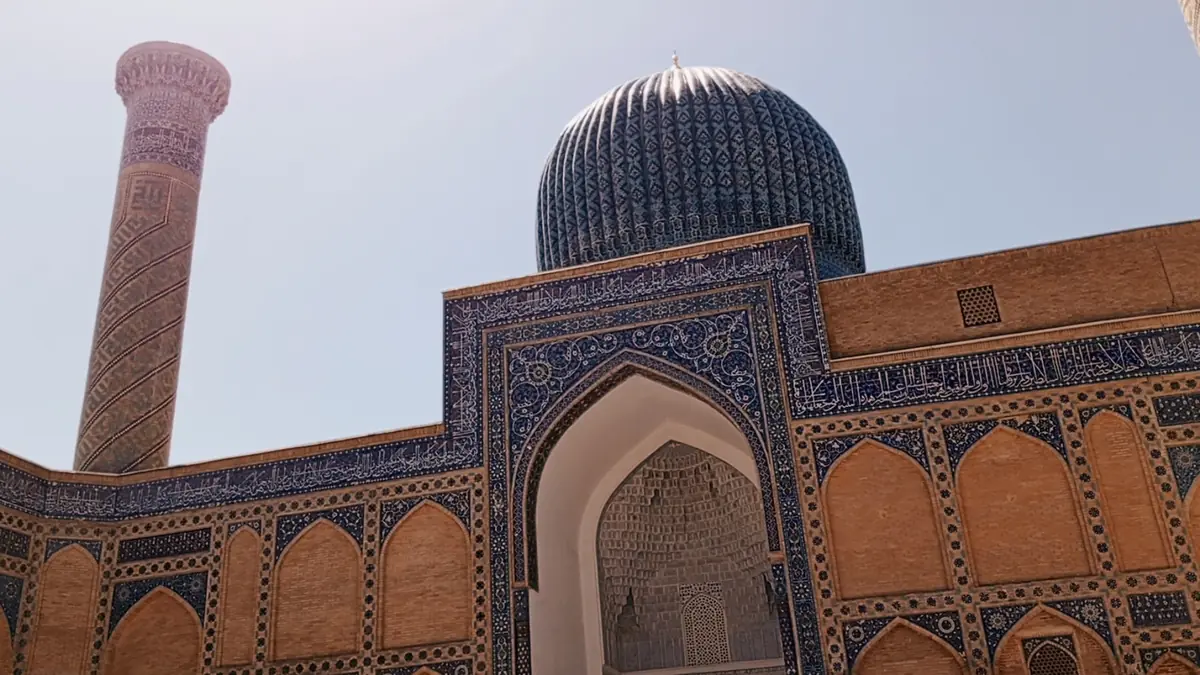
A short walk through the park brings the group to Gur-e-Amir, Persian for “Tomb of the King”. Work began in 1403 on a mausoleum for Timur’s favourite grandson and heir, Muhammad Sultan, who had died that year. When Timur himself died in 1405 he was buried here, and his grandson Ulugh Beg later turned the building into the family tomb of the Timurid dynasty. Ulugh Beg was laid to rest here too after his death in 1449.
For visitors from Pakistan the building has a special meaning. Babur, the founder of the Mughal Empire, was a direct descendant of Timur, and the ribbed double dome of Gur-e-Amir is widely seen as an ancestor of later Mughal tombs such as Humayun’s Tomb in Delhi and, ultimately, the Taj Mahal.
Ulugh Beg, the king who mapped the stars
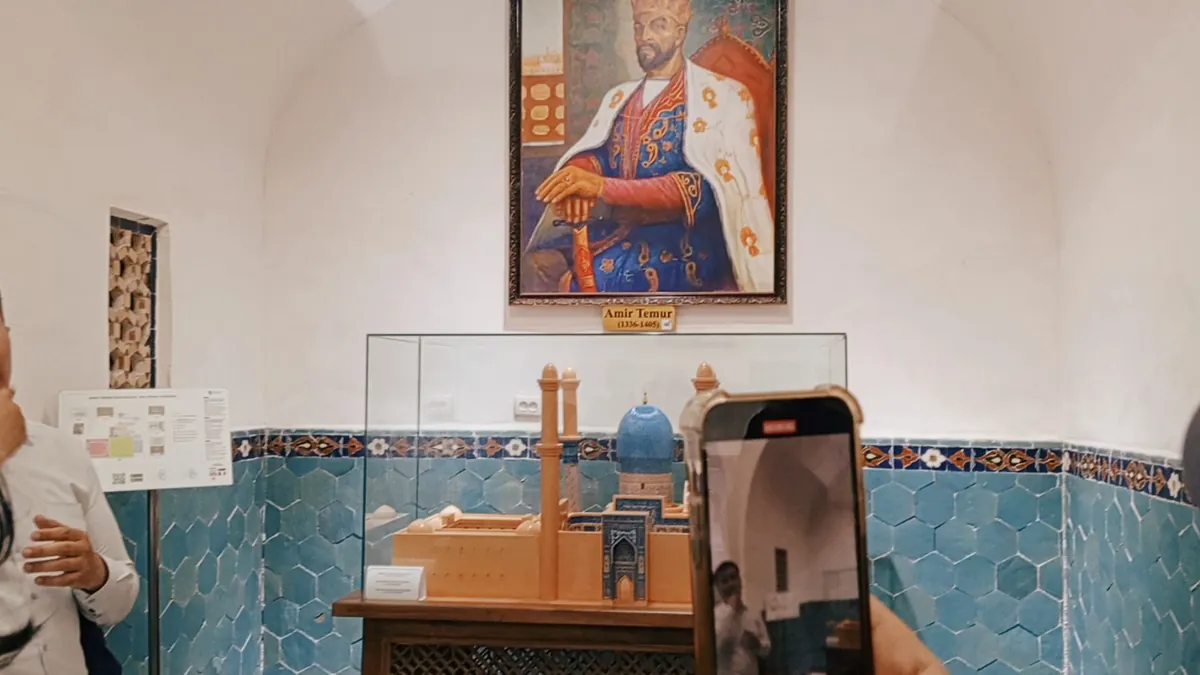
Inside the museum, a portrait of Ulugh Beg (1394–1449) hangs above a model of his observatory. A second guide explains how Timur’s grandson was both a ruler and one of the leading astronomers of his age. In the 1420s he built a huge observatory on a hill outside Samarkand, and his scholars produced a star catalogue, the Zij-i-Sultani, listing the positions of more than a thousand stars with remarkable accuracy for a time before the telescope.
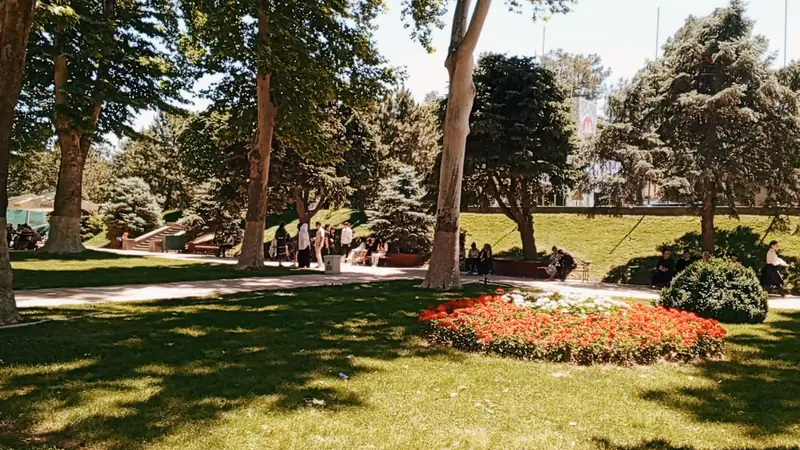
Between the monuments, Samarkand’s parks and flower beds offer welcome shade. Even in late May the city felt fresh and green, with wide, clean paths that are easy to explore on foot.
Shah-i-Zinda, an avenue of blue domes
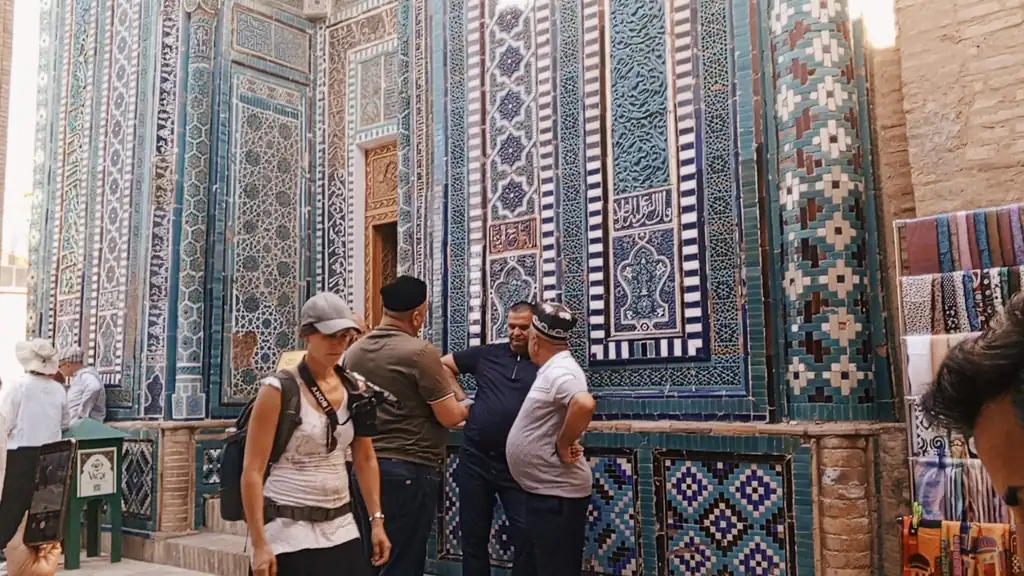
The spiritual heart of the tour is Shah-i-Zinda, “the Living King”. Tradition holds that Qusam ibn Abbas, a cousin of the Prophet Muhammad (peace be upon him), is buried here after bringing Islam to the region. Around his shrine grew a narrow avenue of mausoleums built between the 11th and 19th centuries, most of them from the Timurid era of the 14th and 15th centuries.
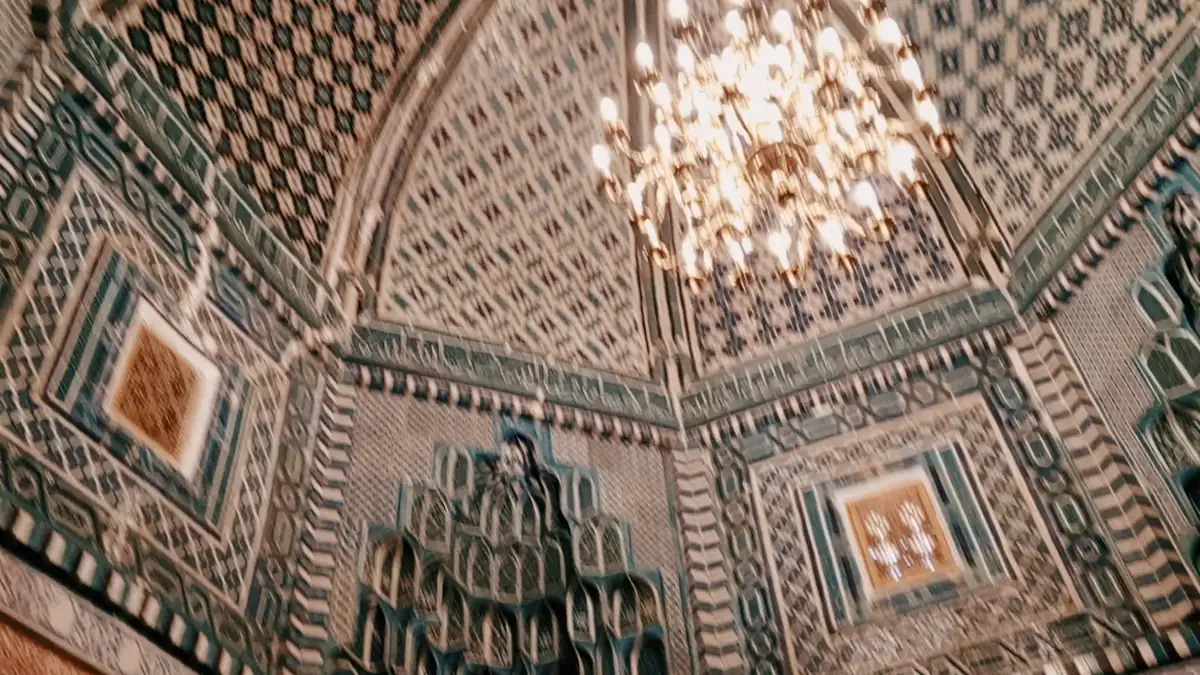
Every façade is covered in blue and turquoise tiles, and the domed chambers are just as rich inside. Shah-i-Zinda is an active place of pilgrimage, so visitors should dress modestly, and women usually cover their heads.
Samarkand paper, suzani and ceramics
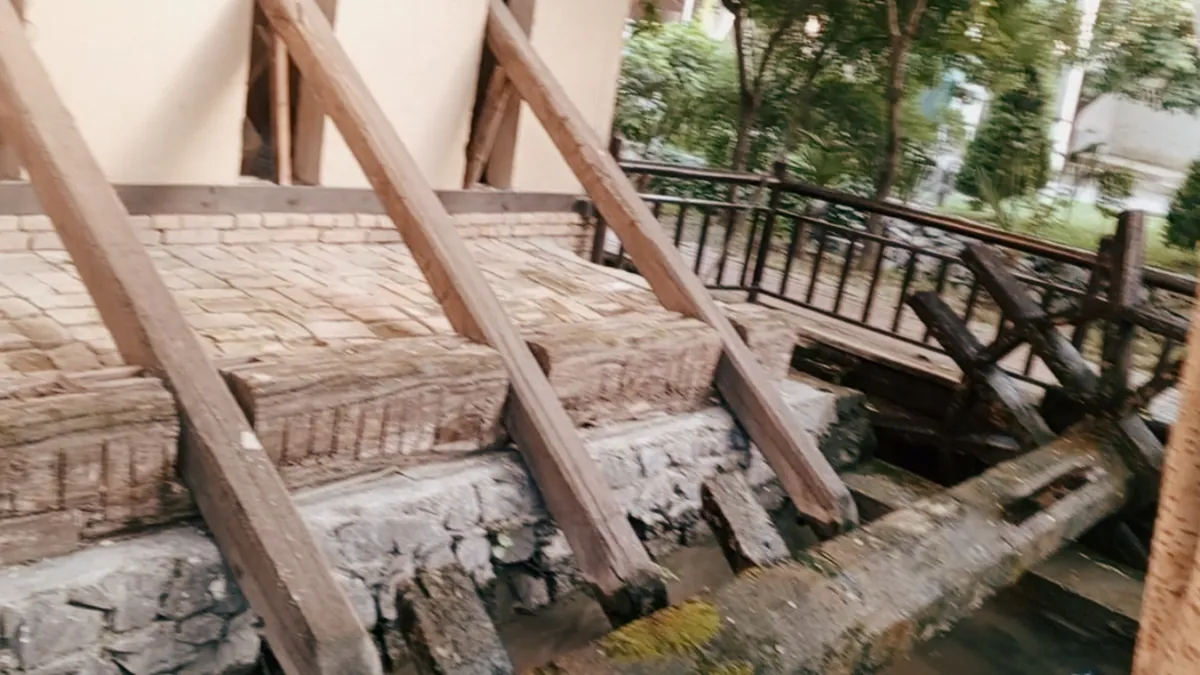
Next the group visits a traditional craft workshop, where water-powered wooden hammers still pound mulberry bark into pulp for Samarkand paper. Tradition holds that papermaking reached the city from China in the 8th century, and Samarkand paper was once prized across the Islamic world for its smooth, durable finish.
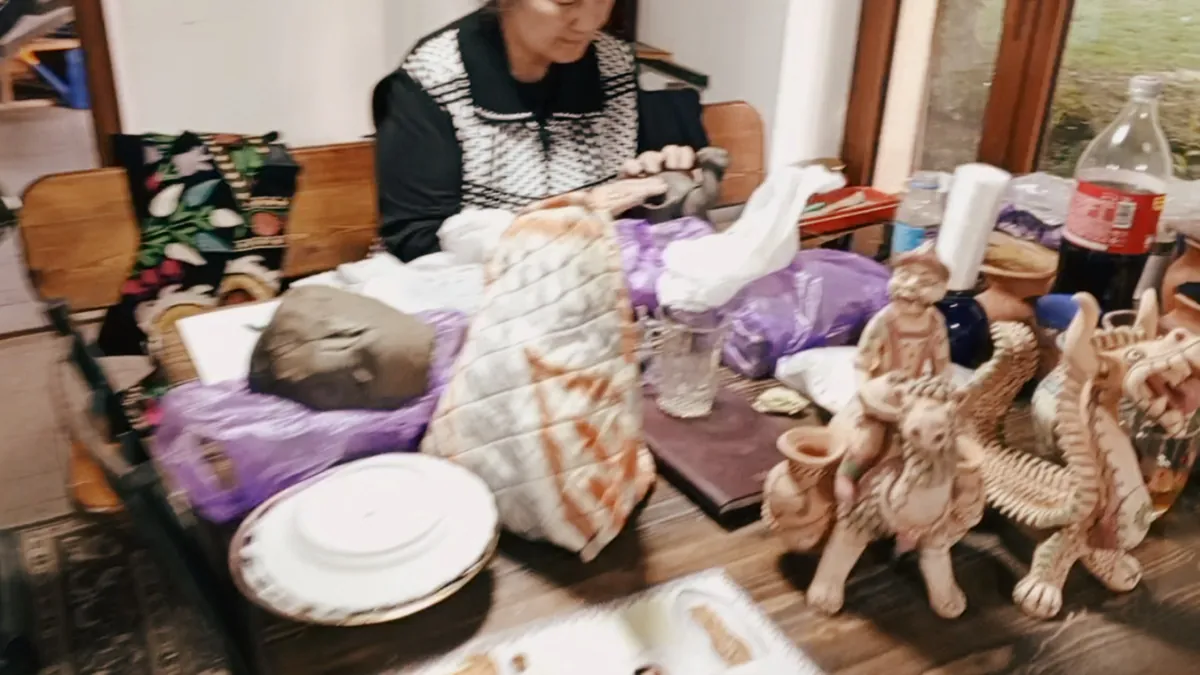
Nearby, women embroider suzani, the colourful hand-stitched textiles of Uzbekistan, where a single piece can take weeks to finish. Stalls of hand-painted ceramics, plates and clay figurines make good souvenirs. Bargaining is normal, so ask the price before you buy.
Uzbek music and dance
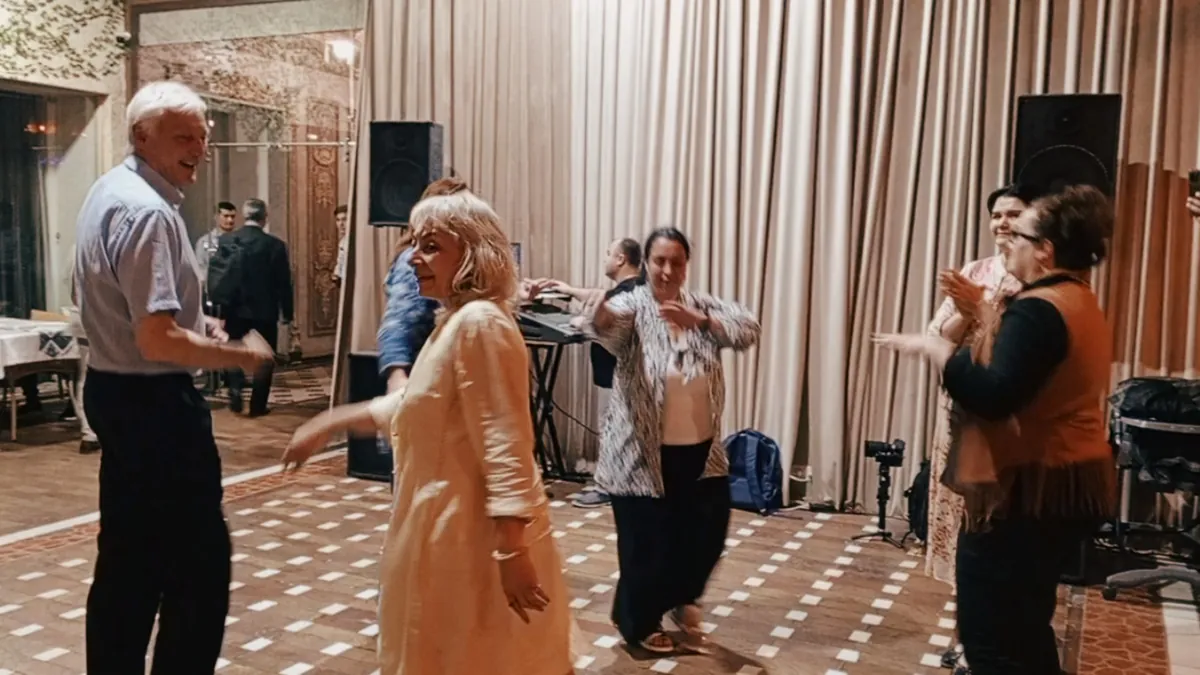
The day ends at an evening folk show, where musicians and dancers in traditional dress soon have the whole audience on its feet. It is a warm reminder of Uzbek hospitality and a lively finish to a day spent among some of the finest Islamic architecture in the world.
🇵🇰 🤝 🇺🇿 A shared heritage
Babur, who founded the Mughal Empire, was born in Andijan in the Fergana Valley of today’s Uzbekistan and traced his line to Amir Timur. That history lives on in the architecture of Lahore, Delhi and Agra. Six centuries later, the domes of Samarkand still speak to visitors from Pakistan as part of a history the two nations share.
Watch the full journey
Enjoyed this tour of Samarkand? Subscribe for more travel documentaries, and tell us in the comments which city we should visit next: Bukhara or Tashkent?
▶ Subscribe on YouTube