KP Unveils Green Rickshaw Scheme with 50% Subsidy
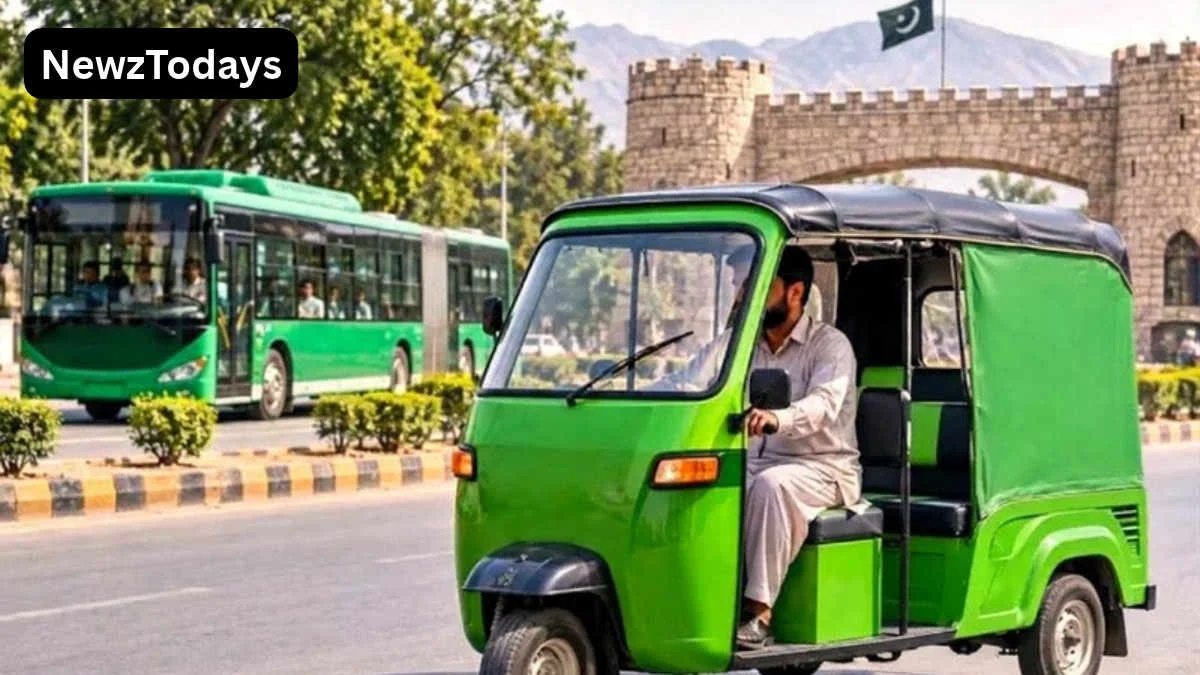
Khyber Pakhtunkhwa (KP) is set to introduce a new Green Rickshaw Scheme aimed at boosting employment and promoting eco-friendly transport in the province. Eligible applicants will receive rickshaws at half the cost, with the balance payable through installments over a four-year period.
Details of the Green Rickshaw Initiative
The scheme was revealed by Asif Rafiq, the advisor to KP’s governor responsible for Transport and several other departments, during a recent Transport Department meeting in Peshawar. This project aims to generate jobs for common citizens while encouraging the adoption of cleaner transport options throughout KP.
Under the plan, the provincial government will cover 50 percent of the rickshaw’s price upfront, reducing the financial burden on beneficiaries. The rest can be paid gradually over four years, making it accessible for low-income individuals who want to enter the transport business or upgrade their vehicles to environmentally friendly models.
Broader Reforms in KP Transport Sector
Alongside this subsidy programme, Mr. Rafiq emphasized the need for improved financial management and anti-corruption measures within the transport authorities. He urged the Peshawar Mass Transit Bus Service to adopt cost-cutting strategies and increase its target revenue to Rs2 billion annually, supporting the goal of making public transport services financially self-sufficient.
Additionally, the advisor highlighted the importance of developing effective traffic management solutions to tackle congestion issues during peak hours in Peshawar. He called for integrated efforts to modernize the entire transportation system, ensuring it is transparent and aligned with the needs of the public.
Why This Matters for Pakistan
KP’s Green Rickshaw Scheme is a significant step towards sustainable transport solutions in Pakistan, where vehicular emissions contribute heavily to urban pollution. By supporting the purchase of greener vehicles with subsidies, this initiative could reduce environmental harm and improve air quality in the region.
Moreover, the scheme offers an opportunity for many to build livelihoods in the transport sector amid economic challenges. It aligns with broader government objectives of enhancing public sector efficiency and generating employment through targeted subsidies.
As Pakistan continues to grapple with the dual challenges of pollution and unemployment, KP’s approach could serve as a model for other provinces seeking to balance economic development with environmental sustainability.
In the words of Asif Rafiq, “Modernizing the transportation system and making it environmentally friendly is a pressing requirement,” spotlighting the urgency of these reforms in KP.