
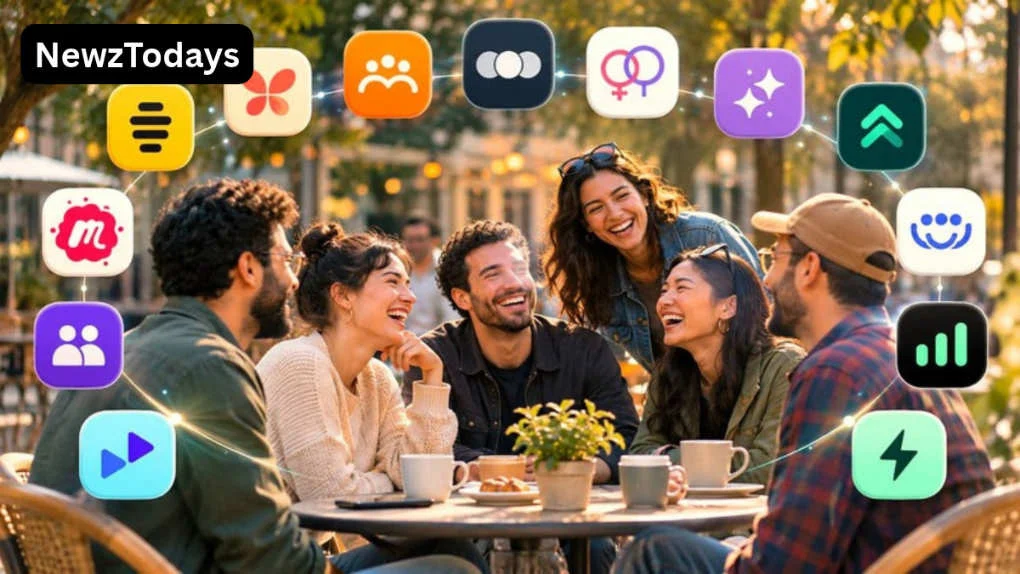
Friendship Apps Address Loneliness Crisis in 2026
Loneliness has emerged as a significant public health challenge, with social isolation affecting millions worldwide. In response, various friendship-oriented mobile applications are gaining traction in 2026, aiming to help users forge meaningful social connections.
Rise of Friendship Apps Tackling Loneliness
The US Surgeon General identified loneliness as a public health epidemic in 2023. Since then, over a dozen apps focused on establishing friendships have collectively attracted around 4.3 million downloads and generated approximately $16 million in consumer spending across the United States this year alone. These platforms especially appeal to remote employees missing workplace interaction and young adults building new social circles.
Unlike traditional dating apps, these friendship apps explicitly signal their purpose, making it clear they are designed for companionship rather than romance. The normalization of using apps for social connections helps reduce stigma and encourages more people to seek friendships digitally.
Popular Apps and Their Unique Approaches
Bumble BFF stands out among the leading services, having introduced friend-finding features in 2016 and evolving into a dedicated app in 2023. Its latest update enhances community building by focusing on group meetups. Timeleft takes a different path by organizing weekly group dinners where participants meet strangers matched by personality and limited profile details, with an after-party at a nearby bar.
Meet5, which recently expanded to the US from Europe, targets users aged 40 and above with group activities such as picnics and concerts. Meanwhile, apps like 222 limit access to curated events based on personality tests and a vetting process, charging a nominal participation fee. Specialized platforms cater to niche groups, such as Les Amis focusing on women and transgender individuals and Synchrony supporting neurodivergent adults with AI-assisted communication tools.
Group-oriented apps like Crowdier and Clyx facilitate connections between pre-existing friend groups, integrating event data to enhance social experiences in cities like Miami, London, New York, and Sao Paulo. Others, including Pie and Mmotion, leverage AI-driven compatibility quizzes and location tracking, respectively, to assemble compatible social groups around local events.
Why This Matters for Pakistan
As digital connectivity expands in Pakistan, the concept of using technology to combat loneliness is particularly relevant. With increasing urbanization, remote work, and changing social dynamics, Pakistani users may find friendship apps valuable for cultivating community ties and combating social isolation. Additionally, integrating such platforms could support mental health initiatives by facilitating accessible social interactions amid busy lifestyles.
Abdul Wasay, a technology analyst, underscores the growing importance of these tools: “Friendship apps have carved an essential niche by addressing a universal need — human connection — in a digital age.” With their diverse approaches and targeted demographics, these apps offer versatile solutions to a widespread problem, possibly inspiring localized versions tailored for Pakistan’s unique cultural fabric.
Related Stories
- Inkling 2 Mini: Advanced AI Model for Laptops Without Internet
- ADB Ventures Backs Pakistani Fintech Neem to Digitize B2B Payments
- SBP: Solarization Cuts Pakistan’s Net Energy Imports by $5.5B in FY26
- Kuwait Orders 516 Residents to Update Addresses Within 30 Days
- Understanding Punjab’s Winter Air Pollution and Smog Mitigation Efforts


