

Australia Feels Heat of Gulf War, Shuts Barossa LNG Plant
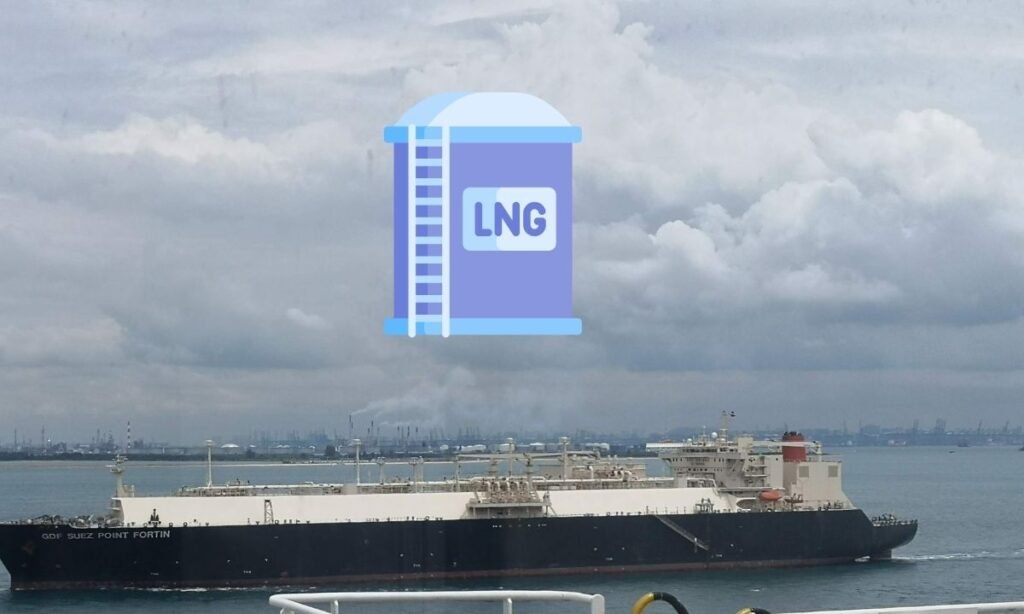
Santos shuts Barossa LNG and Darwin plant, tightening global gas supply amid Middle East disruptions and recent outages in Qatar and UAE exports.
Australian oil and gas producer Santos halted production at its newly commissioned Barossa LNG project on Tuesday, forcing a temporary shutdown of the Darwin LNG export facility and adding fresh strain to global gas markets already facing supply disruptions.
The company said the shutdown was required to replace equipment on the offshore production vessel supplying gas to the Darwin plant.
A spokeswoman confirmed the outage but did not provide a timeline for resumption of production or exports. The disruption comes just weeks after the Barossa project shipped its first liquefied natural gas cargo to Japan, marking its commercial start.
Read More: When Will Pakistan Resume LNG Imports from Qatar?
The Barossa LNG project is a key asset for Santos, designed to replace declining gas supply from the Bayu-Undan field that has historically fed the Darwin LNG facility. The project has a nameplate capacity of around 3.7 million tonnes per annum and is central to sustaining Australia’s LNG export volumes from the Northern Territory.
Australia remains one of the world’s largest LNG exporters, competing with Qatar and the United States. According to data from the International Energy Agency, Australia exported roughly 80 million tonnes of LNG in 2024, accounting for about 20% of global supply. Any disruption to Australian output tends to ripple quickly across Asian markets, particularly Japan and South Korea, which rely heavily on long-term LNG contracts.
The shutdown at Barossa coincides with an increasingly fragile global LNG supply system. Gas markets have tightened sharply following disruptions in the Middle East, a region that accounts for nearly one-fifth of global LNG exports. Analysts estimate global LNG shipments fell to a six-month low in recent days due to multiple outages and geopolitical risks.
Qatar, the world’s largest LNG exporter, has been the biggest contributor to the supply shortfall. Its Ras Laffan industrial complex, which handles the bulk of the country’s liquefaction capacity, has suffered extensive damage following reported missile strikes. QatarEnergy has indicated that lost production could cost the company around $20 billion annually and may take several years to fully restore.
The United Arab Emirates has also seen export constraints, with shipments unable to transit through the Strait of Hormuz amid escalating regional tensions. The waterway is a critical chokepoint for global energy flows, handling roughly 20% of the world’s oil and a significant share of LNG trade, according to the U.S. Energy Information Administration.
These overlapping disruptions have intensified competition for available cargoes, especially in Asia where LNG demand remains resilient. Japan imported approximately 65 million tonnes of LNG in 2024, while China’s imports rebounded strongly, rising over 10% year-on-year, according to customs data and industry estimates.
The timing of the Barossa outage is particularly sensitive given its role in stabilizing supply to the Darwin LNG plant. The facility, which has capacity of around 3.7 million tonnes per year, was already transitioning from legacy gas sources to Barossa feedstock. Any interruption risks contract delivery delays and could force buyers to seek alternative spot cargoes at elevated prices.
Santos has positioned Barossa as a cornerstone of its long-term LNG strategy. The project has faced regulatory scrutiny and environmental opposition in recent years, particularly over carbon emissions intensity. Despite these challenges, the company pushed ahead with development to secure future gas supply for Darwin LNG.
Industry analysts note that unplanned outages are not uncommon in newly commissioned offshore projects, particularly during early operational phases. Equipment replacement and technical adjustments are often required as systems stabilize under full production conditions. However, the lack of clarity on restart timing raises concerns about near-term supply availability.
Spot LNG prices in Asia have already shown volatility in response to supply disruptions. Benchmark prices have risen in recent weeks, reflecting tighter cargo availability and heightened geopolitical risk. Traders say additional outages could further amplify price swings, especially if combined with seasonal demand increases.
The broader LNG market has been undergoing structural shifts in recent years. The United States has expanded export capacity rapidly, becoming a leading supplier alongside Australia and Qatar. However, global demand growth has kept pace, driven by energy security concerns and the transition away from coal in several economies.
According to the International Gas Union, global LNG trade reached approximately 400 million tonnes in 2024, up from around 380 million tonnes a year earlier. The growth underscores the increasing importance of LNG in the global energy mix, particularly as countries seek flexible and lower-emission fuel alternatives.
The outage at Barossa highlights the vulnerability of supply chains to both technical issues and geopolitical shocks. With multiple disruptions occurring simultaneously, market participants are closely monitoring developments in Australia and the Middle East for signals on supply recovery.
Santos has not indicated whether the shutdown will affect its production guidance or contractual obligations. Market watchers expect further updates as the company assesses the scope of repairs and timelines for resuming operations.
The incident adds to uncertainty in global gas markets already navigating tight supply conditions and geopolitical instability. Any prolonged disruption at Barossa could further tighten LNG availability in Asia and support higher prices in the near term, reinforcing the strategic importance of projects like Santos’ Barossa LNG in the evolving global energy landscape.