

Auto Sector Warns Against Used-Car Imports
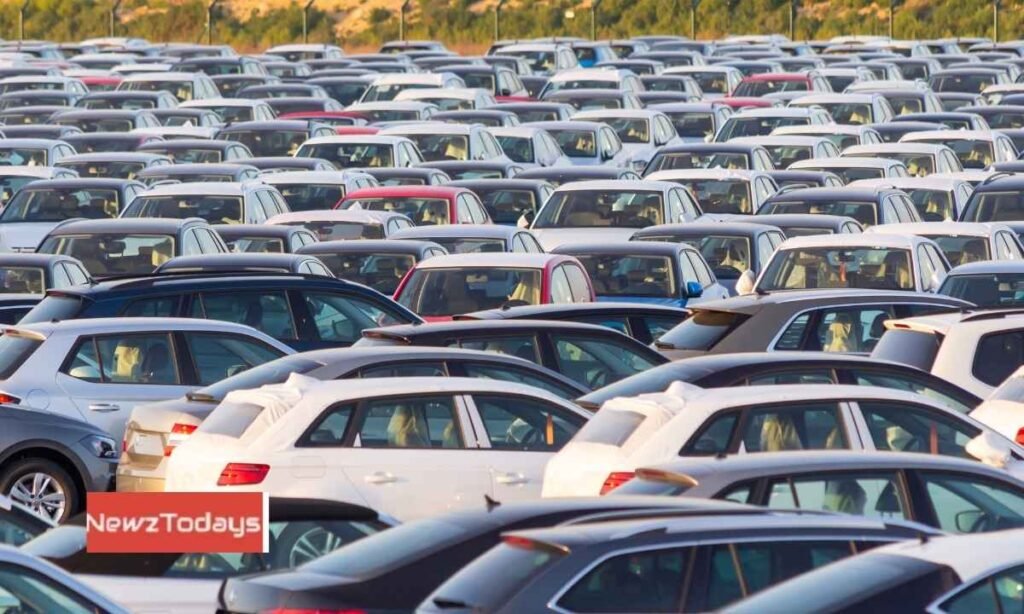
The auto industry in Pakistan has warned that continued encouragement of used-car imports could weaken one of the most important industrial sectors.
The industry contributes 2 percent to GDP, provides 2.5 million direct jobs, and supports nearly 5 million livelihoods through its vendor and dealership network.
According to the details, in FY25, the sector paid Rs 700 billion in taxes, amounting to 6 percent of national revenue.
It has attracted around USD 5 billion in foreign direct investment over two decades and saves about USD 150 million annually through localisation and import substitution.
Despite this economic role, the industry is now at the centre of new tax and tariff changes linked to Pakistan’s commitments to the International Monetary Fund.
As the government pursues a revised tax target of Rs 13.981 trillion and aims for 3.5 percent GDP growth, easing used-car imports is being viewed as a quick way to generate revenue.
Read More: NexGen Auto Electric Vehicle Plant Begins Early Production
Measures to support this approach have already been included in the 2025–26 budget. Industry representatives say the policy could cause long-term harm.
They report that in the first eight months of FY24, an influx of used vehicles led to a Rs 45 billion loss for local manufacturers, forcing companies to reduce production and consider layoffs.
They fear a repeat of earlier periods when shifting policies and rising demand for used cars undermined localisation efforts.
With work underway on the Auto Policy 2026–31, manufacturers are urging the government to strengthen tax administration and support domestic production.
They argue that stable policies are essential to protect jobs, attract investment, and move Pakistan toward exporting vehicles rather than relying heavily on imported used cars.