

Blood Donations Plunge in Ramzan, Putting Lives at Risk
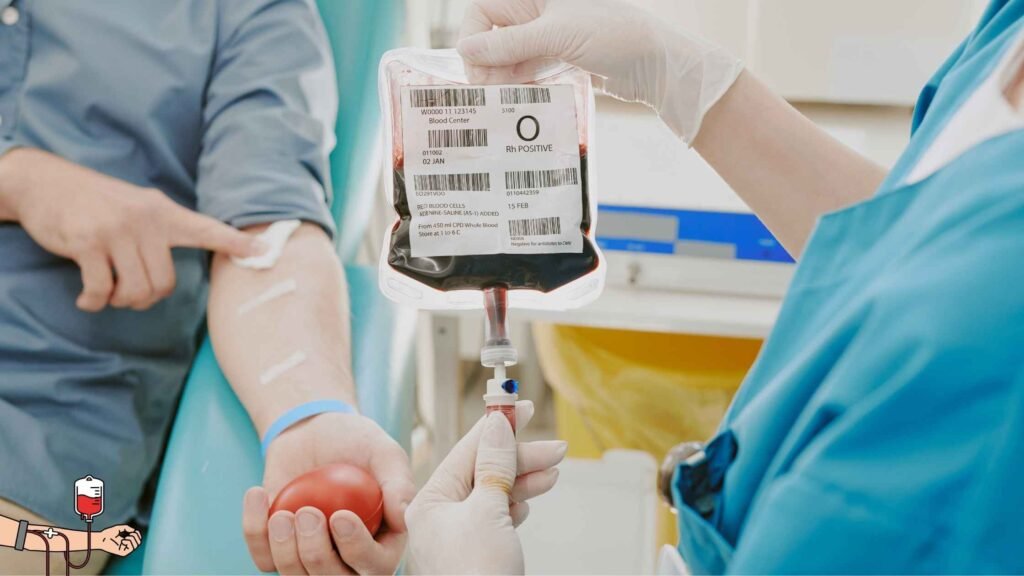
Blood donations in holy month of Ramzan plunges which puts the lives of thousands at risk. This is a month when lives of thousands of people relies on blood donation. There have been victims of serious road accidents, women requiring surgery during childbirth, and over 100,000 thalassaemia patients, who need blood transfusions every month in Pakistan,
But blood donations drop drastically during the holy month of Ramzan, putting the lives of thousands at risk, health experts have warned.
In view of the sharp decline in voluntary blood donations during Ramzan, which places thousands of thalassaemia patients in danger, the Sindh Blood Transfusion Authority (SBTA) has announced a province-wide voluntary blood donation campaign, including a first-ever government-led mega blood donation drive to be held in Karachi on February 16.
Read More: Concerns Raised Over Sehat Card Hospital Listings
Addressing a press conference at the Karachi Press Club on Saturday, Secretary Sindh Blood Transfusion Authority Dr Dur-e-Naz Jamal warned that the recurring shortage of blood during Ramzan creates a life-threatening situation for children suffering from thalassaemia, many of whom require regular transfusions to survive.
She said there were around 17,000 registered thalassaemia patients in Sindh alone, and any disruption in blood supply directly endangered their lives.
“Every year, during Ramzan, blood donations decline sharply as many people avoid donating while fasting. The demand, however, does not decrease. This shortage places thalassaemia children and other critically ill patients in grave danger,” Dr Jamal said, adding that families of affected children often struggle desperately to arrange blood during the holy month.
She said the mega blood donation drive would be held at the Maritime Museum, Karachi, from 10am to 10pm, describing it as the first such large-scale drive organised under the Sindh health department. The objective, she said, was to build adequate blood reserves ahead of Ramzan to prevent acute shortages during the month.
Dr Jamal appealed to colleges, universities and young people across Sindh to participate in the campaign and donate blood voluntarily in the spirit of humanity. “One bag of blood can save up to three lives. The blood you donate can help keep three thalassaemia children alive,” she said.
The SBTA secretary said blood cannot be stored for more than 30 days, making regular voluntary donations essential to sustain supplies. She also pointed out that screening during blood donation helps detect five infectious diseases, with hepatitis C being the most commonly identified infection, underlining the importance of safe and screened blood for transfusions.
She added that donors participating in the campaign would be given medals and certificates by the SBTA to encourage voluntary blood donation and recognise their contribution to saving lives.
Karachi Press Club Secretary Aslam Khan assured the SBTA of the media fraternity’s support for the campaign and said journalists would also participate in the donation drive.
Representatives of blood banks and welfare organisations, including Dr Saqib Ansari of Umeed-e-Sehar Foundation and Syed Muhammad Mehdi Rizvi of Muhammadi Blood Bank, urged young people to come forward in large numbers to ensure that thalassaemia patients and other needy patients do not suffer due to blood shortages during Ramzan.
Health experts say Pakistan’s blood transfusion system continues to rely heavily on replacement donors, and voluntary blood donation remains low, particularly during religious fasting months. They warn that without sustained public participation and institutional support, seasonal shortages will continue to put vulnerable patients, especially children with thalassaemia, at risk.