
Controversy Surrounds New Net Metering Policy in Pakistan
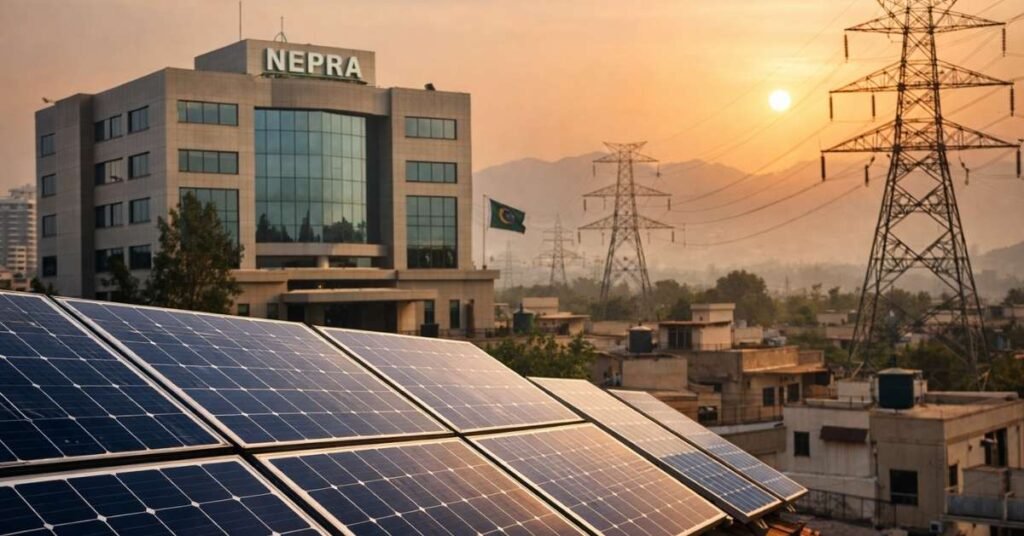
The leader of the Pakistan People’s Party, Senator Sherry Rehman, has criticized NEPRA’s regulations, claiming they punish citizens who provide clean and affordable electricity.
Federal Minister for Energy defended the new net metering policy, stating it has saved 35 million poor people, although only 466,000 consumers currently benefit from it.
The previous net metering rates burdened poor consumers with over 200 billion annually, and the new policy aims to alleviate that.
According to reports, Rehman argues that the government’s actions reflect a lack of genuine concern for the public, as past administrations have also failed to prioritize the welfare of citizens.
The current government, despite its claims of benevolence, has left the nation in significant debt, with citizens struggling to pay off foreign loans amidst rising inflation.
Read More: Higher Electricity Costs Haunt Pakistan’s Poor
Concerns have been raised by various political figures regarding the treatment of solar energy investors. Senator Rehman stated that NEPRA’s regulations are unfair to those who invested in solar energy based on prior assurances.
PPP leader Nadeem Afzal Chan accused the government of defrauding solar system investors, while former Finance Minister Miftah Ismail noted that solar consumers would now receive lower compensation while facing higher electricity costs.
Former Federal Minister Fawad Chaudhry criticized the government for increasing electricity rates and ending solar net metering, which he claims has financially harmed consumers.
The business community has also expressed strong opposition to the new net metering policy, urging a review to avoid favoring Independent Power Producers (IPPs) at the expense of traders.
The federal energy minister appears optimistic that traders will still find profitable opportunities under the new rates, highlighting discounts for domestic consumers using up to 200 units.
He claims these reforms are in the public interest, saving the nation billions by renegotiating contracts with IPPs, which have historically profited from unfavorable agreements made by previous governments.
Consumers remain the most affected by these government decisions, as IPPs have continued to earn substantial profits while consumers pay high electricity rates.
The government controls key resources like petroleum products, electricity, and gas, which have seen price increases contributing to inflation and unemployment.
To address electricity shortages, the (N) League government has provided financial benefits to IPPs and implemented a new net metering policy.
However, this has led to decreased demand for IPP electricity and increased political pressure to revise the policy, leaving solar electricity sellers feeling betrayed.
Political leaders are labeling the new net metering policy as deceptive, further eroding public trust in the government.
The previous administration’s policies had already diminished confidence, and the new changes may deepen skepticism towards the (N) League government.
Historically, incoming governments have rejected their predecessors’ policies, harming the country’s international reputation and deterring foreign investments.
With the new metering policy, industrialists are disillusioned, and the middle class fears further policy changes, further undermining the government’s credibility.