
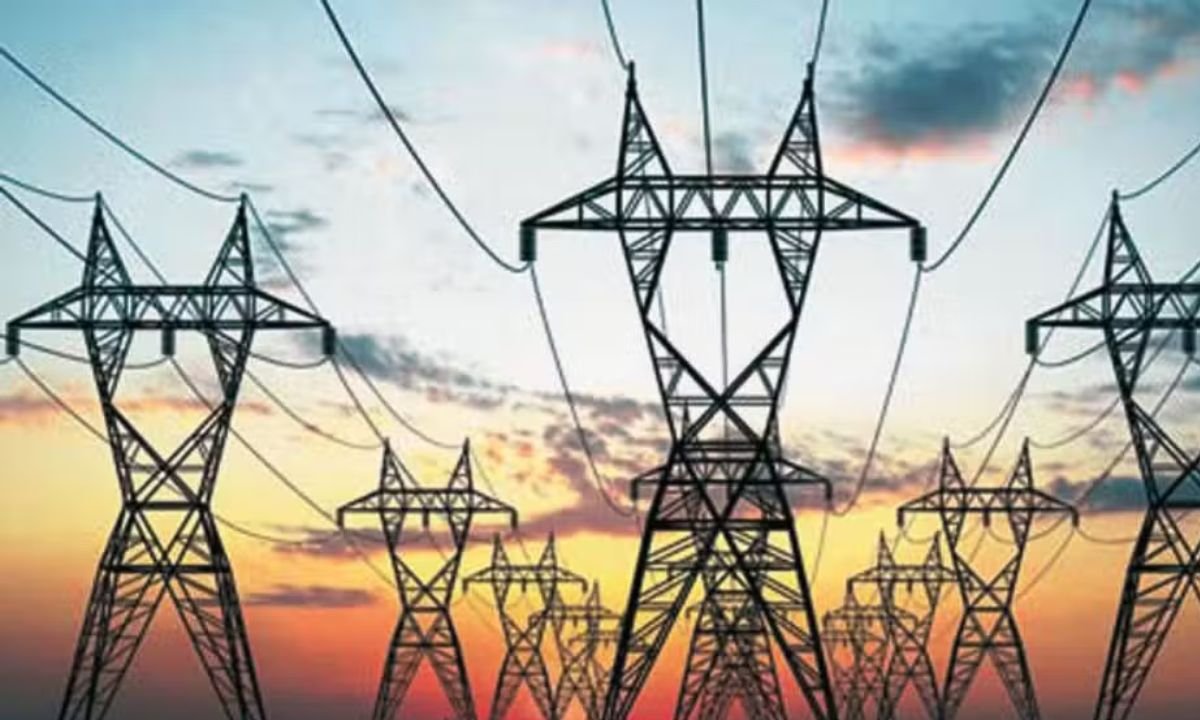
Electricity Supply, Not Metals, Limits AI Growth
As the artificial intelligence (AI) industry rapidly expands, the critical bottleneck is shifting from a shortage of essential metals to the availability of electricity. While much attention has been given to the acquisition of metals like lithium and cobalt needed for AI hardware, the demand for reliable and abundant electrical power to run data centers and AI operations is emerging as the primary constraint.
Canadian investor Kevin O’Leary emphasized the importance of securing low-cost and stable electricity supply for data center projects during a recent interview. He highlighted BitZero, a company he supports strategically, for its unique position in leasing power to data centers and cryptocurrency miners. BitZero’s control over gigawatts of power capacity, combined with ownership of land in strategic locations, provides a competitive advantage as demand for AI computing power surges globally.
Tania Tsoneva, head of infrastructure research at CBRE Investment Management, one of the world’s largest real estate investment firms, underscored the urgent need for new power capacity to accommodate AI growth. Partnerships between hyperscale operators and infrastructure owners who already hold land, permits, and power contracts enable quicker deployment of AI hardware. This approach circumvents lengthy development processes, allowing faster scaling of AI compute capability.
The energy sector, therefore, is becoming a crucial player in the AI revolution. Unlike precious metals, electricity directly powers the operations driving AI advancements, and having access to abundant, affordable power is now a decisive factor for success in the market. As traditional safe-haven investments like gold and silver have surged in price amid geopolitical and economic uncertainty, some institutional investors have turned their focus to energy infrastructure assets that generate steady cash flows and support AI and related technologies.
This shift reflects a broader trend where the AI boom is increasingly tied to energy availability rather than raw material scarcity. The ability to provide electricity at scale to AI data centers will determine which companies can meet the world’s growing computational needs. Investments in energy capacity, infrastructure, and real estate are now at the forefront of strategic decisions within the AI ecosystem.
In summary, the future of artificial intelligence development hinges not only on securing critical metals but more significantly on overcoming the electricity supply challenge. Entities with ready access to low-cost power and strategic locations are set to lead the AI expansion in the years ahead.
Related Stories
- Qatar Plans Swift LNG Restart After Hormuz Reopens
- Solar Panel Price in Pakistan Today: Latest Rates, Brands and City-Wise Prices
- OPEC Oil Production Hits Lowest Since 2000 Amid Middle East Tensions
- SPEC To Invest $4.5B To Set Up Refinery in Balochistan
- Pakistan Customs Ensures Uninterrupted LPG Imports Through Gabd-Rimdan Border