

Gold complicates Pakistan’s economic outlook
Surging gold prices are widening Pakistan’s import bill and distorting investment flows as policymakers grapple with external account pressures and currency volatility.
Gold’s record rally is adding fresh strain to Pakistan’s fragile economic recovery, complicating the external account outlook and shifting domestic investment patterns as the rupee remains under pressure.
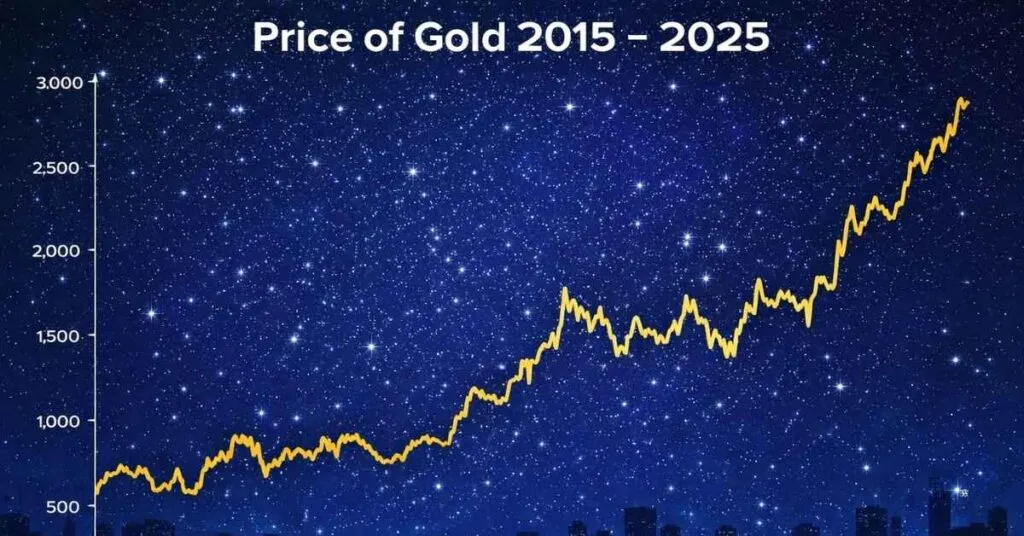
International bullion prices have surged past $2,300 per ounce in recent months, driven by geopolitical tensions, central bank buying and expectations of monetary easing by the U.S.
Federal Reserve. The rally has filtered quickly into Pakistan’s local market, where per tola prices have repeatedly hit historic highs, according to data released by the All Pakistan Sarafa Gems and Jewellers Association.Gold Prices Fall Sharply in Pakistan
The spike has come at a delicate time for policymakers. Pakistan is operating under a $3 billion standby arrangement approved by the International Monetary Fund in 2023, aimed at stabilizing foreign exchange reserves and restoring fiscal discipline.
According to the State Bank of Pakistan’s latest monetary policy statement, foreign exchange reserves remain modest relative to external financing needs, despite recent improvements in the current account balance.
Gold imports form a relatively small but volatile portion of the import basket. However, analysts say sustained high prices can inflate the import bill and widen trade pressures if volumes remain steady.
Pakistan’s total imports stood near $53 billion in FY2023, according to the Pakistan Bureau of Statistics, with the trade deficit narrowing due to administrative curbs and compressed domestic demand. Any rebound in non-essential imports, including bullion, risks reversing those gains.
At the same time, rising gold prices reflect deeper investor caution. In periods of inflation and currency weakness, households traditionally move savings into bullion and jewelry.
Pakistan’s inflation averaged above 20% during FY2023, according to official data, eroding purchasing power and pushing savers toward perceived safe havens. The rupee’s depreciation against the dollar over the past two years has further amplified the local price surge.
The trend complicates monetary management. When domestic investors shift from bank deposits to physical assets like gold, liquidity conditions can tighten.
That dynamic may undermine efforts by the State Bank to steer credit growth and anchor inflation expectations. Policymakers have kept the benchmark policy rate elevated in recent quarters to contain price pressures and stabilize the currency.
Globally, central banks have been net buyers of gold, adding another layer to price momentum. The World Gold Council reported that official sector purchases reached multi-decade highs in 2023, underscoring bullion’s renewed strategic appeal.
Emerging market central banks, in particular, have increased reserves diversification amid geopolitical fragmentation and dollar volatility.
For Pakistan, the gold rally presents a mixed picture. Higher prices boost the value of private holdings and can support remittance-linked jewelry demand from overseas Pakistanis.
Yet they also intensify pressure on the external account if import volumes rise and strain household budgets when jewelry becomes more expensive.
Market participants in Karachi’s bullion market say trading volumes have fluctuated as buyers weigh elevated prices against inflation fears. Some consumers are deferring purchases, while speculative demand remains sensitive to global cues.
The broader economic context remains fragile. The government is pursuing fiscal consolidation under IMF oversight while seeking to revive growth after a contractionary phase.
According to the Finance Ministry’s latest outlook, GDP growth is projected to recover gradually, supported by improved agricultural output and easing supply constraints.
Still, persistent global uncertainty and commodity volatility pose risks. Oil prices remain sensitive to Middle East tensions, while gold continues to react sharply to shifts in U.S. interest rate expectations.
For policymakers balancing external stability and domestic recovery, gold’s surge underscores how global financial currents can complicate Pakistan’s macroeconomic picture further.