Govt Continues Existing Mechanism of Deemed Duty for Refineries
Aftab Ahmed
The government has decided to continue the existing mechanism of “deemed duty”, subject to proposed modifications in new amended refinery policy to attract $6 billion investment in upgradation projects.
The Inland Freight Equalisation Margin (IFEM) mechanism will also continue for now, though authorities plan eventually to replace it with an appropriate structure by separating various adjustments, including those relating to sales tax.
The government has asked local refineries to accelerate their multibillion-dollar modernisation plans under the amended Brownfield Refining Policy, setting a six-year timeframe for completion while offering an additional incentive to refiners that complete upgrades within three years, sources said.
Petroleum Minister Ali Pervaiz Malik conveyed the federal cabinet’s decision at a meeting with the heads of the country’s refineries, directing them to finalise and sign their upgrade agreements at the earliest.
Read More: Petrol, Diesel Sales Surpass Refineries’ Output in Sep 2025
The meeting was attended by Petroleum Secretary Hamed Yaqoob Sheikh, Additional Secretary Petroleum Zafar Abbas, Attock Refinery Limited (ARL) Chief Executive Officer Adil Khattak, National Refinery Limited (NRL) CEO Asad Hasan, Cnergyico PK Limited (CPL) Vice Chairman Usama Qureshi, Pak-Arab Refinery Limited (PARCO) Managing Director Irteza Qureshi and Pakistan Refinery Limited (PRL) Managing Director Mohsin Mangi.
Officials said the minister informed refinery executives that the cabinet had approved changes to the Pakistan Oil Refining Policy for Upgradation of Existing (Brownfield) Refineries, 2023, aimed at removing hurdles that had delayed the signing and implementation of upgrade agreements.
Under the decision communicated to the industry, the overall project implementation period will be reduced to six years, however the incentive to continue for seven years. Refineries that complete their upgrade projects within three years will be entitled to an additional benefit of 0.5%, providing an incentive for early completion.
Malik emphasised that all refineries should move quickly to conclude their upgrade agreements and expressed the government’s desire that the agreements be signed in the presence of Prime Minister Shehbaz Sharif.
He directed the Petroleum Division and refinery managements to settle outstanding issues and finalise the agreements as soon as possible.
The decision follows consideration of amendments to the brownfield refining policy by the Cabinet Committee on Energy (CCoE). According to the cabinet decision, the period available to refineries for signing upgrade agreements with the government has been reduced from 90 days to 60 days.
The revised framework also provides that the dispute-resolution mechanism incorporated in upgrade agreements or other related agreements will comprise Pakistani institutions and will be governed by Pakistani law.
Refineries that do not sign the upgrade agreements, as well as those that have defaulted on already signed agreements, will face penalties without exception, according to the decision.
A significant institutional change approved under the revised policy relates to the role of the Oil and Gas Regulatory Authority (Ogra). The Petroleum Division will remain responsible for signing and implementing refinery upgrade projects instead of Ogra.
Ogra’s role will be confined to its statutory mandate as a regulator, while non-regulatory functions envisaged for the authority under the original 2023 brownfield policy will either be performed by the Petroleum Division itself or through alternative institutional arrangements.
The government has additionally directed the State Bank of Pakistan to consider developing a policy allowing refineries to retain foreign exchange, subject to consideration by the Economic Coordination Committee of the cabinet.
The Petroleum Division has also been tasked with formulating a policy to encourage the establishment of a naphtha cracker plant in Pakistan and ensuring effective implementation of the amended brownfield policy in coordination with ministries, organisations and other stakeholders.
The government plans to showcase the amended brownfield refining policy internationally to attract foreign investment into Pakistan’s refining sector, including through roadshows in Saudi Arabia, Qatar, Oman, Kuwait and other Middle Eastern countries as well as Azerbaijan and Türkiye.
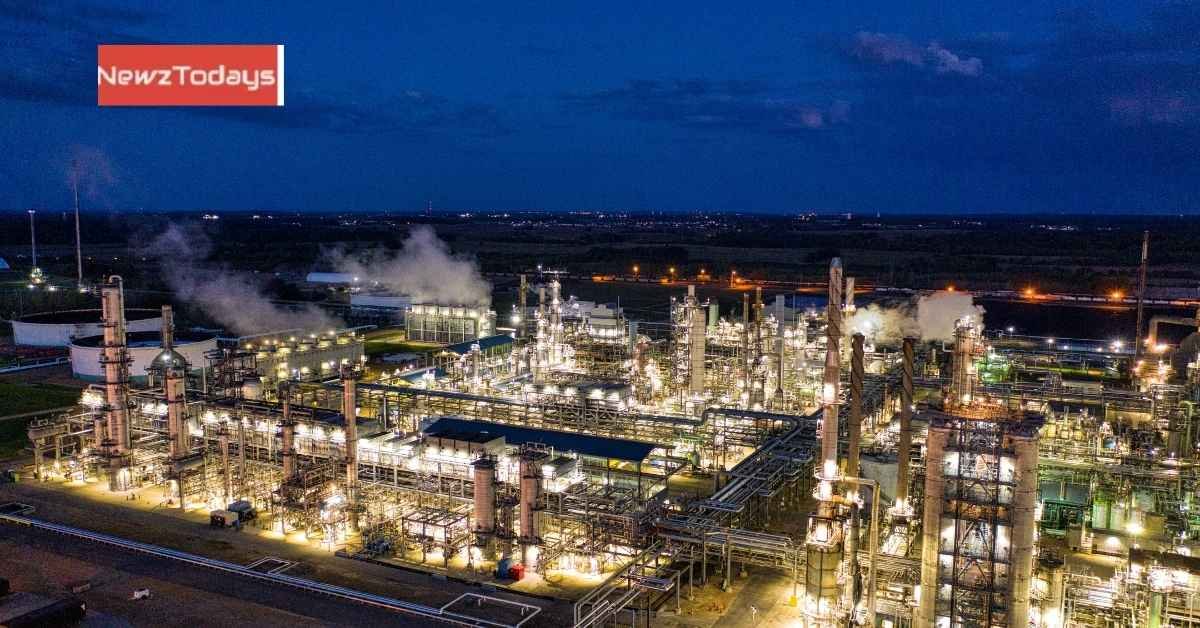
The brownfield policy is considered critical for unlocking large investments by Pakistan’s existing refineries to modernise ageing plants, improve the production slate and produce cleaner fuels conforming to higher environmental standards.