

Govt orders SBP to ease SME credit, tackles tax, energy woes
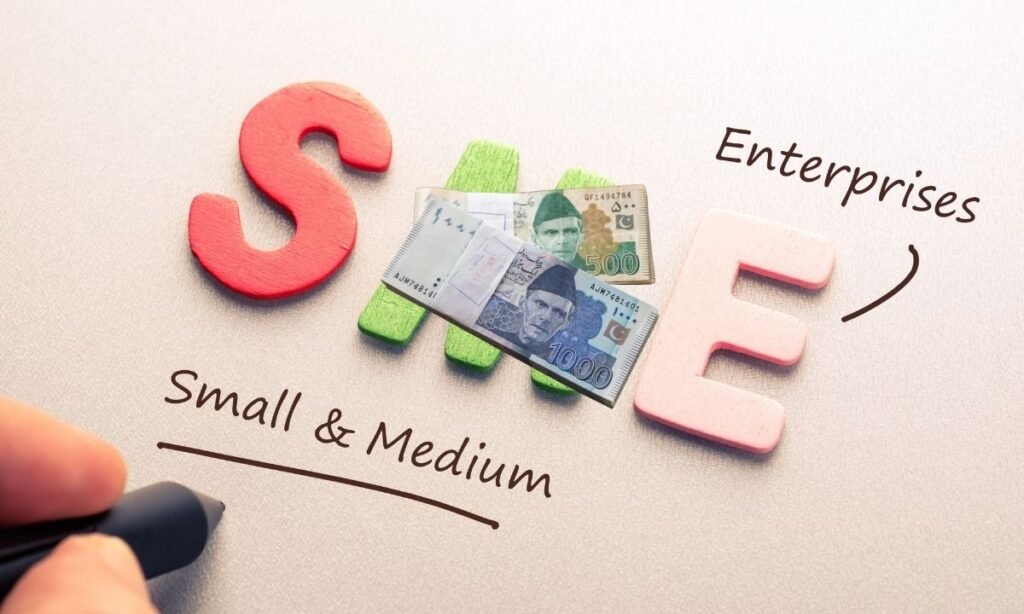
The government on Saturday directed State Bank of Pakistan (SBP) to urgently resolve the credit crisis affecting small and medium enterprises. The move follows complaints from SME representatives over limited access to bank credit, burdensome taxation and high energy costs.
Read More: Haroon Akhtar Warns EPZA: No More Fires, No More Negligence
In a meeting with the Small and Medium Enterprises Development Authority (SMEDA), the Haroon Akhtar Khan — Special Assistant to the Prime Minister on Industries & Production — noted that SMEs are “the engine of Pakistan’s economy.” Attendees, including SME-cluster delegates from Sialkot and officials from SMEDA, demanded shifting SMEs to a fixed-tax regime, citing need for simpler, more predictable taxation.
The SME delegation cited sharply rising electricity prices and scant banking support as major hurdles. Particularly, exporters in the surgical instruments industry flagged lack of an accreditation laboratory as a serious obstacle for global market access.
In response, Haroon directed SBP and SMEDA to prioritise removing credit barriers for SMEs. He also said the government is working on a fixed-tax regime for SMEs. As part of an incentive package, tariff reductions on electricity will be tied to higher industrial power consumption — aiming to ease cost burdens for manufacturing SMEs.
Officials were instructed to draft a comprehensive support plan for SMEs — including export-ready accreditation labs via SMEDA and Trade Development Authority of Pakistan (TDAP). The plan must be ready before the next review meeting.
The latest SBP reforms already revised Prudential Regulations to boost SME lending. These aim to eliminate structural financing barriers, encourage banks to provide more credit, and allow fintech and non-traditional lenders to support SMEs.
SMEs remain a critical backbone of Pakistan’s economy — accounting for nearly 80 percent of non-agricultural employment and around 40 percent of GDP. Yet they currently receive only about 6–7 percent of total private-sector bank credit, far below the sector’s share in economic output.
The government’s renewed push — combining credit support, energy-tariff easing and simpler taxation — could help revive struggling SMEs. Whether this leads to a real turnaround depends on swift implementation and follow-through by SBP, SMEDA and banks.