Chairman Economic Policy and Business Development (EPBD) think tank Gohar Ejaz has warned that Pakistan is standing at a crossroads between “competitiveness or stagnation” as crippling interest rates, soaring energy costs and heavy taxation continue to suffocate industrial growth.
Ejaz said Pakistan’s economic model has become fundamentally uncompetitive, with key input costs “roughly double” those of neighboring countries.
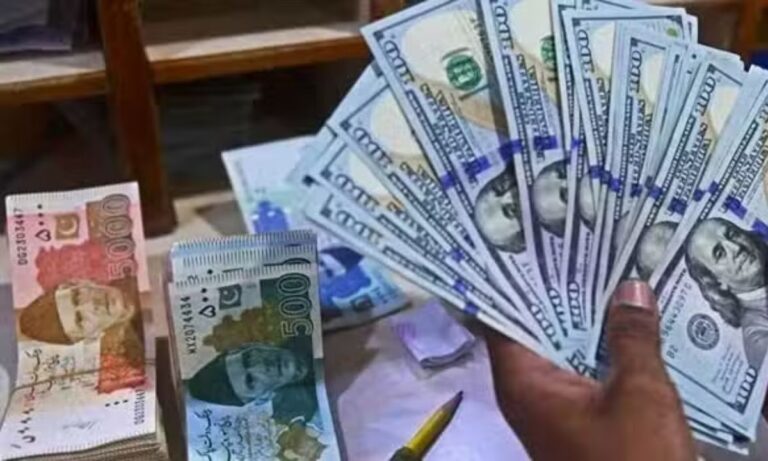
He noted that despite efforts over the last 36 months to stabilize the economy, the country has managed less than 2% aggregate growth, while the rupee has went from Rs160 to Rs280 per dollar and exports remain stuck at $30 billion.
Ejaz criticized the policy stance, pointing out that while China and India maintain policy rates below 5% — with real interest rates under 1% — Pakistan’s Monetary Policy Committee has kept its policy rate at a staggering 11%, choking businesses and pushing industries to the brink. “This is eroding industrial competitiveness, suppressing growth, and keeping the economy on a ventilator with no export expansion,” he warned.
Read More: Market Recovers as Investors Re-Enter
He added that the current policy mix is effectively throttling Pakistan’s manufacturing base at a time when regional economies are powering ahead with cheaper energy, lower taxes and business-friendly interest rates.
Ejaz urged the government to slash energy tariffs to 9 cents and cap taxation at a maximum slab of 20%, all within the next six months to match regional benchmarks.
He stressed that such adjustments would not only revive industrial competitiveness and unlock export growth but also slash government debt servicing by Rs3 trillion per year, easing pressure on Pakistan’s strained public finance.
Ejaz urged for slashing the benchmark interest rate to 6%, while claiming that lowering the interest rate alone could save the government Rs3 trillion annually in debt servicing. “The only path to sustainable recovery is to bring industrial costs in line with the region,” he stressed.