

Higher Electricity Costs Haunt Pakistan’s Poor
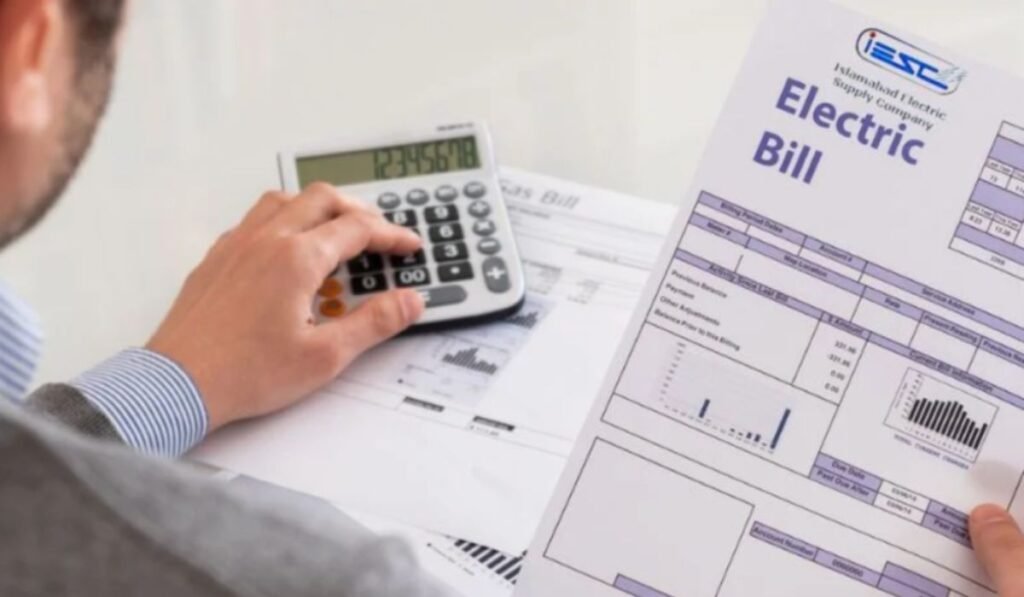
Electricity bills are no longer just pieces of paper; they are letters of terror that arrive every month, quickening the heartbeat of the poor.
They seal the peace of the home, causing a mother’s heart to tremble, instilling fear in the father’s eyes, and making the child stop the fan’s rotation.
These electricity bills have made life unbearable for the people, and if the bills go unpaid for several months, threats of disconnection follow. If those threats are realized, the poor will be left without a fan.
Without a functioning refrigerator, the insulin of elderly pensioners with diabetes will spoil. These bills raise the blood pressure of the elderly and increase their sugar levels. If the light bulbs don’t work, the flame of education for children will extinguish.
A laborer who wakes up at 5 AM, toils under the sun all day, and returns home exhausted, feels as if a stone has been placed on his chest when he sees the amount on his electricity bill. Here, the units of electricity are few, but the penalties are many.
The International Monetary Fund (IMF) has stated that the government should not pass the burden of electricity price changes onto low-income individuals.
During negotiations with Pakistani officials, it will be assessed whether the proposed tariff changes align with the program’s conditions and estimate the potential impacts on macroeconomic stability, including inflation.
The IMF understands that inflation has already broken the backs of the people in Pakistan. If electricity rates rise, the prices of bread, flour, milk, and transportation will also increase, leading to a rise in unemployment.
It is strange that even an institution like the IMF has said that the burden of changes in electricity rates should not fall on low-income individuals.
Read More: Govt Comes Under Fire over Solar Net Metering
The government must understand that these electricity bills are not just paper; they are the rope of endurance for the people.
This rope is being pulled tighter and tighter, and today, the electricity bill in Pakistan is a national tragedy. It is a tragedy that is extinguishing the flames of the poor’s kitchens, pulling children out of education, and depriving pensioners of their two meals a day.
If the government places the burden of electricity price changes on low-income individuals, it will not just be inflation; it will become economic oppression.
For a wealthy person, an electricity bill is merely an expense that can fluctuate, but for the poor, it has become a burden. This increased bill now stands as a torment against bread, medicine, and children’s school fees.
The low-income class is already suffering from the rising prices of flour, lentils, oil, and vegetables, and is crushed under the weight of rent, which has significantly increased over the past two to three years, along with school fees and medical expenses.
Those working in private jobs live in constant fear of being laid off, and salaries have stagnated for years. If electricity rates rise further, poverty will increase, unemployment will rise, and domestic life will fall deeper into crisis.
The government should at least provide relief to those consuming up to 400 units of electricity, as it has become essential for every poor person to use a refrigerator, which is now a necessity of life.
Many individuals suffer from diabetes, and most of them are prescribed insulin by doctors, which must be kept at low temperatures, making the use of a refrigerator essential.
In extreme heat, the poor should have the right to access cold water. If burdens must be placed, the government should target large groups of defaulters, begin tightening the noose around large networks of electricity thieves, and control unnecessary government expenditures.
The government must immediately minimize line losses, stop electricity theft, improve bill collection, and rectify the poor administrative system.
The government has continuously increased electricity prices either on its own or following the IMF’s advice, turning electricity bills into a torment for ordinary people. In other words, electricity bills are no longer just bills; they are the lifeblood of the entire economy.
Instead of addressing issues like theft, line losses, administrative incompetence, and other problems in the electricity sector, the government chooses the easy path, forcing the poor to stop the rotation of their fans even in the sweltering heat, lest their hearts race uncontrollably due to the fear of rising electricity bills each month.